
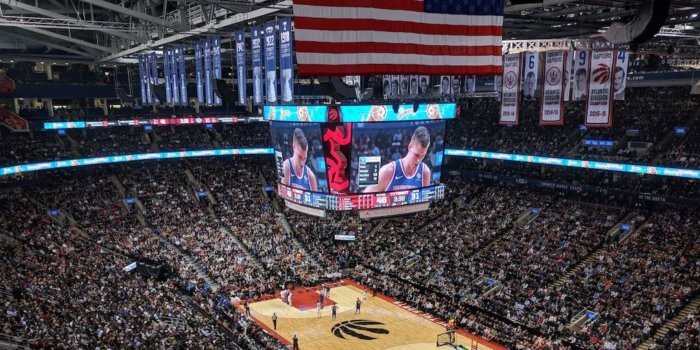
An NBA game typically takes about 2 to 2.5 hours to complete.
Ever wondered how long does an NBA game take? It’s a common question for new fans and those planning their evening around a game. The time can vary a bit, but understanding the average duration helps manage expectations.
Factors like overtime and television timeouts can extend the total time. However, you can generally expect a game to last a little over two hours. This makes scheduling around it relatively straightforward.

How Long Does an NBA Game Take?
So, you’re curious about how long an NBA game actually lasts? You’ve come to the right place! It’s not as simple as saying “two hours” because there’s a lot more to it than just the playing time. Let’s jump right in and break down all the factors that contribute to the total time of a basketball game.
The Basic Time: 48 Minutes of Play
The official playing time in a National Basketball Association (NBA) game is 48 minutes. This time is divided into four quarters, each lasting 12 minutes. Sounds straightforward, right? But, hold your horses! Those 48 minutes rarely fly by without any interruptions.
Why Games Run Longer Than 48 Minutes
Okay, we know the official play time is 48 minutes, but why do NBA games often take two to two and half hours to finish? Well, it’s because of all the pauses in the game. These pauses, or stoppages, can really add up. Let’s look at the different types of interruptions that happen during a typical NBA game:
Timeouts
Just like in many sports, timeouts play a key role in the overall duration of a game. These breaks allow teams to regroup, discuss strategies, and let their players catch their breath. Each team gets a set number of timeouts they can use throughout the game. These timeouts are usually 75 seconds long and sometimes shorter timeouts which are 20 seconds long. When both of the teams take timeouts, they can significantly add minutes to a game. A lot of timeouts can cause a game to last long, especially in the final quarters of a close game.
Halftime Break
Another big break in the game is halftime. After the second quarter is over, there’s a longer break to let both teams rest, and to give fans time to get food or visit the restroom. Halftime in NBA games is officially 15 minutes long. This is a scheduled break that always happens and significantly contributes to the overall time of the game. Halftime also allows the teams to make strategic adjustments.
Fouls and Free Throws
When a player commits a foul, the game pauses. If the foul occurs during a shot attempt or the team committing the foul is in the penalty, free throws are awarded. Each free throw takes some time, even though it’s a short delay. There can be many free throws in a game, especially as the game gets close and players try to draw fouls to get extra points. All these free throws add up and make the game longer.
Out-of-Bounds Plays
When the ball goes out of bounds, the game stops, and a referee has to award possession of the ball. While these breaks aren’t very long, these out-of-bounds stoppages can occur numerous times during the game and extend the length of the game. When a team throws the ball out of bounds they lose the possession.
Injuries
If a player gets injured during the game, the game stops so they can receive medical assistance. Depending on the severity of the injury, these breaks can sometimes be short, or last long which will cause delays. Player safety is always the top priority, so these stoppages are important. This is an unforeseen delay and can greatly affect the length of the game.
Instant Replay Reviews
With today’s technology, referees can use video replay to review specific calls. While this helps to ensure the right call is made, these replays cause the game to pause as the referees watch the footage and deliberate. The replay reviews can last for several minutes if needed. Although instant replay is crucial to maintaining fairness in the game, it can also extend the total time of the game.
Other Stoppages
There are other minor stoppages that may happen throughout a game such as: a ball deflating, or a change in player substitutions. Although these stops are small they happen several times throughout the course of the game and add up to total time. Even a small pause of 5-10 seconds can add up when it’s repeated multiple times.
Average Time of an NBA Game
Now that you know all the stoppages and pauses that make a game longer, let’s talk about the average length of an NBA game. While the official playing time is 48 minutes, the total game time is usually much longer because of all the stoppages. Most NBA games last between two to two and a half hours, with the average being around 2 hours and 15 minutes.
Factors that Affect Game Length
The length of an NBA game isn’t always the same. Several things can make a game run longer or shorter than average. Let’s take a look at these factors:
Close Games and High Foul Counts
Close games, particularly in the last few minutes, tend to last much longer. When games are very close towards the end of the fourth quarter, we can see more fouls that will lead to extra free throws and more timeouts to strategize. This increases the amount of stoppages, making the game’s duration longer.
Overtime
If the score is tied at the end of regulation, the game goes into overtime. An overtime period is an additional 5 minutes of play, which also includes all the usual stoppages such as time outs, free throws, and other interruptions that occur during play. Overtime can add between 10-20 minutes to the total game time. This means that a game with overtime will always be significantly longer than a game that ends in regulation time.
Fast-Paced Play
Sometimes the game flows very smoothly, with fewer fouls and out-of-bounds plays. Games with less fouls will go by much faster and be shorter than a game that contains high amounts of stoppages, timeouts, and fouls. Fast games mean less stoppages which makes the game end faster. The flow and pace of the game greatly influences the overall length of the game.
Playoff Games
NBA playoff games tend to have more delays than regular-season games. The stakes are much higher in the playoffs, which can lead to coaches using more timeouts to strategize. The intensity and significance of playoff games usually lead to more deliberate plays, fouls, and replay reviews. Because of this, the playoff games often run longer than regular season games.
Team Styles
The style of play a team uses can also affect how long the game lasts. Some teams play at a very quick pace, scoring quickly and not using a lot of clock. Other teams have a more methodical, slow style, using up more time on each possession. A team that plays with a slow pace can lead to longer games because they use all of the play clock. A team that plays with a fast pace will typically play a shorter game because of faster scoring and shorter possessions.
A Detailed Look at Game Timelines
To give you a better understanding, here’s a breakdown of what a typical NBA game timeline might look like:
Let’s say the game starts at 7:00 PM:
- 7:00 PM – 7:12 PM: First Quarter (12 minutes of play time with some breaks).
- 7:12 PM – 7:14 PM: Short break before the second quarter.
- 7:14 PM – 7:26 PM: Second Quarter (12 minutes of play time with some breaks).
- 7:26 PM – 7:41 PM: Halftime (15 minutes).
- 7:41 PM – 7:53 PM: Third Quarter (12 minutes of play time with some breaks).
- 7:53 PM – 7:55 PM: Short break before the fourth quarter.
- 7:55 PM – 8:07 PM: Fourth Quarter (12 minutes of play time with some breaks).
So, even though the official game time is 48 minutes, all the breaks, timeouts, and stoppages could lead to the game lasting till 9:15 PM or sometimes even later in some cases. This example also doesn’t include the overtime scenarios which can add more time to the game, increasing the total time.
How to Plan Your Viewing
Now that you have a better understanding of how long NBA games take, you can be prepared when planning to watch a game. Remember these tips:
- Plan for at least two and a half hours: This will give you plenty of time to enjoy the game, even if it goes longer than average.
- Factor in travel time if you are attending the game at the arena. This will make sure you arrive on time.
- If you are watching on TV, know that some networks run post-game shows that go for another half-hour.
- Be ready for surprises. Overtime games and close contests can always increase the total watch time.
By knowing how long a game usually lasts, you’ll be ready to settle in and enjoy the exciting action of NBA basketball without worrying about the time.
So, the next time you tune in to watch your favorite team, remember that while the game is 48 minutes of play time, the overall experience will generally last for two to two and a half hours. Be ready for the stoppages and remember that every game is unique.
Stephen A. is CONCERNED about his Knicks after 3-straight LOSSES 😳 'I'M FEARFUL!' | First Take
Final Thoughts
An NBA game typically lasts about two to two and a half hours. This includes the four 12-minute quarters and the various stoppages for timeouts, fouls, and halftime. The actual game time, without breaks, is 48 minutes.
Overtime periods, when required, add extra time to the overall duration. So, when asking “how long does an nba game take,” remember that the 2.5 hour estimate can fluctuate.
Ultimately, scheduling around the standard 2-2.5 hour game length is a good general approach.

