
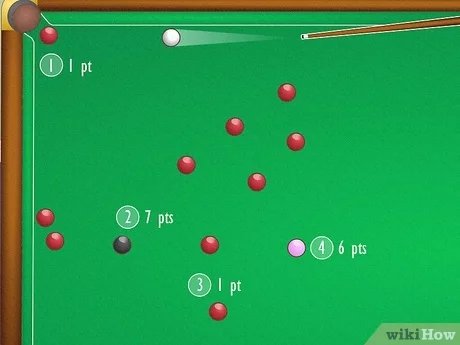
A snooker game can last anywhere from 30 minutes to several hours, depending on the skill level of the players and the number of frames played.
Ever wondered about the time commitment when settling in to watch or play a game of snooker? It’s a common question, and figuring out exactly how long does snooker game last isn’t always straightforward. The duration varies quite a bit.
Factors influencing the length include player expertise, the number of frames agreed upon, and even how the match unfolds. A quick game between novices might wrap up faster than a professional encounter. So, it’s not a simple number.

How Long Does a Snooker Game Last?
Figuring out how long a snooker game lasts isn’t as simple as looking at a clock. It’s not like a basketball game with clear quarters or a soccer match with two halves. Snooker’s length is much more variable and depends on a lot of different factors. Think of it like this: sometimes a snooker match can be a quick sprint, and other times, it’s a marathon! Let’s dive into what affects how long a snooker game can take.
Understanding the Basics of a Snooker Frame
Before we talk about game lengths, it’s really important to understand what a ‘frame’ is. In snooker, a frame is like one single round or game within the overall match. It starts with all the balls set up on the table, and it ends when all the colored balls have been potted (sunk), or when one player gets so far ahead that the other cannot possibly win that frame. A full snooker match is made up of many frames. So, the total match time depends on how long each individual frame takes and how many frames are in the match.
Factors Affecting the Duration of a Single Frame
Several things can make a single frame of snooker go by quickly or take a long time:
- Player Skill: Skilled players who pot balls easily will finish frames faster. They tend to make fewer mistakes and are better at getting into positions to pot the next ball. When players are very good, they can often clear the table in one go, making the frame very quick.
- Tactical Play: Sometimes, players choose to play strategically, not always going for the most obvious shot. They might play a “safety shot” which makes it hard for the other player to pot a ball, aiming to control the game instead of winning the frame quickly. This can slow things down. If two players are both very good at safety play the frame can become a long slow back and forth.
- Missed Shots: A missed shot can completely change the flow of a frame. If players keep missing, they keep having to pass the turn to their opponent. Each missed shot increases the amount of time a frame takes.
- The Difficulty of the Balls’ Positions: Sometimes the balls end up in tricky positions. If the balls are clustered together, or near the cushions (the sides of the table), it makes it harder to pot them and can make the frame last longer.
- The Number of Reds Remaining: At the start of the frame, there are 15 red balls. These are the most important to pot because you have to pot a red before you can pot a color. Generally, the more reds left on the table the longer the frame will probably take. When all the reds are gone the frame tends to go a lot quicker.
- Safety Play If both players are employing safety play regularly the frame can drag out to a considerable length, sometimes up to an hour, however, this type of frame is rare.
Match Lengths and Time Expectations
Now let’s look at how these individual frames add up to the total match time. How long a snooker match takes depends on a few things:
Different Match Formats
Snooker matches come in different formats, which largely determine their length. Here are a few common examples:
- Best-of-7 Frames: In this format, the first player to win four frames wins the match. This is a shorter format, typically used in the early rounds of tournaments or in smaller matches.
- Best-of-9 Frames: The first player to win five frames wins the match. This format is a little longer than a best of 7 match.
- Best-of-11 Frames: Here, the first player to win six frames wins. This format is quite common in various tournaments.
- Best-of-17 Frames: The first player to win 9 frames wins this match. These can be found in professional tournaments.
- Longer Matches (Best-of-19, 25, 35): These longer matches are typically used in the latter stages of major tournaments like the World Snooker Championship. They can take several hours or even days to complete! Matches can be split into multiple sessions. For example, a best of 25 match will usually be split into three sessions over two days, or more depending on how long each session runs.
Time Estimates for Different Match Lengths
While it’s difficult to give exact times, here’s a rough idea of how long matches of different lengths usually take:
- Best-of-7 Frames: A best of 7 frames match might take anywhere from 1 hour to 2.5 hours. If the frames are all won by one player, it can be even shorter.
- Best-of-9 Frames: These usually range from about 1.5 hours to 3 hours.
- Best-of-11 Frames: You can expect these matches to last from 2 hours to 4 hours.
- Best-of-17 Frames: These longer matches can easily take 3.5 to 6 hours, or even longer if the frames go on for long periods of time.
- Longer Matches (Best-of-19, 25, 35): Matches like these can take an extended amount of time, some reaching 8 hours or more, often spreading over multiple sessions and multiple days.
Factors Beyond the Game Itself
Remember, these time estimates are just that—estimates. Other things can also impact how long a match takes:
- Breaks Between Frames: Players have short breaks between frames, giving them time to prepare for the next frame. These breaks do add time to a match.
- Referee Interactions: Sometimes the referee has to step in to resolve an issue or re-spot a ball, which can delay the game.
- The Pace of Play: Some players play at a slower, more deliberate pace, while others are quicker. This affects the speed at which the match progresses.
- Player concentration levels: If a player gets tired or loses focus the play can become slower and take longer.
Looking at the Time per Frame
Let’s dig into how long a typical single frame might last. There is a huge amount of variability, but it helps to get an idea of potential durations.
Typical Frame Durations
The average time for a single frame in a professional snooker match is around 15 to 25 minutes. However, this can vary greatly. Some frames can be over quickly, maybe in 5-10 minutes, while others can take over 40 minutes or even longer. A frame can last over an hour if the game is tight and there are safety shots played.
Quick Frames
Quick frames often happen when one player is having a very good run of potting and keeps getting opportunities. This can be because of one player’s good potting or because the other player has missed and allowed a scoring chance.
Longer Frames
Longer frames usually happen when the players are both playing a cautious game, missing shots and playing lots of safety shots. When a game is close, this is often the case, with both players trying to play the very best shot every time, this can slow the frame down considerably.
Record Breaking Frames
There have been some record-breaking long frames in professional snooker. Sometimes the record is for the longest frame in terms of time, but sometimes it is in terms of the number of shots played in a frame. In 2017, the longest frame in time took over one hour and fifteen minutes. In 2015 a frame had 101 shots played in it. These are rare and most frames are over much quicker. This shows just how varied and unpredictable a single snooker frame can be.
How to Track the Time
If you are watching a match at home, you will often see the length of a frame and match displayed on the screen. If you are attending a match in person, it can be difficult to track the timings precisely, you may have to do it yourself with a watch if you are curious.
Watching Live
When you watch snooker on TV, you will usually see a clock on the screen. This keeps track of the time the match has been running for and the length of each frame. It can be helpful to see the different frame durations.
Watching in Person
If you are watching a match in person, you may want to track how long a frame is taking if you are curious. The timings will not be displayed but you can track it yourself with a watch if you like.
Why the Variation in Timing?
So, why is it that snooker games can last for such different lengths of time? It all comes down to the many different factors that impact how each frame plays out.
The Unpredictability of Snooker
Unlike many other sports, snooker doesn’t have a set time limit. The length of a match is determined by the number of frames it takes for a player to reach a certain number of wins. This makes each match unique and sometimes quite unpredictable. It can also be part of what makes the sport so interesting to watch.
The Combination of Skill and Tactics
The amount of time a match takes is a combination of player skill, the luck of the ball positions, safety play, and the strategies the players use. Some players prefer an attacking style, trying to pot every ball they can. Others like a more tactical approach, focusing on safety and creating difficult situations for their opponent. These styles affect how long the game lasts.
The Flow of the Game
Snooker frames can have very different flows. Sometimes it’s a fast-paced attack, with one player potting every ball they can see. Other times, it’s a slow, drawn-out battle with missed shots and lots of safety plays. This makes it hard to predict how long a game will take.
The Rules of Snooker – EXPLAINED!
Final Thoughts
A single snooker frame typically takes between 15 to 45 minutes to complete. The total match time varies greatly. It depends on the number of frames needed to win.
Therefore, a best-of-seven match could last around 2 to 3 hours, while longer matches obviously take more time. How long does snooker game last? The answer is, it really does vary.

