
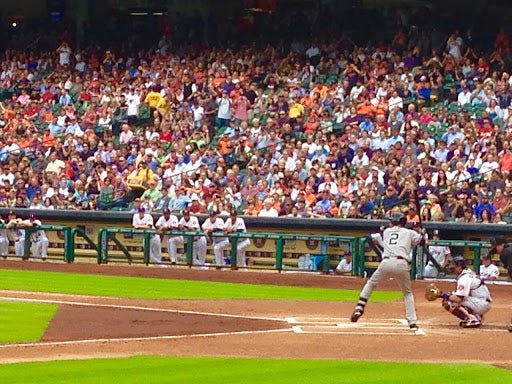
A softball game typically lasts around 7 innings, which generally takes about 1.5 to 2 hours to complete.
Ever wondered how long does a softball game last? It’s a common question for both new fans and players. Game duration isn’t always set in stone, things can happen to change it.
Factors like extra innings or pitching changes contribute to variations. So, while a standard game is seven innings, be prepared for a little extra time just in case!

How Long Does a Softball Game Last?
So, you’re curious about how long a softball game lasts? It’s a great question, and the answer isn’t always a simple one. Unlike some sports with a set clock, softball game length can vary. It depends on a few things, like the age of the players and the rules being followed. Let’s dig into all the details to understand just how long you can expect to be cheering from the stands (or playing on the field!).
Understanding the Basics: Innings and Outs
The foundation of a softball game is built on innings. Think of an inning like a mini-game within the larger game. In each inning, both teams get a turn to bat and try to score runs. An inning ends when each team has made three outs. So, what exactly is an “out”? An out happens when a batter:
- Strikes out (misses three pitches)
- Is caught out (a batted ball is caught in the air before it hits the ground)
- Is tagged out (a runner is touched by a player holding the ball before reaching a base)
- Is forced out (a runner is forced to advance to the next base and doesn’t get there before the ball)
Understanding these basics is key to grasping how a softball game unfolds and how long it’s likely to last. The number of innings played is the first big factor that impacts total game time.
Different Softball Levels, Different Game Lengths
Softball isn’t a one-size-fits-all sport. The rules and length of games often change based on the age and skill level of the players. Here’s a closer look at how game length differs across various levels:
Youth Softball (Little League and Younger)
When we talk about younger players, like those in Little League or similar programs, things are generally quicker. Why? Because keeping their attention focused can be a bit tricky. These games often focus more on learning the fundamentals and having fun than adhering to strict time limits. Typically, youth softball games might be:
- 6 innings long, which is very common
- Sometimes, they might even use a time limit, such as 1 hour 30 minutes. If time expires before all innings are finished, the game will end at that point with a winner declared using the last completed inning.
- Shorter innings if there is a large scoring gap between the two teams. A “Mercy Rule,” which will end the game early if a team is winning by a large margin.
So, you might expect to see a game lasting anywhere from 1 hour to 2 hours for these younger leagues, based on above factors.
High School Softball
As players move into high school, the game becomes more structured and strategic. High school softball games are usually:
- 7 innings long
- No time limits, the game plays out the whole 7 innings, unless a mercy rule is enforced or weather delays occur
However, even at the high school level, the actual duration of a game can still differ. For example, if a game is really close, with both teams scoring a lot of runs, it might take longer for all the innings to be played. Some high-scoring games can last up to 2.5 hours, but a typical game might be around 1.5 to 2 hours.
College and Professional Softball
At the highest levels of softball, college and professional games are played with the utmost intensity and the greatest number of innings. Like high school games, college and professional softball games are:
- 7 innings long.
- No time limits.
These games can be the most lengthy, often averaging around 2 to 3 hours. Close games, with many hits and runs, often extend even longer because the game can go to extra innings to break a tie. The key difference you will notice from the younger age groups is in pace and the skill level of the athletes, which often leads to more time spent per inning.
Factors that Can Affect Game Length
Even though we have an idea of the standard game lengths, many things can cause the game to go longer, or even shorter. Here’s a breakdown of some key factors that influence the time it takes to complete a game:
The Pace of Play
How quickly the game moves along can greatly impact the overall game length. Here are a few things that influence pace:
- Pitching speed: Pitchers who work quickly can help speed up games. Slower pitchers will usually make each inning longer and the game itself longer as a result.
- Hitting efficiency: If a lot of players get on base and score, it will make the game last longer. Conversely, if the hitters make outs quickly the innings will progress faster.
- Defensive prowess: When a defense makes errors and allows runners on base or allows scoring plays, this will increase game time.
Mercy Rules
To prevent games from becoming too one-sided and to protect the morale of the losing team, many leagues use “mercy rules.” These rules end the game early if one team has a large lead. For example, a game might end if one team leads by 10 runs after 5 innings. The exact rules can vary depending on the league or tournament. Mercy rules can dramatically shorten game times when one team is significantly better than another.
Extra Innings
If a game is tied after all the regular innings have been played, the game will proceed to extra innings to determine a winner. Extra innings can make the game much longer. Some leagues or tournament will employ a tie-breaker rule that will help end games quickly, but in most cases an extra inning(s) will be played to break the tie. How long does this add to the game? There is no set limit for extra innings in a regular season game, it will continue until one team wins. In a tournament, however, they may have a rule for ending games if it goes longer than a certain amount of extra innings.
Weather Delays
Unfortunately, weather can play a big role in how long a softball game lasts. Rain delays are very common and can drastically impact the length of the game. If the field gets too wet, play has to stop. Sometimes, the game might be paused for a short time, but if the rain continues, it could even be postponed to another day. Other weather such as extreme heat, strong winds, or even snow can result in delayed games.
Injuries
Injuries to players are another unpredictable factor. If a player is hurt, it can cause a pause in the game while they get medical attention. Sometimes, it can be a quick pause while they are checked by the coach or trainer, but more serious injuries may require an ambulance or a visit to the emergency room, which can lengthen the game or stop it altogether.
Disagreements
While not as frequent, disagreements and arguments can also add extra time to a game. These disagreements can be with a coach, an umpire, or another player. Usually they are resolved quickly, but if a disagreement gets serious or heated the game may be paused for a period of time.
Time Limits: A Twist in the Game
While most softball games use the innings system, some leagues, especially at the younger levels, will use time limits instead, or in addition to innings. So how do time limits work? If a game has a 1 hour and 45 minute time limit, the game is stopped once that time is reached, regardless of how many innings have been played. Many leagues use time limits in order to allow for more games to be played on a field each day, and help keep the schedules on track.
Tips for Estimating Game Duration
While exact game length can be hard to predict, here are some helpful things to keep in mind:
- Check the level: Knowing if it’s a youth, high school, college, or professional game is crucial.
- Review league rules: Each league may have specific rules or guidelines about game length, time limits, or mercy rules.
- Pay attention to the flow: Watching the game you’ll be able to see if the pace is fast or slow.
- Be flexible: Remember that sometimes things just happen and a game can get delayed, be prepared for unexpected delays.
So, while it’s difficult to predict the exact amount of time any particular softball game will last, you can be prepared with knowledge of common game lengths, the rules for that particular league, and by having an understanding of the factors that can make a game last longer. Remember, enjoying the excitement of the game is what matters most!
The Rules of Softball – EXPLAINED!
Final Thoughts
The typical softball game lasts around seven innings. However, the actual duration can vary depending on factors like scoring and pitching changes. A game might finish quicker if one team dominates.
Also, extra innings can extend the game’s length. Weather delays also affect how long does softball game last. Therefore, planning for a flexible timeframe is important when attending or playing.

