
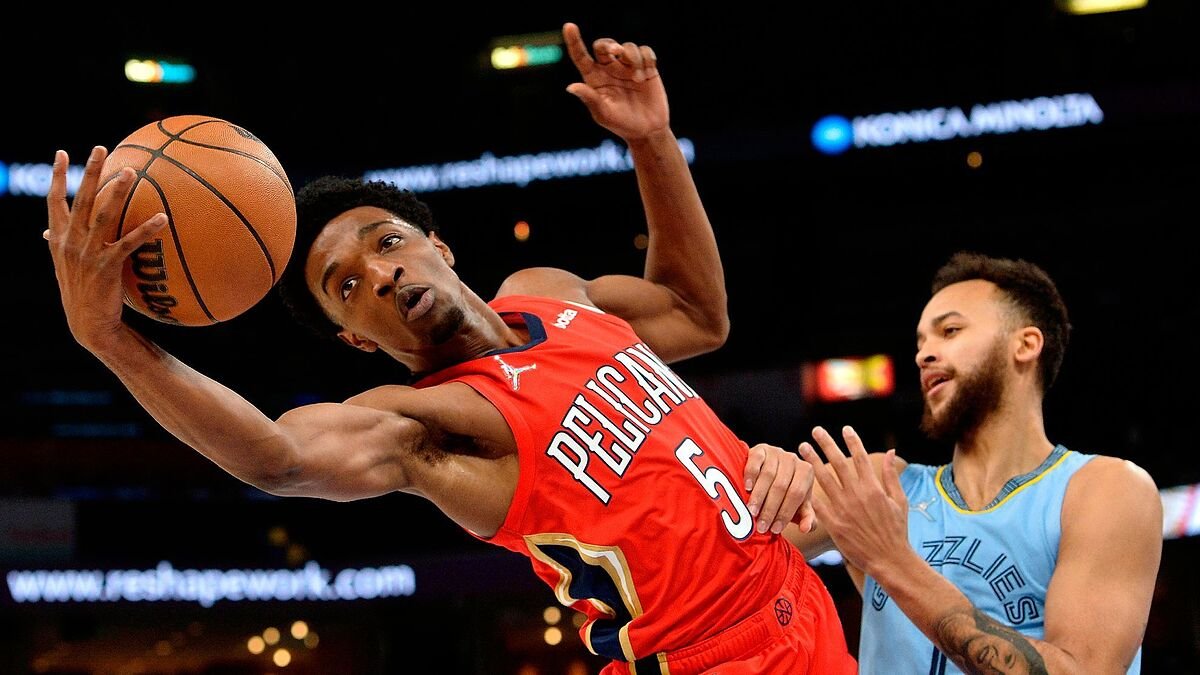
A standard basketball game lasts 48 minutes, divided into four 12-minute quarters.
Have you ever wondered, how long does the basketball game last? It’s a common question for new fans and even those who’ve watched a few games. Knowing the game’s duration helps you plan your viewing time.
The clock is essential to the sport. Understanding the timing of each quarter is important. This keeps the game structured and exciting for everyone.

How Long Does a Basketball Game Last?
Ever wondered how long you’ll be cheering on your favorite team, or how long you’ll be playing yourself? The length of a basketball game isn’t just one simple answer. It changes depending on the level of play. From little league to the pros, the game clock and rules can vary, so let’s break down the different timing rules and factors that affect how long a basketball game really lasts.
Understanding Game Time: The Basics
The first thing to know is that the game time you see on the scoreboard isn’t the total time you’ll be at the court. That’s because in basketball, the clock stops at certain times. The official game time is just the amount of time the ball is actually in play.
- The clock stops when a foul is called.
- The clock stops when the ball goes out of bounds.
- The clock stops during timeouts.
- The clock stops between quarters or halves.
These stops can add a good bit of time to the total duration of a game. So, while a game might say 48 minutes on the clock, the actual time spent at the game will be much more.
Game Lengths by Level of Play
Let’s see how the clock changes from different levels of play. Here’s how long the official playing time is for different basketball levels:
Professional Basketball: The NBA
The National Basketball Association (NBA), the highest professional basketball league in the United States, uses a standard of four 12-minute quarters. This results in a total of 48 minutes of playing time. The game’s structure is divided into four quarters of 12 minutes each. There’s a 15 minute break between the second and third quarters (halftime), and shorter breaks between the first and second and third and fourth quarters.
However, don’t be fooled! Due to timeouts, fouls, and other stoppages, an NBA game usually lasts about 2 to 2.5 hours. TV broadcasts also contribute to this extra time as they include commentary, replays, and commercials.
Here’s a summary of NBA game time:
- Four 12-minute quarters
- Total of 48 minutes playing time
- Halftime break: 15 minutes
- Average game time: 2 to 2.5 hours
When you’re watching an NBA game on TV, remember that those commercial breaks are part of why the game seems so long. When you are at a game in person, you will notice that the stoppages are a big factor of why games last longer than the actual playing time.
College Basketball: NCAA
In college basketball, governed by the National Collegiate Athletic Association (NCAA), the structure is different from the NBA. Instead of four quarters, NCAA games have two 20-minute halves. This totals 40 minutes of official game time. There is a halftime break, which is typically around 15 minutes. There are also media timeouts, which will add to the total time of the game.
NCAA games usually last around 2 to 2.5 hours, similar to the NBA due to stoppages. This is influenced by fouls, timeouts, and official reviews. The game seems shorter in playing time, but the overall time is longer due to these breaks.
Let’s summarize the NCAA structure:
- Two 20-minute halves
- Total of 40 minutes playing time
- Halftime break: 15 minutes (approximately)
- Average game time: 2 to 2.5 hours
When you’re watching your favorite college team, remember that the game time is a little shorter than the pros, but the total time commitment is still similar. The biggest difference between the NBA and the NCAA in terms of game length is just the playing time itself, because the other factors are similar.
High School Basketball
High school basketball games have slightly shorter playing times. Most high schools play four 8-minute quarters, totaling 32 minutes of playing time. Some high schools may play 6-minute quarters, which would result in 24 minutes of playing time. The total duration, including breaks, is usually about 1.5 to 2 hours long.
The actual duration can vary due to regional or state rules. High school games often have less stoppage time than higher levels of play. However, timeouts, fouls, and halftime do add to the total game time. These timeouts are often shorter than the ones in college and NBA levels of play.
Here’s a quick breakdown of a typical high school game:
- Four 8-minute quarters
- Total of 32 minutes playing time
- Halftime break: 10-15 minutes
- Average game time: 1.5 to 2 hours
High school basketball games are often a good way to get a good basketball experience without the full 2 to 2.5 hours that you might have to give to the other levels of play.
Youth and Recreational Basketball
Youth and recreational basketball games have the shortest official playing times. These games are often designed to be fun and accessible for younger or less experienced players. The rules can vary greatly depending on the league, the age group, and location.
Typically, these games have four quarters lasting between 6 to 8 minutes each, often with a halftime in the middle. That results in about 24 to 32 minutes of playing time. The games can take between 1 to 1.5 hours total.
Here is a typical breakdown of youth basketball:
- Four 6-8 minute quarters
- Total of 24-32 minutes of playing time
- Halftime Break: 5-10 minutes
- Average total game length: 1 to 1.5 hours
These games often have a focus on participation and development, so the stoppages may be less frequent than higher levels of play. Some youth leagues use running clocks, which means the clock only stops on timeouts or injuries. This is to make sure that games are quicker, and the kids can focus on playing. Some leagues will have shorter games, depending on the rules of the league or association.
Factors Affecting Game Duration
While the standard times for game levels are a good baseline, other factors affect the actual length of any given basketball game. These are important to consider if you’re trying to estimate how long you’ll be at a game or when you’ll be able to leave.
Timeouts
Timeouts are a big factor in why the total game time is much longer than the playing time. Each team gets a limited number of timeouts, which they can use to strategize, give players a break, or stop momentum. The number and length of timeouts vary by level. In the NBA, each team gets seven timeouts. In the NCAA, each team gets five, with a couple of media timeouts in each half. High schools and youth leagues also have rules on timeouts.
Timeouts add to the total length of a game, as the clock stops during them. These timeouts can last between 1-2 minutes for the most part. The media timeouts can be a little longer in college games and professional basketball games. Timeouts are not only necessary for the game, but they are also needed to add to the length of the game so that it lasts longer.
Fouls and Free Throws
Every time a foul happens, the clock stops. If the foul is a shooting foul, the player who was fouled will shoot free throws, which also adds time to the game. The number of fouls a team commits, and the number of free throws, directly influence the game length. The more fouls, the more free throws, and the more time added to the game. A game with a lot of foul calls and free throws tends to take longer than a game with few fouls and free throws.
Overtime
If a game ends in a tie, it goes into overtime. The length of overtime periods varies by level. In the NBA, each overtime period is 5 minutes. In college, overtime periods are also 5 minutes. In high school games, the overtime period is often 3 to 4 minutes long. Overtime periods can add a lot of time to the game length. Games that go into multiple overtime periods can become very long.
Here’s a summary of overtime lengths at different levels of basketball:
- NBA: 5-minute overtime periods
- NCAA: 5-minute overtime periods
- High school: Usually 3-4 minute overtime periods
Injuries
When a player gets injured, the game clock stops, and the game is paused until the player is checked on or taken out of the game. While the length of time for an injury stoppage is hard to predict, it does affect how long the basketball game will last. The severity of an injury will dictate how long the game is stopped for.
Replay Reviews
At the professional and college levels, officials sometimes use instant replay to review certain plays, like buzzer-beaters or fouls. Replay reviews do add to the total game time, but it is an important feature of the game because it ensures the calls are as accurate as possible. The time spent reviewing a play can vary, but it does make the game a little longer.
Other Factors
Several other minor factors can contribute to the overall duration of a basketball game, including:
- Clock issues and technical errors
- Half-time show performances
- Ceremonies or presentations
While these delays are less common, they still play a role in how long you’ll be sitting at a basketball game.
Understanding the Clock
It can be difficult to track the time with all the stops and starts in basketball. Knowing how the game clock works can make it easier to understand why games have such a big range of time. Here are some key elements of the basketball clock:
The Shot Clock
The shot clock is a rule that enforces teams to shoot the ball within a certain amount of time (24 seconds in the NBA, 30 seconds in the NCAA), after they gain possession of the ball. If a team does not shoot the ball within that time, then the team loses possession of the ball. The shot clock prevents a team from holding the ball for too long, which speeds up the game and makes for more exciting moments. When the shot clock expires, it results in the clock being stopped and the ball going to the other team. This adds to the total duration of the game.
Clock Management
The concept of clock management is crucial to the game of basketball. Teams often try to slow down the game at the end if they are in the lead or try to score quickly if they are behind in the game. The more a team tries to manage the clock, the more the game can be extended. Clock management adds to the duration of a game, and it is not always in the control of the officials. Clock management can be crucial to who wins or loses in the game of basketball.
End of Quarter or Half
When a quarter or half ends, there is a short break for the teams to switch sides or take a rest. While this does add to the time of the game, it is necessary for the game to run smoothly. The time in between these periods may range from 1 minute to 15 minutes, depending on the level of play.
So, while the official playing time of a basketball game varies from 24 minutes to 48 minutes, depending on the level of play, the actual time you’ll spend at a game is usually much longer. This is due to timeouts, fouls, breaks between quarters and halves, and other stoppages. If you are heading to a game, be prepared to be there for between 1-3 hours for the most part, depending on the level of the game. Understanding the nuances of a basketball clock will ensure you are not only cheering for your team, but you also know the ins and outs of the game.
How long is a basketball game?
Final Thoughts
Typically, a standard basketball game lasts for 48 minutes, divided into four 12-minute quarters, in professional leagues like the NBA. However, high school games and other leagues might have shorter quarters. The clock also stops frequently for fouls and out-of-bounds plays.
Overtime periods happen if the game is tied, and these add extra time to the overall duration of a game. So, how long does the basketball game last? It really varies depending on the league rules and if there are any overtime periods.

