
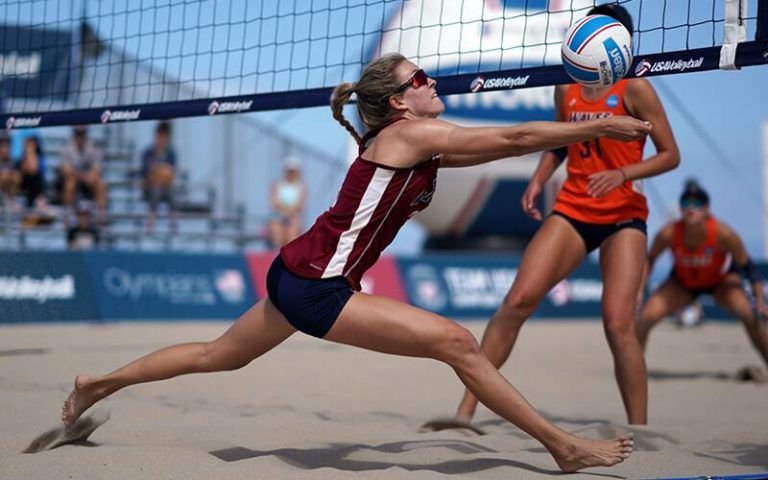
A volleyball game typically lasts between 60 and 90 minutes, though this can vary depending on the number of sets played.
Ever wondered how much time to set aside for a volleyball match? Figuring out how long does a volleyball game last is crucial for planning your day, whether you’re a player or a spectator.
Games aren’t set to a specific clock, instead they depend on scoring. This means a quick game can finish in under an hour, while longer ones can stretch out.

How Long Does a Volleyball Game Last?
Volleyball is a super fun sport to play and watch! You might wonder, just how long does a volleyball game last? Well, the answer isn’t always simple. It depends on a few things, like what level of play it is and how many sets are needed to win. Let’s dig in and explore all the details about volleyball game length.
Understanding Volleyball Sets and Points
Before we talk about time, we need to understand how volleyball games are scored. A volleyball match is made up of sets, and each set is played to a certain number of points. Most of the time, a team has to win a majority of these sets to win the entire match. This means that depending on the number of set a match can vary a lot.
Standard Scoring in Volleyball
Most volleyball games use something called rally scoring. This means a point is awarded on each play, whether the team serving or receiving wins the rally. In standard volleyball play, a team usually needs to reach 25 points to win a set, and they have to win by at least two points. This “win by two” rule can sometimes make sets go on a little longer. If the score becomes 24-24, the set continues until a team leads by two points (e.g. 26-24, 27-25, etc.).
- Rally Scoring: Point awarded on every play.
- Points per Set: Usually 25 points to win, must win by two.
- Advantage Rule: Win by two-point difference
How Many Sets in a Volleyball Match?
The number of sets in a match varies based on the level and type of competition. It’s the main thing that impacts how long a game lasts.
- High School and College Volleyball: Typically, matches are best-of-five sets. This means the first team to win three sets wins the match.
- Professional Volleyball: Many professional leagues use the best-of-five system too.
- Recreational Volleyball: Some recreational leagues or pickup games might play best-of-three sets. The first team to win two sets wins the match.
So it’s not like basketball where you have a time limit and game ends. Here it depends on how many sets the match is about.
Factors Affecting Volleyball Game Length
Several factors can make a volleyball game shorter or longer. Let’s look at some of the common ones:
Level of Play
The skill level of the players can heavily influence game length. Games at higher competitive levels often involve longer rallies with lots of back-and-forth play. These matches tend to take more time than games played at the elementary level or recreational level.
Number of Time-outs
Teams can use time-outs to plan their strategies or take a breather. The number of time-outs each team has and how they use them can add to the game’s length. Time-outs are not a lot, but they do add a minute or two.
- Number of Time-outs: Affects the game length.
- Tactical Time-outs: To plan strategy.
Number of Sets
As mentioned earlier, the number of sets a match plays directly impacts its total duration. A best-of-three match will always be shorter than a best-of-five match, assuming all other factors are equal.
Rally Length
If the rallies are long, with lots of back-and-forth plays, the game will take more time. On the other hand, if rallies are short and a team wins points quickly, then the sets can be over faster.
Number of Substitutions
Players substitutions are allowed in volleyball. Each change also adds a small amount of time. In matches where the teams have a lot of substitutions, it adds time to the match.
Referee and Official Decisions
Sometimes, referees need to make calls that take a bit of time. Reviewing a play might add to the length of the game.
Average Game Times Based on Level
Let’s take a look at some typical times for volleyball matches at different levels. Keep in mind that these are averages, and actual game times can vary.
Elementary School Volleyball
Elementary school games are usually the quickest. Often, they are best-of-three matches, and the players are still learning the ropes.
An average elementary school game can last anywhere from 30 to 60 minutes.
- Average Time: 30-60 minutes.
- Number of Sets: Usually Best-of-three.
High School Volleyball
High school matches are more competitive and typically best-of-five. These games usually take longer, especially if it goes to five sets.
- Average Time: 1.5 to 2.5 hours.
- Number of Sets: Typically Best-of-five.
- Longer Rallies: More competitive rallies can extend the game time.
College Volleyball
College matches are very intense and require lots of skill and strategy. Like Highschool they are also best-of-five matches, but due to higher competitiveness they often go on longer.
- Average Time: 2 to 3 hours.
- Number of Sets: Best-of-five.
- Higher Intensity: Leads to longer games.
Professional Volleyball
Professional volleyball has the longest matches, often lasting well over two hours. The level of competition is very high and requires many rallies.
- Average Time: 2.5 to 3.5 hours or longer.
- Number of Sets: Best-of-five.
- Top Level Competition: Leads to longer games.
Recreational Volleyball
Recreational matches can vary widely in length. Some might play a casual best-of-three match, while others might play a longer one.
An average recreational match can range from 45 minutes to 1.5 hours.
- Average Time: 45 minutes to 1.5 hours.
- Flexible Rules: Can be Best-of-three or best-of-five.
What to Expect During a Volleyball Match
Beyond just the time the match takes, there are other things to consider when planning your attendance at a game. Here are some tips.
Warm-up Time
Before the official start of the match, teams usually take a warm-up. This can take around 20-30 minutes. If you go to the game early, you can watch the team’s warm-up process.
Breaks Between Sets
There are short breaks between sets. These breaks allows for players to catch their breath and adjust their strategy for the next set. They are usually just a few minutes long.
Game Flow
Volleyball has a flow, and it can change rapidly. The game can go very quickly with short points and sudden change in leads or it can have slow flow with longer rallies.
Best time to arrive at game
If you are going to watch a game, it is a good idea to be there a bit early. It will give you a chance to get familiar with the area, find your seats, and watch the team’s warm-up. It also gives you time to relax and maybe get a quick snack or drink before the game officially starts.
Ways to Pass Time During a Long Game
Volleyball matches can last a while, so if you’re there to watch, you might need something to keep you engaged during longer periods. Here are a few ideas:
- Talk to friends or family: If you go with others, it’s always good to chat with them during time outs.
- Watch the crowd: Observe the reactions of other fans, it can be fun to see their excitement.
- Study the players: Notice their different playing styles.
- Get a snack or drink: Use the time to grab some refreshments.
- Listen to music(if appropriate): Use headphones to listen to music on your device.
Understanding Time-Outs and Their Impact
Time-outs are an important aspect of volleyball, and they do affect the overall duration of a match. Here’s a closer look at how they work:
Time-out Rules
Each team gets a limited number of time-outs per set. Usually they are short, about 30-60 seconds. Coaches use these time-outs to give their players a chance to rest, plan tactics, or break the other team’s momentum. The game stops for a brief time to plan, so it adds up to the total time of the match.
- Limited Number: Each team gets a few timeouts per set.
- Short Duration: Timeouts are usually about 30-60 seconds.
- Purpose: To rest, plan tactics, or break the other team’s momentum.
How Time-Outs Impact Game Length
While each time-out is short, they can add a significant amount of time to the game when added together. Strategic time-outs, especially at crucial points in the game, can extend the set.
Understanding how long a volleyball game lasts helps you to enjoy it better, whether you’re playing or watching. So, the next time you hear the whistle blow, you’ll have a better idea of how long the game may go on.
Knowing these things makes the game more fun for everyone!
Volleyball game length can be influenced by various factors such as the number of sets, the level of play, and even the type of game (recreational vs competitive). Typically, games can range from 30 minutes to over 3 hours, depending on these variables. Understanding these factors can help athletes, spectators, and coaches prepare for games effectively.
This volleyball save was amazing! 😱🏐 #shorts
Final Thoughts
Generally, a volleyball game lasts between 60 and 90 minutes. The total time varies depending on the number of sets played. A match goes up to 3 or 5 sets, impacting the duration.
Each set typically takes 20-30 minutes to complete. Breaks between sets also add to the overall time. Therefore, how long does volleyball game last depends on these factors.

