
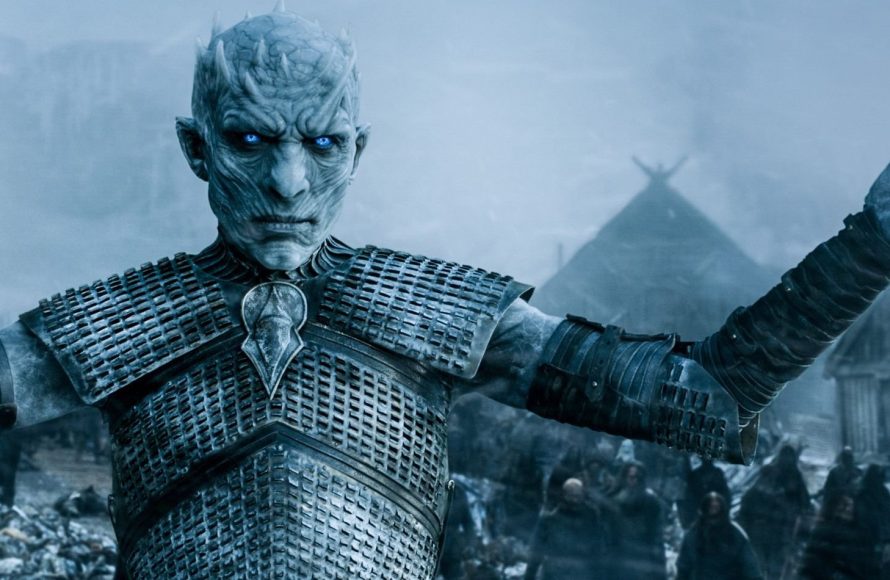
The winters in Game of Thrones do not have a fixed duration; they can last for years, even decades, making it unpredictable.
The chill winds of Westeros carry more than just cold air; they carry the weight of the unknown. One of the biggest unknowns for the characters, and for us viewers, is exactly how long does winter last in Game of Thrones? This is a question that plagues the minds of those living in the Seven Kingdoms as the impending doom of the long night draws ever closer.
This makes predicting the changing seasons incredibly difficult. Unlike our own seasonal patterns, winter in this fantastical world seems bound to no set rules or timelines. A long summer does not guarantee a short winter.

How Long Does Winter Last in Game of Thrones?
The question of “how long does winter last in Game of Thrones” is a big one for fans! It’s not like the winters we experience in the real world, which happen every year. In Westeros, winter is a force of nature, unpredictable and lasting for years. Unlike our seasons which change predictably, winter in Game of Thrones is more like a long, harsh sleep for the world. It brings not only cold and snow but also the threat of the White Walkers, adding to the tension and drama of the story. So, let’s dive deep into figuring out just how long these winters can stretch on.
The Unpredictable Nature of Seasons
One of the most fascinating and frustrating aspects of Westeros is its strange seasons. They aren’t on a regular schedule like ours. Instead of a yearly spring, summer, fall, and winter, their seasons are erratic. Sometimes they have summers that last for a decade, and sometimes winter comes swiftly and unexpectedly. The length of these seasons is never the same, creating a feeling of uncertainty that plays a big part in the lives of the people in the Seven Kingdoms. The unpredictability keeps everyone on edge, making planning difficult and adding to the overall sense of peril within the narrative. This inconsistency is a key element of George R.R. Martin’s world, setting it apart from traditional fantasy settings. The long winters are not just about cold weather, they are about survival and the psychological impact of prolonged darkness and hardship.
Winters in the Books vs. the Show
It’s important to note there can be some differences between how the seasons are portrayed in the “A Song of Ice and Fire” book series and the “Game of Thrones” television show. While both convey the idea of long, unpredictable winters, the show sometimes simplifies or speeds things up for storytelling purposes. In the books, there are clues and mentions of previous winters lasting for many years, even generations. This detailed backstory about the history and length of the seasons gives us a deeper understanding of how the world of Westeros is shaped by these extended periods of ice and snow. The show, being a visual medium, sometimes focuses more on the immediate impact of the current winter, which started near the end of the main series.
How Long Do We See Winter in the Show?
While the show does not explicitly state the duration of the winter, it makes it clear that it is exceptionally long. The actual winter we see play out in the series begins at the end of season six when the famous white ravens fly announcing winter’s arrival. The main events of the final two seasons of the show (Seasons 7 and 8) take place during this winter period. While this feels like a long time, especially with the battles and dangers that take place, it does not seem as extensive compared to the history of winters in Westeros discussed in the books. For example, we are shown past winters that were referred to as “long winter” and some of them lasted almost decades and generations, whereas the winter we see in the show is not specifically told to be that long. This highlights that, while the winter shown was extremely important and impactful, it was possibly not as extreme as some of the historical winters of Westeros. In terms of narrative time, the events that make up these two seasons are spread over a period of, presumably, a little more than a year. However, this is a rough estimation, and the show focuses more on conveying the feeling of endless winter than keeping a strict calendar.
Clues from the Books About Winter’s Length
The “A Song of Ice and Fire” books provide a more detailed look at the history and possible length of winter. In the texts, we learn about “The Long Night,” a time in the past when winter lasted for a generation and nearly ended civilization. Stories like this give us insight into the potential for incredibly long winters. The books also mention past winters that lasted for many years, some for multiple generations. These tales are not just old stories; they are woven into the culture of Westeros, influencing everything from politics to the daily lives of the common folk. Some of the text indicates that the longest winters are directly tied with the appearance of the White Walkers, and the potential for the “Long Night” to happen again. This makes the threat of winter even more terrifying, because it’s not just about cold weather. It’s about death and the end of the world.
The Maesters and the Study of Seasons
The Maesters of the Citadel, the scholars of Westeros, dedicate themselves to the study of the natural world, including the seasons. They try to predict seasonal changes using celestial observations and old historical records. However, even the Maesters struggle to understand the unpredictable nature of Westerosi seasons, as their normal knowledge of climate and astronomy is thrown off by something that seems almost supernatural. The Maesters’ inability to reliably predict the length of seasons contributes to the sense of fear and uncertainty surrounding them. Their research provides valuable insight for people, but even they have trouble understanding the reasons behind the long winters. This lack of understanding further emphasizes the mysterious nature of Westeros’ climate and how it is different from the world we know.
The Impact of Long Winters on Westeros
Long winters in Westeros aren’t just about cold weather. They bring a whole host of problems:
- Food Shortages: With crops frozen and livestock dying, food becomes scarce. This leads to starvation and desperation among the population.
- Economic Crisis: Trade routes freeze up, hindering commerce. This can lead to social unrest and conflicts over resources.
- Increased Conflict: As resources dwindle, fighting for what’s left becomes more common. This makes the already dangerous political climate even more brutal.
- The Threat of the White Walkers: The return of winter is closely associated with the reemergence of the White Walkers and their army of the dead. These supernatural forces pose an existential threat to all of humanity, making winter a time of fear and despair.
The potential for a prolonged winter poses a serious challenge to the very fabric of Westeros’ society and survival of mankind. The long winters impact every level of society, from the highest lords to the lowliest peasants, creating a shared experience of struggle and hardship.
Specific Effects on Different Regions
The impact of a long winter can differ quite a bit from region to region. Here’s how:
- The North: Already a cold region, the North is the most vulnerable to long winters. Its people are used to harsh climates, but even they are pushed to their limits by very long periods of extreme cold. They have developed coping mechanisms that the others of Westeros haven’t to the same level.
- The South: Warmer areas of Westeros, like Dorne, struggle more when winter comes because they aren’t accustomed to it. They haven’t the same experience and survival skills of the North. Long winters can completely disrupt their way of life.
- King’s Landing: The capital suffers from food shortages and social unrest. As more refugees come to the city in the hopes of relief or refuge, the chaos multiplies, with diseases becoming rampant.
- Beyond the Wall: The region that is already dominated by the white walkers becomes even more threatening. The long winter enables them to advance more freely and spread their influence across the land.
These regional differences help to illustrate how winter is not just a single event, but a wide-ranging force that changes all of Westeros. It highlights the interconnectedness of the realm and the widespread effects of the long winter.
Are Winters Tied to Magic?
Many fans believe that the strange seasons of Westeros are not just random weather patterns but are influenced by magic. This is not explicitly stated, but it is hinted at often through the storyline of the show and books. The arrival of the White Walkers is clearly linked to long winters, making many believe that there is a supernatural or magical connection that controls the seasons. This theory suggests that the long winters are not natural occurrences but part of a larger, possibly ancient, power that influences the world. The connection between magic, the White Walkers, and long winters adds another layer of mystery and intrigue to the story. It implies that there is more to the seasons than just a natural climate cycle.
The Cycle of Long Summers and Long Winters
In Westeros, they also get periods of long summers. The characters say things like “summer snow” and this is quite rare for their world. The summers can last years, just as long winters can. This makes the world unpredictable, and it highlights the idea that the balance of seasons is never really guaranteed. A long summer may feel like a blessing, but the memory of the long winters of the past, and the fear of the next one always lingers. This cycle of long summers followed by long winters creates a sense of instability, and emphasizes how harsh this world is. It’s not a regular cycle, but an ever-changing pattern of extremes.
What About the ‘Long Night’?
The “Long Night” is a historical event in Westeros’ past, described as a time when winter lasted for a generation. During this period, the White Walkers first appeared and threatened to wipe out all of humanity. The legend of the Long Night is often referred to as a warning, a reminder of the dangers of a very long winter and how those events have the ability to completely reshape the history of mankind and civilization. The stories that the old people tell about it help explain the constant fear of long winters. These stories are not just legends; they are part of the collective consciousness of the people of Westeros, influencing their lives, fears, and beliefs, and their way of responding to winter in present time.
The Winter We See and its Significance
The winter that arrived near the end of the “Game of Thrones” series is what the characters call “the Great War”. This is because it is directly associated with the return of the White Walkers, which are threatening to destroy everything. This is a key point because it illustrates that while long winters are dangerous and difficult, it is not just a long winter that is the problem, but it is also the magic associated with the long winter that is deadly to all of mankind. The winter’s arrival triggers the events that push the characters to face the greatest conflict they have ever known. The events during the winter are the center of the final act of the series, emphasizing just how crucial this period of extreme cold is to the overall story.
Can Winter be Defeated?
While the “Game of Thrones” story ended with the apparent defeat of the White Walkers and their associated long winter, the question still lingers if this is the end of the threat. In the book series, the story is still ongoing, and many fans theorize that the cycle of seasons and the threat of the White Walkers might be a recurring problem. The fact that the seasons are so chaotic in Westeros makes the idea of a true end of winter feel uncertain. This could mean that, even if they overcome the threat of the White Walkers, the world could face another extended winter in the future. The idea that winter could return highlights the constant struggle and the never-ending nature of survival in Westeros.
The Enduring Mystery of Westeros’ Winters
The true length of a winter in “Game of Thrones,” especially a very long one, remains a mystery. It’s not something that can be measured in Earth years. The winters are not just about cold weather, but also about magic, history, and the never-ending struggles of the people of Westeros. The unpredictable nature of the seasons is a key part of what makes the world so compelling and unique. The concept of long winters adds a sense of constant fear and anticipation. In the end, the lack of clear answers about the length of a Westeros winter adds to the fantasy of the setting and highlights the unpredictable nature of its world.
The uncertain and prolonged nature of these winters is one of the most fascinating and chilling aspects of the “Game of Thrones” world, making it a compelling subject to explore for fans.
Science of Thrones: How Long Could the Winter Last?
Final Thoughts
The duration of winter in Game of Thrones is unpredictable and varies significantly, unlike typical seasons. A single winter can last for years, even decades, impacting the entire world. It’s a major plot point; the looming threat of a long winter drives many conflicts.
So, how long does winter last in game of thrones? The series doesn’t provide a precise answer but emphasizes the sheer length and severity of winters in this fictional world. It is not fixed; it is variable and a cause of much concern for the characters. The variable duration makes preparation crucial.

