
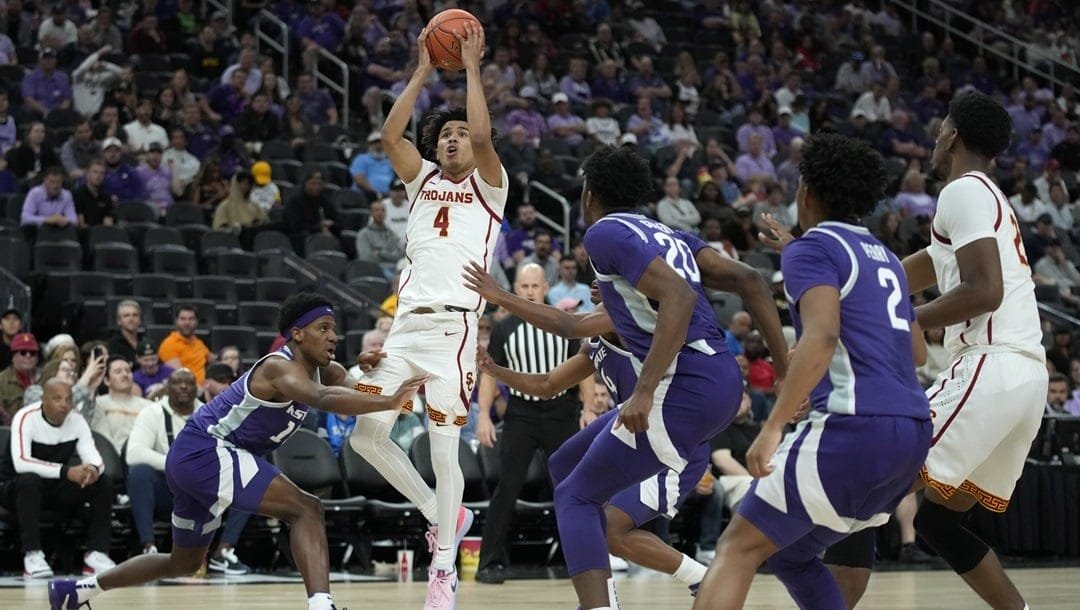
A college basketball game is 40 minutes long, divided into two 20-minute halves.
Ever wondered about the fast-paced action on the court? Many people ask, how long is a basketball game in college? It’s a common question, especially when trying to plan around game times.
Knowing the duration helps fans, players, and even coaches organize their schedules. Understanding the game’s structure improves the viewing experience.
The college game clock moves a bit differently than other levels. It’s essential to understand the differences between these levels of play, which is why we explore the 40 minute duration of a college game.

How Long is a Basketball Game in College?
Ever wondered how long those exciting college basketball games actually last? It’s not as simple as just one number. Unlike your neighborhood pickup game, college hoops has specific rules and a set amount of time for playing. Let’s dive into the details and explore exactly how long a basketball game is at the college level, looking at everything from the basic game clock to all those time-outs and intermissions that can add to the total duration.
The Standard Game Clock: 40 Minutes of Action
The most important thing to know is that a typical college basketball game is divided into two halves. Each half is exactly 20 minutes long. That means, on paper, you are looking at 40 minutes of actual playing time. This is a bit different from high school basketball, where the game is often divided into four shorter quarters, or the professional NBA, which features four 12-minute quarters. In college basketball, the focus is on those two longer periods of play.
Understanding the Game Clock
So, we know there are 40 minutes of game time, but how does that clock actually work? It’s not always running continuously. The clock stops quite frequently during the game. Here’s a breakdown of when the game clock stops during play:
- When the Ball is Out of Bounds: If the ball goes out of bounds, the clock stops. This gives the players time to reset and the referee to determine who gets possession.
- When There’s a Foul: When a player commits a foul, the clock stops. This allows the referees to assess the foul and the players to take any free throws.
- Time-Outs: When a team calls a time-out, the clock stops. Teams have a limited number of time-outs they can use throughout the game.
- During Free Throws: During free throws, the clock stops after each shot.
- Official’s Time-Outs: Sometimes, officials will call time-outs for situations such as injury or to review plays.
- End of a Period: At the end of each 20-minute half, the clock stops.
Because of these frequent stops, a game clock of 40 minutes is only the starting point. The actual time the game takes is usually much longer.
The Halftime Break: A Pause for Rejuvenation
After the first 20-minute half, there is a break called halftime. This isn’t just a quick few seconds to change sides of the court. Halftime is a longer break designed to give the players a chance to rest, recover, and for coaches to regroup and strategize. Typically, the halftime break in a college basketball game is 15 minutes long. This can sometimes be slightly shorter or longer depending on TV broadcast schedules or specific tournament rules.
What Happens During Halftime?
The halftime break is not just about time off for the players. It’s a strategic pause, a chance for adjustments, and a brief reprieve for everyone involved. Here’s a glimpse at what usually happens during halftime:
- Coaching Adjustments: Coaches analyze the first half of the game, identify weaknesses and strengths, and provide new strategies.
- Player Recovery: Players rest, rehydrate, and sometimes receive medical attention if needed.
- Team Talks: Players and coaches often discuss tactics, make plan changes, and get everyone focused for the second half of the game.
- Fans’ Break: It’s also a break for the spectators to grab refreshments, use the restroom, and talk about the game.
- Entertainment: Sometimes, halftime shows or special announcements are scheduled to engage the audience.
Time-Outs: Strategic Pauses
During a college basketball game, coaches and players can call time-outs. These time-outs are short pauses in the game, usually lasting about a minute, used to discuss strategy, give the players a break, or try to break the other team’s momentum. There are different types of time-outs and different rules about how many time-outs a team can have.
Types of Time-Outs
- Full Time-Outs: Full time-outs generally last 60 to 75 seconds. Each team has a limited number of these available during the game.
- 30-Second Time-Outs: These time-outs are shorter, usually around 30 seconds long. Teams get a fewer number of 30-second time-outs.
How Many Time-Outs Can a Team Use?
College basketball rules typically allocate the following time-outs for each team:
- Four Full Time-Outs: Teams typically have four full time-outs per game.
- Two 30-Second Time-Outs: Each team also has two 30-second time-outs.
These time-outs often have to be strategically used by the coaches to get the most value from them. And because each of these time-outs stops the clock, they add to the total duration of the game.
Overtime: When 40 Minutes Isn’t Enough
Sometimes, after the two 20-minute halves, the game ends in a tie. When this happens, a period of overtime is played. Overtime is an extra period of time to decide the winner. The length of the overtime is not the same as a half.
How Long is Overtime?
In college basketball, an overtime period is 5 minutes long. If after one overtime the game remains tied, another overtime is played. This will continue until a winner is determined. So, if you have multiple overtimes, the game will go on for even longer. It’s worth noting that the number of time-outs a team has might change during overtime. Each overtime period usually includes a fresh set of time-outs, giving coaches more chances to make in-game adjustments.
Factors That Impact the Game’s Total Time
Beyond the standard 40 minutes of play, a 15-minute halftime, and time-outs, a few other factors can influence how long a college basketball game takes.
TV Time-Outs
Many college basketball games are televised. Broadcasters often have scheduled time-outs for commercials and other breaks. These TV time-outs can occur at any time during the game, usually after a team takes a time out or during an official time-out. The TV time-outs usually add a couple of minutes to the total game duration.
Injuries
When a player is injured, the game clock stops. Serious injuries may require medical attention on the court and potentially a longer stop in play. These unexpected pauses contribute to the unpredictability of the game’s length.
Official Reviews
In college basketball, officials use instant replay to review certain plays and make the correct call. This review process can take some time. In the case of a critical moment, the officials can stop the play to review to make sure the right decision was made. These official reviews can add several minutes to the total game time.
Fouls and Free Throws
The number of fouls called and the frequency of free throws can have a big impact on the game’s length. Each foul stops the clock, and free throws also add to the time of a game.
So, How Long Does a Typical Game Take?
While the official playing time is 40 minutes, the actual time you’ll spend watching a game is usually much longer. When you factor in halftime, time-outs, TV timeouts, injuries, and other stoppages, a typical college basketball game can last anywhere from 2 hours to 2 hours and 30 minutes. Overtime can make games even longer. Games with multiple overtimes can stretch beyond 3 hours.
A Summary of College Basketball Game Timing
To help you remember, here’s a handy breakdown of how time is managed in college basketball games:
| Element | Time |
|---|---|
| Regular Game Time | Two 20-minute halves |
| Halftime Break | 15 minutes (typically) |
| Full Time-Outs | 60 to 75 seconds |
| Number of Full Time-Outs Per Team | Four |
| 30-Second Time-Outs | 30 seconds |
| Number of 30-Second Time-Outs Per Team | Two |
| Overtime | 5 minutes (per overtime) |
| Typical Total Game Time | 2 to 2.5 hours (without overtime) |
Remember that this is just an estimated timeframe. Each game is unique and the actual time will vary due to different in game situations.
So, while the core of a college basketball game is 40 minutes, all those extra bits – time-outs, breaks, and the occasional overtime – means that watching a game can be quite an experience. It’s a full afternoon or evening activity, not just a quick sporting event. When you settle in to watch a college basketball game, be ready for a few hours of exciting basketball action! Each game is unique, with its own flow and rhythm, shaped by the actions of the players and the strategy of the coaches. Now, you’ve got all the details on how long a college basketball game is and what adds to the total time. Enjoy the game!
Pittsburgh Panthers vs. Duke Blue Devils | Full Game Highlights | ESPN College Basketball
Final Thoughts
College basketball games feature two 20-minute halves. The clock stops for timeouts and fouls. This contributes to the overall game length. How long is a basketball game in college, then? The answer is roughly two hours with these added stoppages.
The exact duration of a game varies. It can take longer due to television timeouts or close contests. These instances stretch play time. Always factor these variances when planning.

