
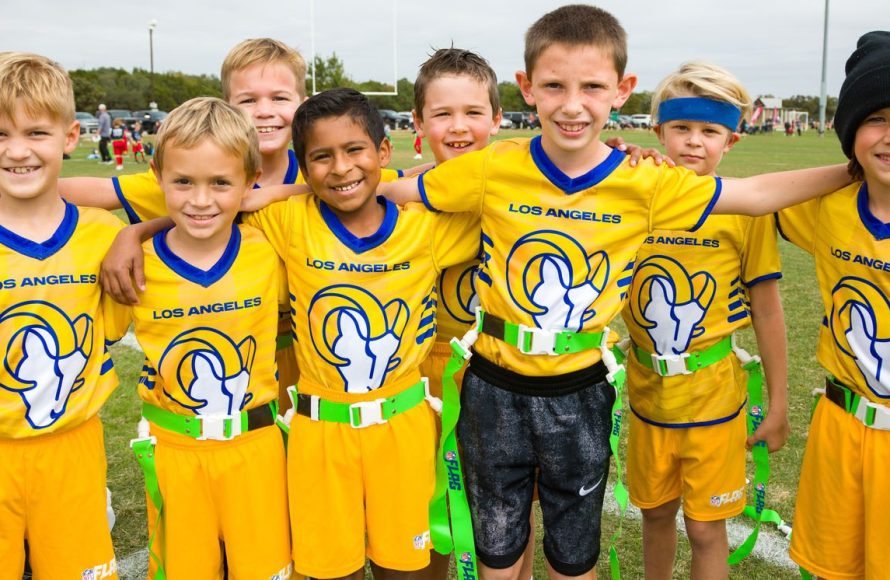
A typical flag football game for youth lasts between 40 to 60 minutes, often divided into four quarters.
Thinking about getting your child into flag football? One of the first questions many parents have is, how long is a flag football game for youth? Understanding the time commitment is important, especially when juggling busy schedules with practices and other activities.
The game length can vary slightly depending on the specific league rules. These slight variations in game time usually depend on the age group and the specific organization running the league. Most games are designed to be kid-friendly and keep everyone engaged.

How Long is a Flag Football Game for Youth?
Okay, so you’re excited about flag football, and you’re wondering how much time you’ll be spending on the field? That’s a great question! Knowing how long a game lasts helps you plan your day, whether you’re a player, a coach, or a cheering fan. Let’s get into the details of how long youth flag football games typically are.
Understanding Game Length: Factors at Play
The length of a flag football game isn’t set in stone like in the NFL. Instead, it usually depends on a few different factors. These are important to understand because they affect how much playing time the kids get.
Age Groups and Their Impact
One of the biggest factors is the age of the players. Younger kids, like those in kindergarten through 2nd grade, usually have shorter games. This is because they have shorter attention spans and can tire more quickly. Older youth players, perhaps from 3rd to 8th grade, typically have games that last a bit longer.
Think about it: a 6-year-old might get tuckered out pretty quickly, while a 12-year-old might have the energy to keep going for more time. So, the game length is adjusted accordingly.
League Rules and Preferences
Another important piece of the puzzle is the specific rules of the league or organization that’s running the games. Different leagues have different approaches. Some leagues might want to keep games shorter so that more teams can play, while others might want to give kids more time on the field. The decision comes down to what the league thinks is best for the players and the overall program.
Game Format Variations
Sometimes, the format of the game can change how long it lasts. For instance, some leagues might have shorter halves with a quick halftime break, whereas other leagues might opt for longer quarters. Some leagues might use a running clock (time keeps going even when the ball isn’t in play), while others might stop the clock for certain plays. These minor differences in rules can impact the total time a game takes. Don’t be surprised if the time varies among different leagues, even in the same area.
Typical Game Durations for Youth Flag Football
Now that we know some of the main reasons why game lengths vary, let’s talk about some typical game lengths you might see. Remember, these are just examples and the actual time can be different in your league.
Shorter Games for Younger Players
For the youngest players (think kindergarten through 2nd grade), flag football games often last between 40 and 60 minutes. This time usually includes a short warm-up period before the game and maybe a quick halftime break. Games are typically structured in shorter halves or quarters with breaks between them. You could think of this length as about the time it takes to watch a shorter kid’s movie – something to keep their attention without overdoing it.
- Typical time: 40 – 60 minutes
- Breakdown: 20-25 minute halves with 5-10 minute halftime
Longer Games for Older Players
As kids get older (around 3rd grade through middle school), games usually get a bit longer to accommodate their increased stamina and skill level. Games might be as long as 60-75 minutes with more structured play, longer quarters, and a halftime. Games may even be extended a little depending on time-outs and injuries during game play.
- Typical time: 60-75 minutes
- Breakdown: Four 15-18 minute quarters, with 5-10 minute halftime
Some leagues might even go up to 90 minutes for older groups, but this isn’t as common.
Breaking Down a Flag Football Game
To further help you understand how a game is structured, let’s look at the main parts of the game and how these parts contribute to the overall length of the game.
The Warm-up Period
Before the game actually starts, teams usually have a brief warm-up. This is super important because it helps to get the players’ muscles ready to run, jump, and catch. Warm-ups typically include light stretching, jogging and some practice throws. The warm-up period may range from 10 to 15 minutes, but it is not included in the official game time.
Game Halves or Quarters
Games are typically divided into halves or quarters, depending on the specific league rules. Shorter games often consist of two halves, while longer games might use four quarters like a professional football game. If you have quarters, you’ll usually get a brief break between each quarter to allow for substitutions and play setups. Keep in mind, the length of the quarters/halves, impacts the overall game time.
Halftime Break
Halfway through the game, there’s usually a halftime break. This break gives players a chance to rest, grab a quick drink, and talk strategy with their coaches. It’s a super important time to recharge. Halftime is usually around 5 to 10 minutes long.
Timeouts and Other Stoppages
During the game, there may be a few brief stoppages. Each team may get a chance to use a timeout when they need to regroup or stop the clock. There might also be a time-out if a player gets hurt, or if there is a penalty in the game that requires time to discuss. These pauses add a little bit of time to the overall game, but they are essential for game play.
Understanding Clock Rules
Clock management in flag football is not usually as complex as it is in other sports, but still understanding the rules that affect the clock helps you understand game length.
Running Clock vs. Stopped Clock
Some leagues use a running clock. This means the clock keeps running even when the ball isn’t actively being played, such as when a player runs out of bounds or when there is a penalty. A running clock keeps the game moving quickly. Other leagues might use a stopped clock. When the ball goes out of bounds, if there’s a penalty, or if the ball is dead, the clock stops. A stopped clock means the game could take a bit longer overall.
Overtime Rules
Very rarely, a game might end up in a tie at the end of regulation time. If this happens, most leagues will have some kind of overtime rule. Usually, overtime will mean that the teams have a chance to score once each. There might be a limited number of plays or a short time period to settle the game. Overtime is not a given, but it could extend the game an extra few minutes, if necessary.
How to Find Out the Exact Game Length
Okay, so we’ve covered a lot of typical game times, but the truth is, the specific time of your child’s game will be set by their league. So, how can you find that out?
Check the League Website or Handbook
The best place to start is your league’s official website. They should have a section dedicated to the rules of the game, and they will mention how long each game will be. You should be able to find the same information in any handbook or information packet that the league gives out to parents and coaches.
Ask Your Coach
Your coach is your go-to resource. They are familiar with the league rules, and can tell you the specifics of your game. Don’t hesitate to ask them at your next practice or email.
Talk to League Officials
If you’re still unsure, don’t be afraid to reach out directly to the league organizers or other officials. They are there to help and can give you the most accurate information regarding game timing.
Why Game Length is Important
You might wonder, “why is it such a big deal how long a game lasts?”. Here are some reasons why it’s important for organizers to get the game length just right.
Keeping Kids Engaged
Especially for younger children, games should be long enough to be fun and engaging, but not so long that kids lose their focus and get too tired. Finding the sweet spot is important for them to have a good experience.
Fair Play Time
Game length has an effect on how much playing time the kids get. If games are too short, some players might not get as much time on the field. If the games are too long, some players might tire out and not be able to play at their best. So finding that balance ensures everyone gets a fair shot.
Scheduling and Logistics
Leagues also need to think about scheduling and how many games they can fit into the time they have at their location. If games are too long, they can’t allow more teams to play. Getting game length right helps keep things running smoothly on the day of the games.
Safety and Well-being
Considering kids’ stamina is crucial. For younger players, shorter games prevent them from becoming too fatigued, which can reduce the risk of injury. Having well-planned game times keeps player safety at the forefront of the game.
So, next time you’re heading to a youth flag football game, you’ll be ready to roll. Just remember to check with your coach or the league for the most specific time. Enjoy the game!
Hopefully, this article has given you a good picture of how long a youth flag football game typically lasts. Remember, the best way to know the exact length of a game is to check directly with your league or coach. Now, go out there and have some fun with flag football!
How to Play Flag Football | NFL Flag Football Basics
Final Thoughts
Typically, youth flag football games last about an hour. The actual playing time varies based on age and league rules. Many leagues utilize shorter game clock periods, often 20 or 25 minutes.
These shorter periods and halftime create a total game duration around that one-hour mark. Game length is important so children maintain focus and stay engaged throughout the game. Understanding, then, how long is a flag football game for youth is critical for planning purposes.

