
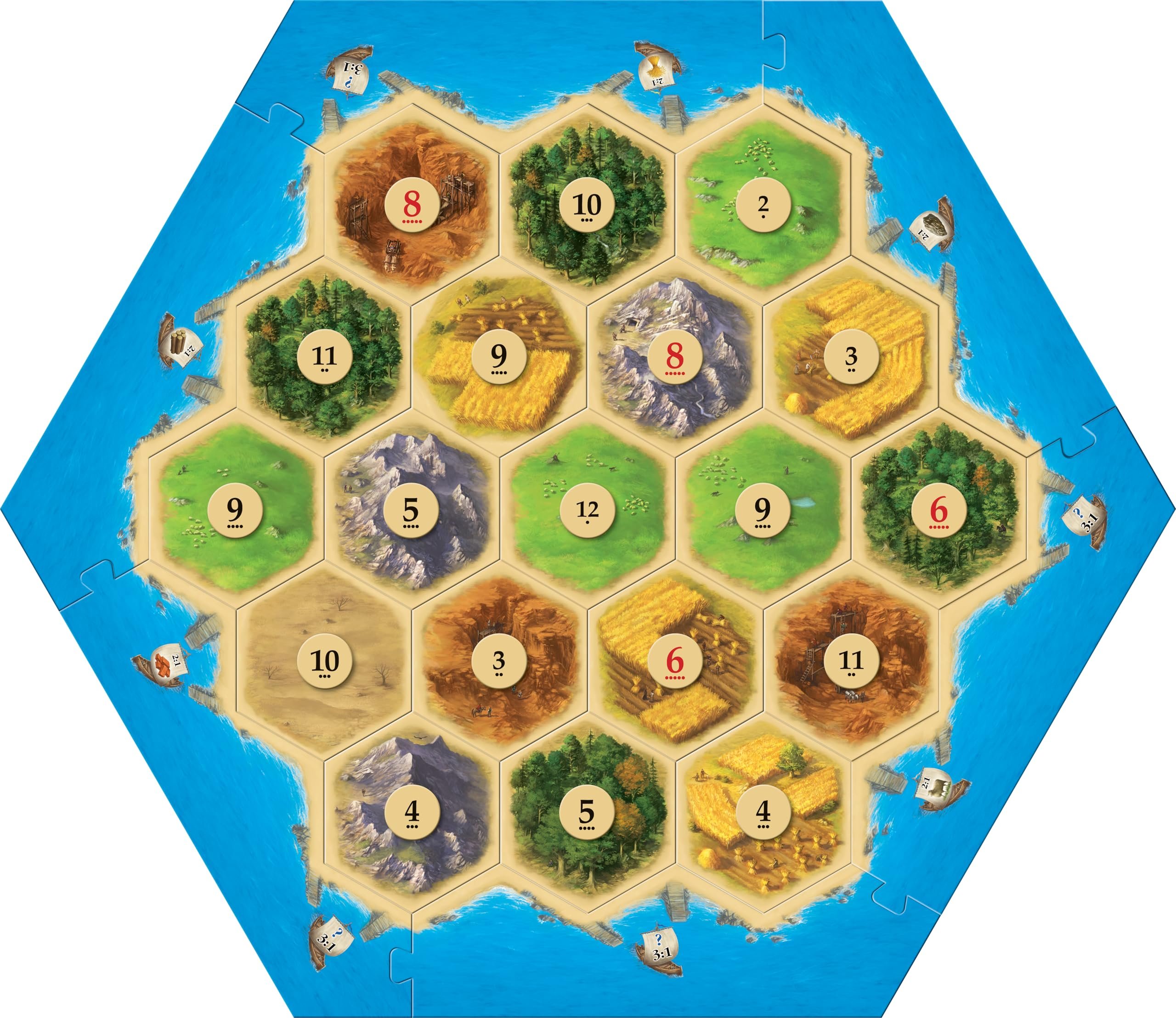
A standard game of Catan typically lasts between 60 to 90 minutes.
Curious about planning your next game night? Settling in for a good board game session is always fun, but you need to know the time commitment. This question comes up a lot: how long is a game of Catan?
Knowing the approximate playtime helps ensure everyone is ready to commit the required time. So you can dive into building settlements and cities.
Let’s get right to it. We will get to know the typical duration. This knowledge prepares you well to play.

How Long is a Game of Catan?
So, you’re ready to dive into the world of Catan, a board game where you’ll be building settlements, roads, and cities, trading resources, and maybe even getting a little competitive with your friends. But before you gather everyone around the table, you probably have one big question on your mind: how long will this game actually take? That’s a great question, and the answer isn’t always a simple one. The duration of a Catan game can vary quite a bit, depending on several factors. Let’s explore all these influences, so you can plan your game nights better and get the most enjoyment out of Catan.
Factors Influencing Catan Game Length
The length of a Catan game isn’t fixed like a timer set for a specific duration. It’s more like a recipe, where different ingredients and measurements can alter the final outcome. Several factors play a significant role in determining how long your Catan game will last. Understanding these can help you predict and even influence the playing time.
Number of Players
This is probably the most significant factor. Catan is typically played with 3-4 players. With just 3 players, the game generally moves faster. Fewer people are vying for resources and building locations, meaning fewer decisions to make and less downtime between turns. The game’s pace picks up quite a bit. When you add a fourth player, the game naturally stretches out. More people are competing for limited resources, more trades occur, and more strategies unfold, all of which add to the overall length.
With a standard 4-player game, you’ll usually see games that range from 60-90 minutes. With just 3 players, you could easily wrap up a game in 45-60 minutes. If you decide to add expansions like the 5-6 player extension, then the game time will dramatically increase. It’s like adding more lanes on a highway; while it can handle more traffic, it can also lead to more time on the road.
Player Experience and Familiarity
If you’re playing with a group that are all Catan veterans, the game will generally move along much quicker than if you’re teaching a group of newbies. Experienced players know what resources they need, what strategies they prefer, and are used to how the trading works. This minimizes decision time and makes the game more efficient. New players, on the other hand, will spend time learning the rules, double-checking their cards, and contemplating their every move. This can slow down the game significantly.
A game with all seasoned Catan players might finish in under an hour, whereas a game with mostly new players could easily stretch over two hours. It is vital to be patient when introducing new players to the game. Also, playing one or two “practice rounds” can familiarize new players, speeding up subsequent games.
Level of Competition and Strategy
Some groups play a friendly game of Catan, where trades are fair, and everyone is having fun. Other groups bring a more cutthroat competitive edge, where strategic blocking, calculated trades, and fierce resource hoarding become the norm. The level of competition directly impacts the game’s length.
When players are very strategic and focused on maximizing their points, the game can take longer. Players are carefully analyzing the board, calculating odds, and debating trades. In contrast, if players are more casual and easygoing, the game can flow much more smoothly and end faster. A high-competition game can easily exceed 90 minutes, whereas a more casual one might stay closer to an hour.
Trading Dynamics
Trading is a core element of Catan. The frequency and complexity of trades can influence game time. If players freely trade resources and make deals swiftly, the game moves smoothly. On the other hand, if players hold onto resources, wait for perfect trades, or refuse to negotiate, the game can stall. A game with active, efficient trading will run much quicker than one where players are reluctant to interact.
Games where players actively engage in trading can wrap up relatively quickly, usually within the 60-75 minute range. However, in games with minimal or slow trading, it may require over 90 minutes. Poor trading can also lead to long periods where players are stuck waiting to roll the dice.
Use of Expansion and Variants
Catan has numerous expansions and variants that add to the core game. Each of these alters gameplay dynamics and may have a significant effect on game time. For example, the “Cities & Knights” expansion introduces new development cards and complicated game mechanics that can lengthen game time. The “Seafarers” expansion with new islands and seafaring rules will also add more time compared to the basic Catan game.
Here’s a quick look at how certain expansions can influence game length:
Cities & Knights: Often adds 30-60 minutes to the base game.
Seafarers: Can add 20-40 minutes to the base game, depending on the scenario played.
Traders & Barbarians: The length change can vary, as some of the variants are shorter.
Even simple variants such as house rules or even the use of digital dice can impact a game’s length, even if only by a little.
Typical Game Length Scenarios
Let’s paint some pictures of how the different elements we mentioned can come together to affect a game of Catan:
The Quick Game
Players: 3 Experienced Players
Game Type: Standard Base Game, no expansion, relaxed play style.
Trading: Smooth and Frequent.
Strategy: Basic but not casual, more about fun.
Duration: 45-60 minutes.
This kind of game will move quickly and be a great option for a weekday game night when time is limited. Experienced players make faster decisions, trade effectively, and the game’s dynamic flow will push the gameplay forward.
The Standard Game
Players: 4 Players, Mixed Experience Levels
Game Type: Standard Base Game, no expansions.
Trading: Relatively Active.
Strategy: Balanced combination of fun and strategic choices.
Duration: 60-90 minutes.
This is the more typical scenario. There are a couple of new players learning the ropes, which makes the game slower than it might be with a group of veterans. However, with everyone understanding the basic rules and trades happening regularly, the game moves smoothly enough, making for a great and exciting game experience.
The Long Game
Players: 4-5 Players, Mixed Experience Levels
Game Type: Base Game with Expansions such as Seafarers or Cities & Knights
Trading: Some trades, but some players are slow to make deals.
Strategy: More strategic and focused on gaining points.
Duration: 90-120+ minutes.
With expansions added, more players, and a more competitive playstyle, the game takes much longer. The additional mechanics in the expansion requires players to take longer turns and requires that they keep up with new objectives, while also focusing on the original Catan goals. This type of game is perfect when you have a whole evening planned around playing.
The Marathon Game
Players: 5-6 Players, Mix of Experienced & New Players
Game Type: Base Game with multiple expansions.
Trading: Not as Frequent
Strategy: Highly competitive and strategic gameplay.
Duration: 120+ minutes.
A marathon Catan game is ideal when players are ready for an extended gaming session. It involves a group of players and the game can last for hours due to added rules and more players to wait on, requiring players to be more focused and committed. These types of games require a high level of engagement, but they also often offer some of the most memorable moments of playing Catan.
Tips to Manage Catan Game Time
While you can’t control every single factor that impacts the length of the game, you can take a few steps to help ensure that it runs smoothly and doesn’t drag on forever. Here are some strategies:
Start with a Clear Explanation of the Rules: Before you even lay out the game board, be sure everyone understands the basic rules of Catan, how resources are acquired, how trading works, and how victory points are earned. A quick review with newer players, or even a practice round, can prevent confusion and delays during the actual game.
Encourage Active Trading: Encourage players to interact and make trades, even if they don’t always seem perfect. Stagnant trading can quickly slow down the game, so it’s good to keep the game running with active trades. A little give and take speeds things up for everyone.
Use a Timer for Turns: If you’re playing with a group that is prone to overthinking, introduce a turn timer. This doesn’t mean the timer must be super strict. You could make it 60 or 90 seconds to ensure that each player remains decisive and takes their turn in a reasonable time, keeping the game moving.
Prepare the Setup in Advance: Having the game board and resource cards ready to go before everyone arrives is a great way to avoid unnecessary delays. A lot of time can be spent unboxing and sorting before you even begin. Pre-sorting pieces and planning the initial board setup can save a lot of time and hassle.
Manage the “Robber” Effectively: Ensure players quickly move the robber when they roll a seven. A good house rule is to make the movement of the robber the first action before any card trades or gathering of resources.
Use Online Resources: If you and your group are relatively new to the game, there are tons of online resources that offer very simple explanations of the rules. Some have quick how-to guides or video tutorials that can be helpful to watch before your game night. This will remove some of the confusion that can slow down gameplay.
Keep the Gameplay Positive: Remember that Catan is a game for fun. Maintaining a relaxed and positive atmosphere can help keep the game flowing, avoiding any tense arguments that can result in delays. This keeps the overall mood up and helps the game move more efficiently.
Consider Digital Options: For those who have time constraints, playing a digital version of Catan is a great option. Digital games typically move along quicker, as they automate much of the setup and rules enforcement. This makes for a great option when time is limited.
Learn from Experience: The more you play, the better you will get at estimating how long a game will take with your specific group of players. Each group has its own dynamic, and over time, you’ll become more adept at planning game nights according to that group’s needs.
With these strategies, you will be able to manage the length of your Catan game, making it a much more enjoyable experience for everyone at your table.
The duration of a Catan game isn’t set in stone. It’s a dynamic element that depends on various factors. From the number of players to their experience and play styles, each game is unique, and the length of time it takes will change from game to game. By understanding these variables and implementing strategies to help the game move smoothly, you can tailor your Catan experience to suit any available time. Whether you are playing a quick game after dinner or a marathon session on the weekend, remember that the main thing is to have fun and enjoy the experience.
How To Play Catan
Final Thoughts
Typically, a game of Catan lasts around 60 to 90 minutes. Experience level and player count impact the total time.
Beginner games might take a bit longer, as people learn the rules. Experienced players usually finish in the shorter end of that range.
Therefore, “how long is a game of Catan” generally depends on the group. Plan for about an hour to hour and a half for one full game.

