
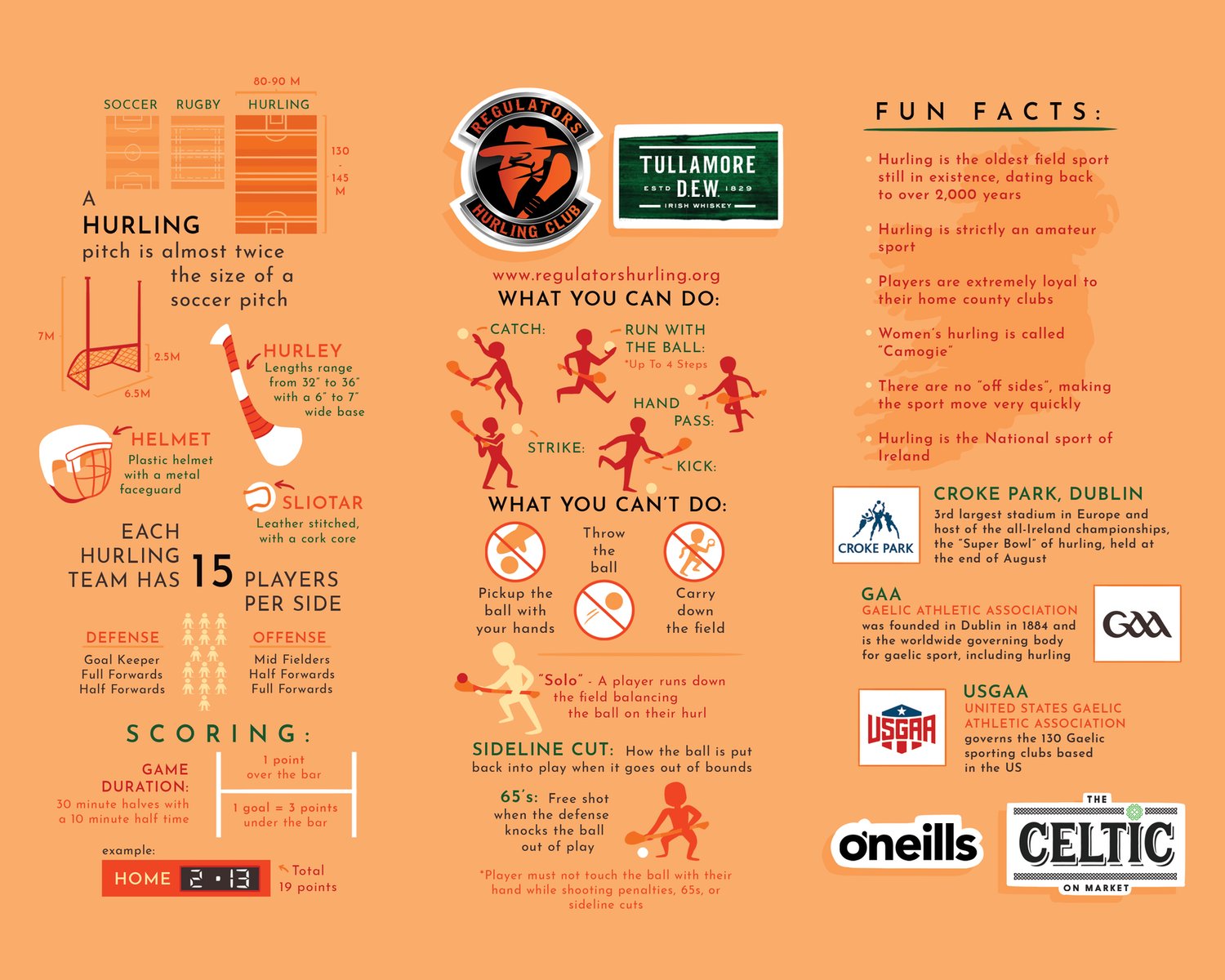
A standard game of hurling lasts 70 minutes, divided into two 35-minute halves, with a short break in between.
Ever wondered how long is a game of hurling? It’s a question many newcomers to this fast-paced sport often ask. The duration isn’t as straightforward as simply saying “an hour”.
The match time has a specific structure. It’s split into two equal parts with a breather in the middle. Understanding the timing adds to the enjoyment of watching or playing the game.

How Long is a Game of Hurling?
Hurling, a fast-paced and exciting sport, is known for its intense action and skill. But how long does a typical game actually last? The answer isn’t as simple as stating one specific number. Like many sports, the duration of a hurling match can vary depending on the age group playing and the specific competition. Let’s explore the standard game lengths and some factors that can influence them.
Standard Game Lengths
The most common hurling game lengths you’ll encounter are based on the age of the players. The Gaelic Athletic Association (GAA), which governs hurling, has specific rules about match duration for different age levels. This helps ensure that younger players aren’t overexerted and that the pace of the game is appropriate for their development.
Senior Level Hurling
For adult or “senior” hurling, a standard game lasts for 70 minutes. This is divided into two halves of 35 minutes each, with a short break at halftime. This 70-minute duration is what you’ll see in most adult club games and inter-county matches.
- Full Game Length: 70 minutes
- First Half: 35 minutes
- Halftime Break: Usually 10-15 minutes
- Second Half: 35 minutes
You’ll often hear that a senior hurling game lasts “an hour and 10 minutes.” This refers to the combined playing time. However, this doesn’t include stoppages or any additional time added by the referee. We’ll get into that part a little later.
Minor and Under-21 Level Hurling
Games for players at the minor (under-18) and under-21 levels are generally shorter than senior matches. These younger players typically have less physical endurance, so the match length is adjusted accordingly.
- Full Game Length: 60 minutes
- First Half: 30 minutes
- Halftime Break: Similar to senior level, around 10-15 minutes
- Second Half: 30 minutes
So, you’ll notice that minor and U21 games have ten fewer minutes of playing time compared to adult games. This helps balance the game’s intensity with the physical capabilities of the younger players.
Underage Hurling (Below Minor Level)
For even younger players, such as those in U16, U14, or even younger age groups, game lengths are shortened even further. This is to prioritize skill development and enjoyment for younger participants. Here’s what you typically see:
- Full Game Length: 50-60 minutes
- Half Lengths: 25-30 minutes
There isn’t one hard rule across all underage groups. Sometimes, for the youngest groups, they will even reduce game time further, maybe two 20-minute halves, for instance. The key goal is to ensure that the kids are having fun and are developing a passion for the sport.
Factors Affecting Game Length
While the timeframes mentioned above are the standard, it’s important to remember that several factors can affect how long a hurling game actually lasts.
Added Time (Injury Time)
One of the most significant factors is the addition of extra time, also called “added time” or “injury time.” This is time added at the end of each half to account for any stoppages in play. These stoppages can occur due to injuries, substitutions, or other delays. Referees keep a record of the time lost during play and add that extra time at the end of the half. This can vary considerably. For example, if there have been a lot of stoppages, there might be 3 or 4 minutes of extra time at the end of a half. However, if there are few stoppages, the added time could be just 1 minute.
The amount of added time is at the referee’s discretion and depends entirely on the circumstances of the match.
Match Stoppages and Delays
Hurling, with its fast pace and intense physical contact, can sometimes experience stoppages. These stoppages can be due to:
- Injuries: Play must stop when a player is injured to allow for medical attention. The time taken to assess and treat the player will be added to the end of the half.
- Substitutions: The process of substituting players can cause minor delays, which are accounted for.
- Referee Decisions: Sometimes, the referee needs to consult with linesmen or umpires, which also can cause stoppages.
- Equipment issues: If a player’s helmet or other equipment needs to be fixed, play is paused.
These interruptions, though necessary, mean that the actual duration of a game can be longer than the standard 70 minutes or 60 minutes for minor games.
Extra Time in Knockout Games
Another big factor that can significantly extend a hurling game is extra time. This occurs only in knockout games when the score is tied at the end of regulation time. In such cases, two additional periods, usually of 10 minutes each (5 minutes per half), are played to try and decide a winner. If the score is still tied after extra time, it may come down to a replay of the whole match at a later date or, less commonly, a penalty shootout. Some competitions do have a different system than this (which we’ll get into in the next section).
Variations Based on Competition Rules
While the standard rules are pretty much consistent across the board, there may be variations depending on the rules of a specific competition. Here are some examples:
- Different Extra Time Rules: As previously mentioned, the GAA generally uses a standard two 10-minute halves for extra time, but some competition organizers might modify this. For example, some local competitions might have extra time of 5 minutes per half, or a different system entirely to determine the winner such as a replay.
- Local Rules: Very occasionally, local Gaelic Athletic Association boards might have slight alterations to game length based on the particular situation. For example, if the field is smaller than regulation size, they may shorten the game length to compensate.
Understanding Timings in Hurling
To give a better picture, here’s a breakdown of how the different time durations can impact a game of hurling:
A Senior Hurling Match Scenario
Let’s imagine a typical senior hurling match. We have:
- First Half: 35 minutes (standard)
- Added time in first half: 2 minutes (due to injuries and a substitution)
- Halftime Break: 10 minutes
- Second Half: 35 minutes (standard)
- Added time in second half: 4 minutes (due to additional injuries and stoppages)
In this scenario, the actual playing time comes to 76 minutes (37+39). Including the 10-minute halftime break, the match would be around 86 minutes in total. If you were watching on television, this is more than likely the actual time that the broadcast would have used up.
An Underage Match Scenario
Now consider an underage match (e.g., U16s):
- First Half: 30 minutes (standard)
- Added time in first half: 1 minute (minimal stoppages)
- Halftime Break: 10 minutes
- Second Half: 30 minutes (standard)
- Added time in second half: 2 minutes (a few minor injuries)
For this game, the total playing time would be 63 minutes (31+32). The total time, including the half-time break, would be 73 minutes.
Why Game Lengths Vary
So, why do the game lengths vary based on age? There are a few good reasons for this:
- Physical Development: Younger players have less stamina and endurance than adults. Shorter game lengths help ensure they don’t become overly fatigued and reduce the risk of injuries.
- Skill Development: For younger players, the emphasis is often on skill development and learning the game. Shorter games allow them to focus on learning at a suitable pace.
- Enjoyment: Keeping the games to an appropriate length for a given age group helps ensure that young people have a positive experience and a long-term love for the sport.
- Fairness: Ensuring games are of a suitable length for different ages means that they are challenging and fair for all involved.
Watching a Hurling Match
If you’re planning to attend or watch a hurling match, it is helpful to understand that the time on the clock is the official time, but the actual duration of a game, including added time, will be slightly longer. Be aware that games could take a bit longer to play than you expect.
With the added time and stoppages, the total time you should allocate to watch a senior hurling match is around 80-90 minutes, while for underage matches, allow around 70-80 minutes. This will account for the playing time, the break, and the additional minutes. If extra time comes into play, add on an extra 20-30 minutes, depending on whether there are any added minutes on top of extra time. This way, you will not be caught out by any extra time added to the game.
By understanding the different factors that affect game length, you’ll have a better sense of what to expect when watching or participating in a game of hurling. The specific durations are all part of ensuring the game is played fairly and safely for players of all ages.
Hopefully, now you have a better understanding of how long a game of hurling is. Whether you are watching from the sideline, the stands, or your couch, you will now have a better picture of the time to allocate for it.
The Rules of Hurling – EXPLAINED!
Final Thoughts
Hurling matches typically last 70 minutes, split into two 35-minute halves. Inter-county senior games follow this structure. However, underage matches use shorter playing times.
Minor and junior competitions may have 60-minute games, often with 30-minute halves. This variation accommodates different age and skill levels. Thus, ‘how long is a game of hurling’ depends on the specific competition.
The main factor influencing the game’s duration is age and league. These time variations ensure fair and engaging gameplay for everyone. Ultimately, understanding these rules helps fans appreciate the sport better.

