
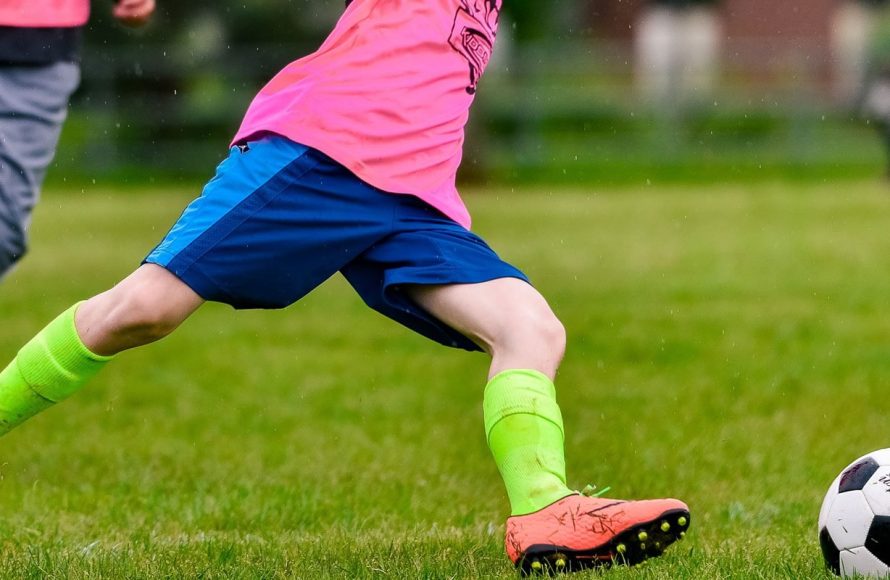
A high school soccer game typically lasts for 80 minutes, divided into two 40-minute halves.
Ever wondered about the duration of a high school soccer match? It’s a common question for new fans and even seasoned spectators. Understanding how long is a high school soccer game is key to following the action and planning your time around the game schedule.
The total playing time doesn’t include halftime or any added time for injuries. These periods contribute to the total time you will spend watching a game. Knowing this information helps you prepare for the excitement.

How Long Is a High School Soccer Game?
So, you’re wondering how long a high school soccer game lasts? It’s a great question! Knowing the game’s length helps you plan your schedule, whether you’re a player, a coach, or a super fan cheering from the sidelines. Let’s dive into the details and explore everything that impacts the time on the clock during a high school soccer match.
The Basic Time: Regulation Play
The standard length for a high school soccer game is usually 80 minutes. This is the total time for what we call ‘regulation play.’ But it’s not just one big 80-minute chunk. Instead, the game is divided into two equal halves.
Halves and Halftime
Think of it like two short games put together. A typical high school soccer game has two 40-minute halves. Between these two halves, there is a break called halftime, so players can rest and the coaches can give them a pep talk. The length of halftime can vary, but it’s usually around 10 to 15 minutes. Therefore, the total time commitment, including halftime, is usually just under an hour and half.
- First Half: 40 minutes
- Halftime Break: 10-15 minutes (approximately)
- Second Half: 40 minutes
So, if you’re at the game, plan on about an hour and a half for the total duration, including that break in the middle. Remember, this is the normal length, but sometimes the games can be a bit longer or shorter, which we will talk about shortly.
Understanding Stop-Time vs. Running Time
Unlike some sports, like basketball, where the clock stops very often, soccer uses what’s called a ‘running clock’. This means that for most of the game, the clock keeps ticking, even when the ball is out of play or when there are minor interruptions. This can affect the overall length of the game. Let’s explore what this means in more details.
When Does the Clock Stop?
Even though it is mostly a running clock, there are a few situations where the game clock will stop during a high school soccer game.
- Injuries: If a player gets hurt and needs attention from the medical staff, the clock will stop. The referee will stop the clock to ensure the player receives proper care. After the player is safe, then the game clock will start again.
- Substitutions: When teams are making player changes, there’s usually a brief pause where the clock might get stopped. This allows the subs to get on and off the field without disrupting the flow of play.
- Referee Discretion: In certain situations, the referee might stop the clock due to some kind of unusual incident or to maintain control of the game.
These instances are important, but they don’t typically add a ton of time. While these stoppages might add a little to the overall game time, the clock is usually running, so the game doesn’t drag on too long.
The Role of Added Time (Stoppage Time)
Now here is a key element that can affect how long a soccer game can go: added time or stoppage time. You will hear the referee announcing this time at the end of each half.
Why Add Time?
Added time compensates for those times when the game clock was stopped during regular play. So, if there were several injuries or many substitutions, the referee might add a minute or two (or sometimes more) to the end of each half. This time makes sure the teams play the full 40 minutes of each half, even with the interruptions. This way, the game time is more accurate.
How is Added Time Determined?
The referee is the one who decides how much time to add. They do this by watching the game closely and keeping track of how much time has been lost due to stoppages. This isn’t an exact science, so it’s not always consistent; sometimes more time is added, sometimes less, it all depend on the situation.
So, while the regulation time is 80 minutes, with added time at the end of the halves, the game can go a bit longer. Let’s explore how this looks like in real game scenarios.
What About Overtime?
Sometimes, a high school soccer game might be tied after regulation time. What happens then? It depends on the specific rules of the league or tournament.
Overtime Rules
There isn’t a single rule for overtime; it can vary widely between different high school soccer leagues and tournaments. Here are a few of the most common scenarios:
- Sudden Victory (Golden Goal): This is where the first team to score in overtime wins. The game would stop immediately when a goal is scored.
- Additional Overtime Periods: Sometimes, they play one or two extra overtime periods, often 10 minutes each. If the game is still tied at the end of overtime, then they might use penalty kicks.
- No Overtime – Straight to Penalty Kicks: Some leagues go straight to penalty kicks if the game is tied after regulation time.
What are Penalty Kicks?
If the game is still tied after any overtime periods or if the league goes straight to penalty kicks, then this is how the game will get decided. Penalty kicks are a series of one-on-one shots between a player from each team and the goalie. The team with the most successful penalty kicks wins the game. This series of kicks usually involves five kicks per team, and if it’s still tied, they continue until there’s a winner.
Factors That Can Affect Game Length
Even though there are basic rules that govern game length, a few other things can affect how long a high school soccer game takes to play.
Weather Conditions
Weather can have a major impact on the game. If it’s raining too hard or if there is lightning, the game might be delayed or even stopped. The referees want to keep the players safe. If the delay is very long, the game might get rescheduled to another day.
Serious Injuries
As mentioned before, injuries can affect the length of the game. If a player is seriously hurt, the game might be stopped for a significant amount of time while they get medical assistance.
Referee Decisions
Sometimes, the referee can make certain decisions that can impact the length of the game. They may need to stop the game to sort out a dispute or deal with other special situation. This usually adds only a little time to the total game length.
Tournament Rules
Different tournaments can have specific rules that might affect how long a game lasts. Some tournaments might use a different overtime rule or might have different rules about how long halftime is, all which can affect the total time.
How Long Should You Plan To Be At The Field?
Okay, so we have gone over all the details of how long the game lasts. Here is a quick recap of the different time elements:
- Regulation Time: 80 minutes (two 40-minute halves)
- Halftime: 10-15 minutes
- Added Time: Varies, but typically a few minutes at the end of each half
- Overtime (If Needed): Can range from sudden victory to two 10 minute overtime periods, or go straight to penalty kicks.
Based on these points, when you are planning to go to a high school game, you will need to block off about an hour and a half for regulation play with halftime and a little extra for added time. If the game is a close one, you will need to plan for some extra time in case of overtime or penalty kicks. Being prepared for any situation will help you avoid being rushed or disappointed.
Tips for Parents, Fans and Players
Alright, here are some tips that can help all the parties involved to have the best possible experience on game day.
For Parents and Fans
- Check the Schedule: Always double-check the game time, especially if the game was rescheduled for some reason.
- Arrive Early: Get there a bit early so you can park your car without hurrying and find the best spots to watch the game from.
- Plan for Overtime: Be prepared for games that might go into overtime, especially during playoffs or big tournaments. Bring some snacks and water to stay refreshed for the game.
- Enjoy the Game: The most important thing is to enjoy the game and have fun while cheering for your team!
For Players
- Warm-Up Properly: Make sure you are fully prepared and warmed up to go at the start of the game. This will also help prevent any injuries.
- Listen to Coaches: Pay attention to the coaches and follow their instructions during the game.
- Stay Hydrated: Drink plenty of water before, during and after the game to keep your energy up.
- Give It Your Best: Try your best and support each other while playing the game.
Understanding the length of a high school soccer game is essential for planning and for making sure you get the most out of every soccer match. Whether you are a player, a parent, or a fan, knowing what to expect can make the experience more fun and smooth. The game length can have variations, but knowing all the basic information can help you make the necessary preparations for game day. Enjoy the game!
BIGGEST RE-MATCH IN HIGH SCHOOL SOCCER HISTORY!
Final Thoughts
In summary, a standard high school soccer game lasts 80 minutes, divided into two 40-minute halves. There’s a brief halftime intermission between these periods. Understanding this timeframe helps players and fans alike prepare for the game.
Therefore, how long is a high school soccer game? It is typically 80 minutes. This consistent duration allows for scheduling and planning of games.

