
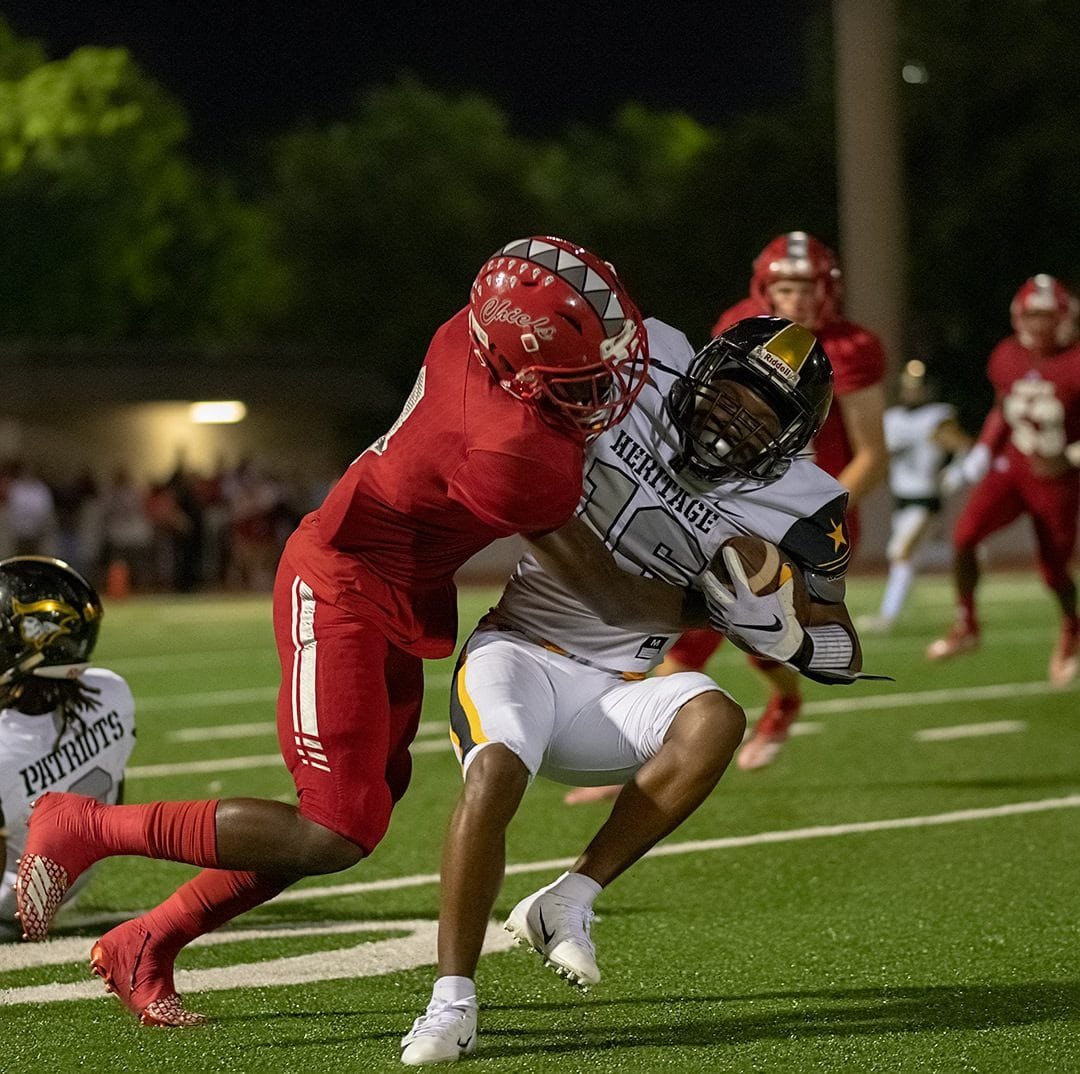
A highschool football game typically lasts for 48 minutes of playing time, divided into four 12-minute quarters.
Ever wondered how long is a highschool football game? It’s a common question for both new fans and seasoned spectators alike. The games may seem like they take forever, with all the action and breaks, but there is actually a standard length that you should be aware of.
The clock is always running, except for specific situations like timeouts, injuries, or incomplete passes. These stoppages and the halftime break contribute to an extended experience, that is typically a few hours.

How Long Is A High School Football Game?
Okay, let’s dive right into it! You’re probably wondering exactly how much time you’ll be spending in the stands (or on the field!) at a high school football game. It’s not quite as simple as saying “it’s exactly this many minutes,” because there are a few factors that can change things up. But don’t worry, we’ll break it down so it’s super clear. A typical high school football game is 48 minutes long, but this doesn’t mean you’ll be out of the stadium in 48 minutes! This 48 minutes is the actual playing time, but there are so much more time included, so keep reading.
The Standard Game Structure
High school football games are split into four quarters, just like you see in the NFL or college games. Each of these quarters is 12 minutes long. So, 12 minutes times 4 quarters equals 48 minutes of playing time. Pretty straightforward, right?
The Four Quarters
Let’s look a bit closer at the quarters:
- First Quarter: 12 minutes of game time.
- Second Quarter: Another 12 minutes of play.
- Third Quarter: Yep, 12 more minutes!
- Fourth Quarter: The final 12 minutes of the game.
Between the second and third quarter is a break called halftime. This is when the band might perform, or players get a chance to re-energize for the second half.
Halftime: More than Just a Break
Halftime is an important part of the game experience. It usually lasts about 15 to 20 minutes. This break allows players time to rest, coaches a chance to make any necessary changes to their strategies and fans time to grab snacks or use the restroom. It’s a breather before the second half action kicks in.
Why the Clock Doesn’t Always Run Continuously
Even though the clock says 12 minutes for a quarter, the game doesn’t always run that smoothly. There are certain situations where the game clock stops. This is why a game can take more than just 48 minutes to complete. Let’s look at what might cause a clock stoppage:
Timeouts
Teams get timeouts during the game. Coaches call these to talk strategy with their players, or they just need to regroup a little. When a timeout is called, the game clock stops. Each team usually gets three timeouts per half of the game. These are limited, so coaches have to use them wisely!
Incomplete Passes
If a player throws a pass and nobody catches it, it’s an incomplete pass. When this happens, the clock stops, so the next play can start with the clock running. It’s a short pause, but these add up over the course of a game.
Out-of-Bounds Plays
Whenever a player runs out of bounds with the football, the clock also stops. This keeps the game moving smoothly and fairly.
Penalties
When a penalty occurs, like offsides or holding, the clock usually stops. This allows the referees to sort out the situation and take any necessary action. Penalties can add some extra time to a game, depending on how many occur.
Injuries
If a player gets hurt during a game, the clock stops while they receive medical attention. Player safety is the most important, so these pauses are essential.
Change of Possession
Sometimes, the clock will stop when the ball changes possession (i.e., an interception, fumble, or when there is a turnover on downs). The clock is stopped until the team that has gained the ball is ready to play.
The Total Game Time: What to Expect
So, you’ve got the 48 minutes of playing time, plus timeouts, incomplete passes, penalties, and halftime. All these add extra time to the game. So, how long does a high school football game actually last? You can expect most high school football games to take about 2 to 3 hours from start to finish. This includes the warm-ups before the game starts and, sometimes, some post-game ceremonies.
Factors That Can Influence Game Length
Here are things that may change the total length of the game:
- Lots of Penalties: If there are lots of penalty flags, those stops add more time to the game.
- Many Injuries: If multiple injuries happen, the game may last longer, due to the stoppages for player care.
- Close Games: Very close games, especially in the final quarter, might have more timeouts called and more time-stopping plays, which would add to the overall game length.
- Overtime: If the game is tied at the end of the fourth quarter, the game will go to overtime. These situations will add more time to the overall game.
- Running Clock Rules: Some leagues or states have a running clock rule that comes into effect when a team is leading by a certain number of points. If this occurs, the clock will run continuously until the score differential is reduced, making the game shorter.
The Pre-Game Activities
Before the official start of the game, there’s often some pre-game activity. This might include teams warming up, the national anthem being played, and other events. This can add an extra 15-30 minutes to your time at the game. It’s a fun part of the experience and helps to build excitement for the kickoff.
The Post-Game Experience
After the final whistle, there might be post-game activities. These might include team huddles on the field, high-fives, and maybe even a handshake line between teams. Depending on the school and the nature of the game, this could add another 5-15 minutes. This is a good time to support the team for all their efforts.
Game Clock Management: How Coaches Use Time
Managing the game clock is a crucial part of football strategy. Coaches use timeouts and specific plays to control the pace of the game. Knowing how time management works can help you enjoy the game even more. Let’s explore a few tactics:
Conserving Time
If a team is ahead late in the game, they may try to use plays that keep the clock running. For example, they might run the ball instead of throwing it. This helps them run down the clock and protect their lead.
Stopping the Clock
If a team is behind, they will try to stop the clock whenever possible. They will use all timeouts and may prefer to throw the ball instead of running. Incomplete passes help the team to stop the clock as well as out of bound plays.
The Two-Minute Warning
In many levels of football, there is a “two-minute warning.” This happens at the end of each half. This is a break in play where the clock stops automatically with two minutes remaining in the second and fourth quarters. This rule was established to give teams a fair amount of time to get the ball and make something happen at the end of the game. The two-minute warning can add tension and excitement to the end of each half, because the game clock will stop with all plays that may occur during this time.
Comparing High School Games to Other Football Levels
It’s interesting to see how game times compare across different levels of football. Let’s take a quick look.
NFL (National Football League)
NFL games also have four quarters, but these quarters are 15 minutes long each, making the total playing time 60 minutes. NFL games often last for three to four hours due to the extra time for commercial breaks and more intense gameplay. There are many more time stoppages and reviews in an NFL game compared to high school football.
College Football
College football games also feature four 15-minute quarters, totaling 60 minutes of playing time. Like the NFL, college games are known for having more frequent time stoppages, which also means they can take up to three to four hours to complete.
Youth Football
Youth football games are shorter. For example, they may have four 8-minute quarters (32 minutes of total playing time). The overall length of these games is usually closer to about 1 to 1 1/2 hours. The length of game is determined by the age group of the participants. As children get older, the length of their games gets longer.
A Quick Comparison Table
Here’s a handy table to summarize these game time differences:
| Level | Quarter Length | Total Playing Time | Approximate Game Length |
|---|---|---|---|
| High School | 12 minutes | 48 minutes | 2-3 hours |
| NFL | 15 minutes | 60 minutes | 3-4 hours |
| College | 15 minutes | 60 minutes | 3-4 hours |
| Youth | 8-10 minutes (varies) | 32-40 minutes | 1-1.5 hours |
So, next time you go to a game, you’ll have a better idea of how long you might be there. Remember, it’s about more than just the playing time. It’s the whole experience, from the pre-game excitement to the final whistle. Each game is different, and the length can vary, but knowing the basics helps you plan.
In conclusion, a high school football game has four quarters that are each 12 minutes long, totaling 48 minutes of game play. However, the game will take approximately 2-3 hours to complete due to time-outs, incomplete passes, penalties, and halftime. So, when you head to the stadium, be prepared to spend a few hours enjoying the game!
This is what High School Football is all about 💯 #shorts
Final Thoughts
A standard high school football game lasts 48 minutes, divided into four 12-minute quarters. However, stoppages for plays, penalties, and timeouts extend the actual game time. The clock stops frequently, adding considerable length to the total experience.
Halftime usually provides a 15-20 minute break. Other breaks occur between quarters. So, while the official game is 48 minutes, a typical high school football game will take around two to three hours. Therefore, that’s how long is a highschool football game.

