
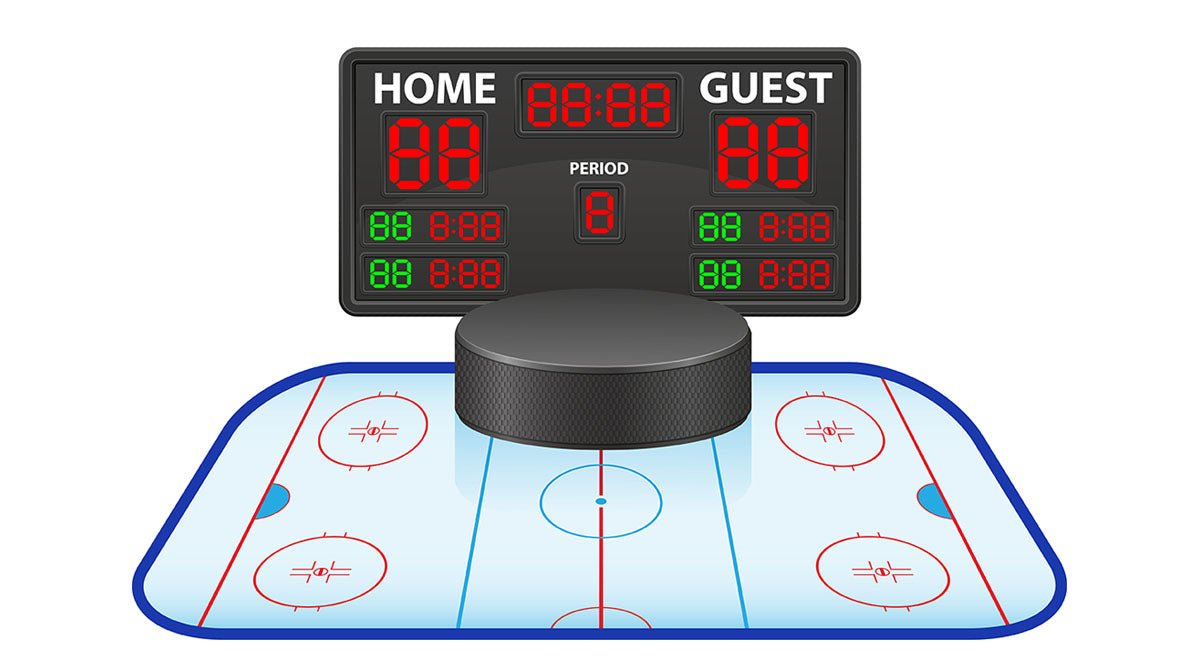
A standard ice hockey game is 60 minutes long, divided into three 20-minute periods.
Ever wondered how long is a hockey game? It’s a common question for newcomers to the sport, or even for those just trying to schedule their evening. The quick answer is that it’s a little over an hour of play time.
However, that time doesn’t include intermissions or any possible overtime. A typical game takes roughly two and a half hours from start to finish.

How Long Is a Hockey Game?
Let’s dive into the exciting world of hockey! One of the first questions people often ask is: “How long is a hockey game?” It’s a great question, and the answer isn’t always as simple as you might think. While we can give a standard time, many factors can change how long you’ll be watching the game. Let’s explore all the different parts of a hockey game that affect its length.
The Standard Time: Three Periods of Play
The main part of any hockey game is broken down into three periods. Each period is officially 20 minutes long. So, if you just add it up, 20 minutes times 3 periods equals 60 minutes. This is the time the clock is actually running during play. However, games are almost always longer than that, and we’ll talk about why.
What Happens Between Periods?
After each period, there is an intermission. This is a break for the players to rest, for the coaches to talk strategy, and for the ice to be resurfaced! These intermissions are not part of the playing time. They usually last about 15 to 20 minutes, but sometimes can run a little longer due to TV requirements or special events.
Understanding Game Time vs. Real Time
A hockey game isn’t like a soccer game where the clock usually keeps ticking. In hockey, the clock stops quite a bit. This is why a 60-minute game on paper might take closer to two-and-a-half hours to watch in person or on TV. So, what stops the clock during a game?
- Penalties: When a player does something against the rules and gets a penalty, the clock stops. The referee’s job is to stop time and make sure penalties are taken carefully.
- Goals: When a team scores a goal, the clock stops to celebrate and get the players ready for the next face-off. This also allows for the goal to be reviewed if there was a close play.
- Puck Out of Play: If the puck goes outside the rink, the clock stops so that they can bring a new puck and get the game going again.
- Injuries: If a player gets hurt, the clock stops so they can be helped safely.
- Time-Outs: Each team gets one time out during the game. The clock stops when a team calls for a time-out.
These pauses for penalties, goals, pucks out of play, injuries, and timeouts mean that the actual time it takes to play a hockey game is much longer than just the sixty minutes of play time. It’s like a TV show that is supposed to be 30 minutes long, but there are commercials that make it 40 or 45 minutes!
Different Levels, Different Timing
It’s important to note that the length of a hockey game can also change depending on the level of play. Here’s a general look at the timing for different levels:
Professional Hockey (NHL)
The National Hockey League (NHL), the big leagues, follows the standard time we just talked about. Each period is 20 minutes, with intermissions of approximately 15 to 20 minutes between periods. These games usually last between two and a half to three hours because of all the clock stoppages we described. However, these timing are pretty standard and we will be focused on these timings in the rest of our article.
College Hockey (NCAA)
Games at the college level follow similar rules to NHL, with 20-minute periods. However, intermissions may vary slightly. They can still run for around 15 to 20 minutes. In these games, you’ll also see the game take around two and a half to three hours.
Junior and Minor League Hockey
Junior and minor leagues might have slightly shorter games. The period lengths might stay at 20 minutes, but the clock might stop less often. In the minor league level, it would take less time than that of the NHL level, around two to two and half hours. These games may have less stoppages compared to NHL games and the length would usually be between 2 to 2.5 hours.
Youth Hockey
For younger players, the games are often a bit shorter to keep it manageable for them. For example, some might have 15-minute periods instead of 20. There can also be variations in the intermission lengths. These shorter game times for children help them to enjoy the game without getting worn out. Games in the youth level might be 1.5 to 2 hours long, depending on the age group and league rules.
Overtime: What Happens When There’s a Tie?
Sometimes, a hockey game ends with both teams having the same number of goals at the end of the three periods. This means the game goes into overtime! What happens in overtime? Well, that changes depending on the level of hockey.
Regular Season Overtime (NHL)
In the NHL regular season, overtime is 5 minutes long. It’s played with only three players on each team. This “3-on-3” overtime makes the game more exciting and fast paced. If no team scores in overtime, then the game goes to a shoot-out.
Playoff Overtime (NHL)
The NHL playoffs do not use a shoot out. The games go to sudden death overtime. This means that the teams keep playing twenty minute periods until someone scores a goal. These games can go on a very long time! There are many stories of playoff games that have taken several hours with multiple overtimes periods! So, there is a lot to watch!
Other Leagues Overtime
For NCAA, Junior, and Minor League hockey, overtime rules can be different. Most commonly, there would be one overtime period, played 5 minutes long. But they can also use “sudden death” overtime during the play offs. Youth hockey also varies between the leagues and level. Usually, at the lower level, games would be decided by shoot out.
The Impact of TV on Game Length
Television plays a big role in the length of a professional hockey game. TV channels have breaks for commercials during the intermissions and during play stoppages. These TV breaks will make the game longer. Sometimes, the clock will be stopped for a couple of minutes just for a TV timeout to insert a commercial. Sometimes these TV breaks will also increase the intermission length.
How to Keep Track of the Time
If you’re watching a hockey game in person, keeping track of the time can be a little tricky! The clock on the scoreboard will show the time left in the period. But you can also easily use your phone to look at the time if you need to! At home, if you’re watching on TV, networks always show the game time clearly on screen. This makes it really easy to follow. Most of the games are usually available on various sports apps, where you can follow the time, and also the scores. If you like keeping track of everything, there is also a chance to keep track of the stoppages in the play.
Tips for Enjoying a Hockey Game
No matter how long a hockey game is, remember to relax and enjoy the action! Here are a few tips to get the best out of your hockey experience:
- Arrive early: If you are going to the arena, arrive early. You might be able to watch the players warm up and get a good seat.
- Bring snacks: Have snacks with you if you are watching at home and also consider bringing some food if you are watching in person.
- Know the rules: Understand the basic rules of hockey. This can make it a lot more fun to watch the game and appreciate the tactics of each team.
- Cheer for your team: Have fun and cheer for your favorite team!
Hockey Game Time Summary
Let’s do a quick recap of everything we’ve covered:
- A standard hockey game has three periods of 20 minutes each.
- Intermissions usually last between 15-20 minutes.
- The clock stops often for penalties, goals, and other stoppages.
- Actual game time is typically 2.5 to 3 hours long.
- Overtime rules change depending on the league and level.
- TV breaks add to the total length of a professional game.
Understanding all these different aspects of time in a hockey game makes it easier to sit back, relax, and enjoy the fast-paced, exciting action on the ice! Knowing all of these can really make your experience of watching a hockey game more enjoyable.
How long is a hockey game?
Final Thoughts
A standard hockey game includes three 20-minute periods. Stop time occurs during game play. This means the clock stops for penalties, goals, and other stoppages.
Intermissions between periods last 15 to 18 minutes. Overtime, if needed, adds extra time. This can vary from 5 minutes to full extra periods.
Therefore, a typical game lasts around 2.5 to 3 hours. Factoring in breaks, ‘how long is a hockey game’ is not always a simple calculation.

