
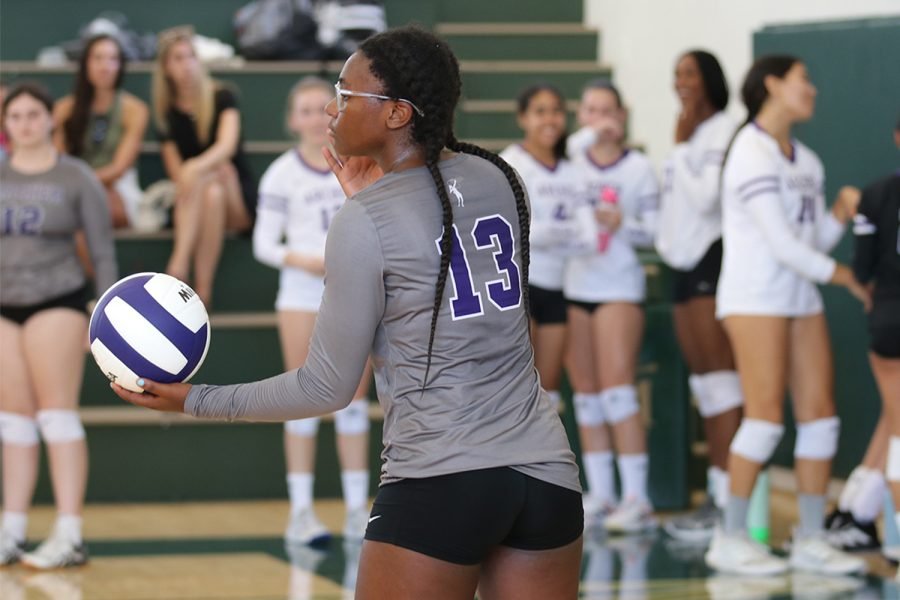
A JV volleyball game typically lasts around one to one and a half hours.
Ever wondered about the time commitment for a junior varsity volleyball match? Understanding how long is a jv volleyball game helps players, parents, and fans plan their schedules. The duration can vary slightly, depending on several factors.
Game length often depends on the number of sets played. A standard match is best of three sets. However, some might play best of five, impacting the total time.

How Long is a JV Volleyball Game?
Okay, let’s dive right into the heart of the matter: how long does a JV volleyball game actually last? It’s a question that pops up a lot, especially for those new to the sport, parents, and even some players themselves! Unlike some sports with set time limits, volleyball games operate a bit differently. The length of a game isn’t determined by a clock ticking down; instead, it’s based on reaching a certain number of points. This means a JV volleyball match can vary in length depending on how quickly teams score and how close the competition is.
Understanding the Structure of a JV Volleyball Game
Before we get into typical time frames, it’s helpful to understand the basic structure of a JV volleyball match. JV, which stands for Junior Varsity, is a level of play typically for younger players in high school, often freshmen and sophomores. Games usually consist of the best-of-three or best-of-five sets format.
Best-of-Three Sets
In this format, the first team to win two sets wins the match. Each set is played to 25 points, but there’s a catch. You have to win by at least two points. So, if the score gets to 24-24, the game keeps going until one team has a two-point lead, such as 26-24, 27-25, and so on. This extra element can really add to the time needed for a game, especially when teams are very evenly matched.
Best-of-Five Sets
The best-of-five format means that a team needs to win three sets to win the match. The first four sets will go up to 25 points, and just like in the best-of-three, a team needs to win by two points. If there is a tie of 2-2 after the four sets, then the fifth set is played to 15 points with the same two-point win rule. This fifth set is often called the “tie-breaker set” because it decides the final winner.
Average Game Time for JV Volleyball
Now, let’s get to the typical time involved. Keep in mind that these are averages, and game length can go shorter or longer based on various factors.
Average Time for a Best-of-Three Match
A best-of-three match usually takes around 45 minutes to 1 hour and 15 minutes. This, of course, is if the sets are won pretty decisively by a team. If teams are really competitive, it might take longer. Some sets might be short if one team really has things going, and others may take a bit more time if they are very close in score. So expect a variable playtime depending on how each set plays out.
- Quick Matches: If sets are quick and one team dominates, a game can be finished in approximately 45 to 50 minutes.
- Standard Matches: A standard competitive match with close scoring will likely last around 60 to 75 minutes.
- Long Matches: If all the sets are close with a lot of rallies, the total time could stretch to about 75 minutes, or even a little longer.
Average Time for a Best-of-Five Match
A best-of-five match is usually going to take longer than a best-of-three match, obviously. This format typically runs anywhere from 1 hour to 2 hours, but could possibly go a little longer. The fifth set, when played, can be short with a 15-point limit or become a bit longer if it gets to those close, point-for-point situations, just like the previous sets.
- Quick Matches: When one team wins three straight sets with little opposition, the match can be around 1 hour.
- Standard Matches: Expect a standard, competitive match to last about 1 hour and 15 minutes to 1 hour and 45 minutes.
- Long Matches: In a very close match where the game goes to five sets and many sets are close, it may even push the 2-hour mark.
Factors Affecting the Length of a JV Volleyball Game
It’s not just the set format that decides how long a game will be. Many things can affect the length. Here are some significant things that can make a match shorter or longer:
Skill Level and Team Experience
The skill level of the teams playing has a big impact. When teams are very skilled, they tend to have fewer mistakes, the games may go a bit faster because points can be scored more quickly. Whereas, teams that are still developing their skills may have more mistakes, which leads to more rallies and longer sets.
- Highly Skilled Teams: These teams typically have fewer errors and end points quickly, leading to quicker sets and a shorter game overall.
- Developing Teams: When teams are less experienced and make more mistakes, the sets can be longer as the back-and-forth rallies go on for a while.
The Intensity of Competition
If two teams are very closely matched, the points may go back and forth quite a bit, meaning the match could take much longer to finish. Each team will really be fighting for each point, leading to close, tense sets. On the other hand, when teams are not that well-matched, then the game tends to move much more quickly with one team scoring faster than the other.
- Close Competition: Each point feels like it is taking a lot longer, with longer rallies and multiple lead changes.
- Lopsided Competition: When one team wins by a large margin, the set will tend to go by faster with the points being scored quicker.
Timeouts and Interruptions
Timeouts are a part of the game. Each team gets a certain number of timeouts to strategize or give their players a quick break. The time taken for these can add to the total match length. Also, unplanned interruptions like injuries or issues with the equipment may also add to the overall game time.
- Regular Timeouts: Each timeout adds some extra time.
- Unscheduled Breaks: If injuries or other issues come up, it will lengthen the match.
Rallies Length
A ‘rally’ is the time between the serve and the end of the play. The longer the rallies, the longer the sets will be. Some teams may try to end a point very quickly, while others may get into a rhythm of long rallies. These long rallies might be some of the most exciting parts of the game, but they do add to the match time.
- Short Rallies: Quicker points and less time.
- Long Rallies: Each point may take a long time, which extends the set.
How To Plan Your Time Based On Game Length
Now that you have a good idea of how long a JV volleyball game can be, you can use this information to plan your schedule as needed. Whether you’re a parent, a friend, or just a volleyball fan, knowing roughly how long a match will take helps you plan your day better.
If you are attending a volleyball game as a spectator, you should always keep in mind there may be some buffer time before the game or after the game, such as warm ups or coach meetings. With all of that taken into consideration, it might be a good idea to plan for extra time just in case a game goes longer than normal.
Other Factors That Can Impact Overall Match Time
While the set structure and game play itself are the primary determinants of match length, there are other contributing factors. These are generally less impactful, but can still play a role in extending or shortening match time:
Warm-Up Periods
Prior to the start of a match, teams have a warm-up period. This time is usually set and doesn’t count against the game itself, but it does add to the overall time commitment. Typically, a warm-up is about 20 to 30 minutes. Arriving early to watch the warm-up can be part of the overall experience.
Transition Time Between Sets
There are often short breaks between sets, where the teams switch sides of the court, take a quick rest, and prepare for the next set. These short breaks can add a few minutes between each set, but are not usually very long.
Referees and Officials
The efficiency of the referees can also have a slight impact. Experienced and quick refs will keep the game flowing, while less experienced or slower officials can add a few extra minutes to the overall time.
Venue Logistics
Sometimes, issues with the venue, like equipment malfunctions or other logistical delays, can impact the starting time and the overall game time. However, these issues aren’t as common in most games.
Key Takeaways for Understanding JV Volleyball Game Length
To recap, here’s what you need to remember about how long a JV volleyball game will last:
- Set Format: Best-of-three matches are shorter than best-of-five matches.
- Average Time: Best-of-three matches usually take 45 minutes to 1 hour 15 minutes, and best-of-five matches usually take 1 hour to 2 hours.
- Multiple Factors Affect Length: Skill levels, competition intensity, rallies length, timeouts, and interruptions impact the overall game length.
- Plan Extra Time: When going to a game, it is always a good idea to plan extra time.
Knowing all of these things will definitely help you have a better understanding of how long you will be at a JV volleyball match. By being knowledgeable about these things, you will better be able to plan your time when attending a match. You will now be better prepared as a spectator, player, or parent to have a better idea of how long a game is going to take.
So, next time someone asks, “how long is a JV volleyball game?” you’ll have the perfect answer for them! You’ll be able to explain that while there isn’t an exact time because there are so many factors involved, there are typical timeframes you can generally expect, and will be able to help others know exactly what to expect!
Rochester at Triton (1-3) – JV Girls Volleyball 🏐 8-26-2024
Final Thoughts
A junior varsity volleyball game typically lasts around one to two hours. This time frame includes warm-ups, the actual match, and any brief intermissions. The number of sets played directly impacts the total game duration.
Generally, a match is best-of-three sets, however, this can sometimes be best-of-five. When teams play more sets, naturally, the game goes longer. That is precisely how long is a jv volleyball game can vary slightly.

