
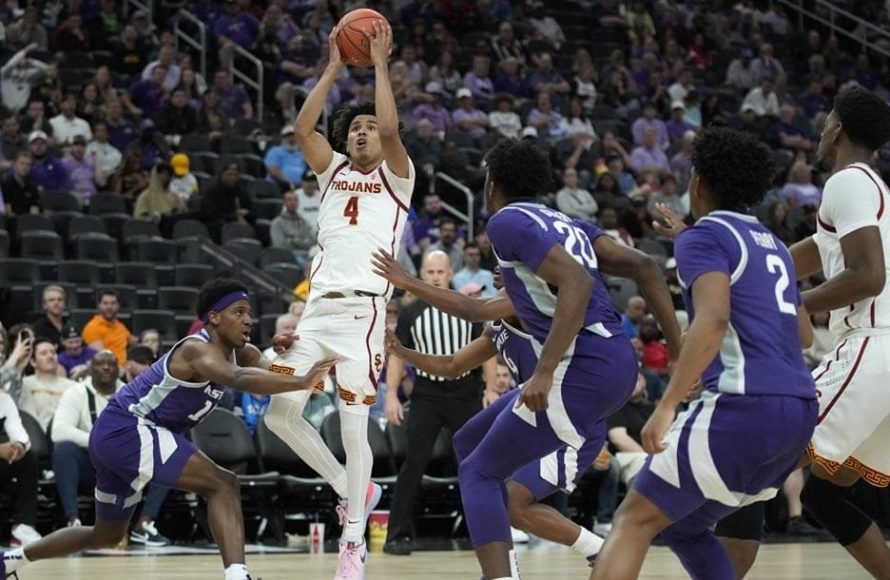
An NCAA basketball game typically lasts around two hours, including breaks and timeouts, while the actual playing time is 40 minutes split into two 20-minute halves.
Ever wondered how long is a ncaa game? It’s a question many people ask, especially if they’re new to college basketball. The game clock only tells part of the story as stoppages for fouls and timeouts are commonplace.
The time flies by when you’re watching the exciting plays, but it’s useful to know the approximate duration of these games. Understanding the overall length helps in planning your viewing schedule.

How Long is an NCAA Game?
Ever wondered how much time you’ll spend cheering during an NCAA game? It’s not always as simple as a set number of minutes. The length of an NCAA game depends on the sport you’re watching. Each sport has its own rules and timings. Let’s dive deep into the specifics of game duration across some of the most popular NCAA sports. We’ll break down the typical length, factors that can make a game longer, and what to expect when you tune in. Understanding these nuances can help you plan your watch parties and know what to expect when you go to see your favorite college teams play live. We will also discuss about the different time management rules and clock stoppages in each sport.
NCAA Football Game Length
NCAA football games have a standard structure, but they’re rarely finished in exactly three hours. A standard NCAA football game has four quarters, each lasting 15 minutes. That’s one hour of game clock time. But, wait, it’s not that simple! Football is a game with many stops and starts. So, while the clock might show one hour of play, the total time you’re at the stadium, or watching on TV, is much longer. Let’s see the things that makes an actual football game duration longer than 60 minutes.
Clock Stoppages in Football
Numerous events cause the game clock to stop in football. These include:
- Incomplete Passes: When a pass isn’t caught, the clock stops.
- Out-of-Bounds Plays: If a player goes out of bounds with the ball, the clock stops.
- Penalties: When a team commits a penalty, the clock stops while the referees decide what to do.
- Change of Possession: Whenever a team gets the ball back (like an interception or punt), the clock stops.
- Injuries: If a player gets hurt, the clock is paused for them to receive care.
- Timeouts: Each team gets several timeouts per half, and they stop the clock.
- Scoring Plays: After each score, the clock is stopped.
- End of Quarter: Between quarters, the clock stops.
All these stoppages add a lot of extra time to the game. That’s why the game often takes around three to four hours to complete.
Overtime in NCAA Football
If the score is tied at the end of regulation, the game goes into overtime. The overtime rules are a bit different from the regular game. Each team gets a chance to score from the opponent’s 25-yard line. They continue until one team scores more points at the end of a round. Overtime can make the game much longer.
Factors Affecting Football Game Length
- Scoring Drives: High scoring games often have more stops, resulting in a longer game.
- Number of Penalties: A game with numerous penalties will have extra stoppages, adding to the game’s length.
- Close Game: Close competitive game often take more time than a one sided game,
- TV timeouts: Television broadcast also have planned commercial breaks, that also increase the length of the games.
While the actual playing time is 60 minutes, the game itself usually extends much longer due to these factors. Plan for at least three hours, but it can easily go longer, especially if the game is close.
NCAA Basketball Game Length
NCAA basketball games also have a specific structure, but, like football, the total time can vary. A standard NCAA basketball game has two halves, each lasting 20 minutes. This means a total of 40 minutes of playing time. However, the game clock doesn’t run continuously. It stops many times during the game, which makes the actual game time much longer than the 40 minutes of playing time.
Clock Stoppages in Basketball
In basketball, the clock is stopped frequently. Here are some common reasons:
- Made Baskets: After every successful basket, the clock stops.
- Fouls: When a foul is called, the clock stops while free throws are taken.
- Timeouts: Coaches can use timeouts, which pause the clock.
- Out-of-Bounds: If the ball goes out of bounds, the clock stops.
- Injuries: Player injuries will stop the clock.
- End of half: End of each half also stop the clock.
These clock stoppages can stretch the total game time beyond the 40 minutes of playing time. Typically, a basketball game will last around two hours to two and half hours, including halftime.
Halftime in Basketball
There’s a halftime break between the two halves. Halftime usually lasts for 15 to 20 minutes. This adds time to the total game length. You’ll need to factor this time in while planning.
Overtime in NCAA Basketball
If the score is tied at the end of the two halves, the game goes into overtime. Overtime in basketball is 5 minutes long. If the score is still tied after the first overtime, additional overtime periods are played until a winner is decided. This can greatly extend the game’s length and overall time.
Factors Affecting Basketball Game Length
- Number of Fouls: Games with many fouls lead to more free throws, thus causing many stops, making the game longer.
- Close Game: A close, competitive game often means more stoppages and a longer duration.
- Timeouts: Teams using a lot of timeouts can also lengthen the game.
- Scoring runs: Teams going on scoring runs also results in clock stoppages that increases the length of the games.
While the playing time is 40 minutes, the numerous clock stoppages and halftime can extend the game’s duration. Plan for at least two hours, but be prepared for games, especially if they go to overtime, to run longer.
NCAA Baseball Game Length
Unlike football and basketball, baseball doesn’t have a time clock. Instead, it has innings. A standard NCAA baseball game has nine innings. The length of each game depends on how fast each team gets three outs in each half of the innings. There is no specific set time duration for baseball games.
Factors Affecting Baseball Game Length
Many things can affect the length of a baseball game. Here are some of the main ones:
- Number of Hits: Games with lots of hits and scoring usually take longer.
- Pitching Changes: Frequent pitching changes can slow down the game.
- Errors: Errors can extend innings, which extends the length of the game.
- Walks: When many players get walks, the game can take longer.
- Close Games: A game that goes back and forth may take a little bit longer than a one sided game.
- Weather Delays: Weather can often cause delays during games which makes game longer than expected.
Baseball games can vary a lot in length. Some might finish in a little over two hours, while others can go for over four hours. It all depends on how many hits, runs, and errors the teams make. There’s no set time duration in baseball, so you have to be prepared to spend a good amount of time if you go to watch any game.
Extra Innings in Baseball
If the score is tied after nine innings, the game goes into extra innings. The teams continue to play until one team has more runs at the end of an inning. Extra innings can make a game significantly longer. This could add more time to the game’s duration.
NCAA Soccer Game Length
NCAA Soccer games are divided into two halves. Each half is 45 minutes long, meaning the regulation time is 90 minutes. There is a short break between the halves, but it does not take much time, usually around 15 minutes. Unlike basketball or football, the clock in soccer usually runs continuously, only stopping for major injuries or for time added on at the end of each half.
Clock Stoppages in Soccer
The clock does not stop as frequently in soccer as it does in basketball or football. Here are a few common reasons for stoppages:
- Injuries: If a player gets injured, the clock is stopped for them to receive care.
- Substitutions: When a player is substituted, the clock is stopped briefly.
- Time added on by referee: The referee can add extra time at the end of each half for stoppages.
These are the main reasons that can cause stoppages in soccer games. Typically, a soccer game will last approximately 1 hour and 45 minutes to 2 hours, including the halftime.
Overtime in NCAA Soccer
If the game is tied after 90 minutes, some games may go into overtime. The overtime rules for NCAA soccer can vary. Some games may have a golden goal rule, meaning the game ends when one team scores first in the overtime period, whereas other games may have two equal overtime periods. If the score remains tied after overtime, the game may go to penalty kicks to determine the winner. All of this can add significant extra time to the game’s length.
Factors Affecting Soccer Game Length
- Number of Stoppages: If there are many injuries or substitutions, it will take more time.
- Extra Time: The referee will always add time on each half for stoppages, making games longer.
- Overtime or Penalty Kick: Games going to overtime or penalty kick will take longer than usual 2 hour time period.
While the actual playing time is 90 minutes, the stoppages, halftime, and potential extra time can make a game last for around two hours or more.
NCAA Volleyball Game Length
NCAA volleyball games are a bit different. Instead of time-based quarters or halves, volleyball uses sets. A match is won when one team wins the majority of sets. In a typical NCAA volleyball match, teams play best-of-five sets. The first four sets are played until one team scores 25 points, while the fifth set (if required) is played until one team reaches 15 points. To win a set, a team must win by at least two points. There are no time limits in sets.
Factors Affecting Volleyball Game Length
Many factors influence the overall length of a volleyball match:
- Number of Sets: Matches going to the maximum of five sets take longer than those finished in three sets.
- Length of Sets: Some sets are quicker while other sets can go long due to tie scores or rally scores.
- Timeouts and stoppages: Frequent timeouts and stoppages can cause matches to be longer.
- Close matches: Very close matches take longer duration than one sided matches.
Volleyball game lengths can vary a lot. Some matches might take around one hour to complete if finished in three sets, while others might take over two hours if they go to five sets, depending on the scoring and length of each set.
Understanding the different game structures and how they are managed can help you plan your viewing or attendance at NCAA sports games better. Each sport has its own unique pace and can provide different thrilling experiences! Plan accordingly, cheer loudly, and enjoy the games!
NCAA 25 Road to Glory is Mid #NCAA #NCAA25 #roadtoglory #botupnext
Final Thoughts
The typical NCAA basketball game lasts approximately two hours, including the four 10-minute quarters and halftime. However, factors like timeouts and fouls often extend the total time. It’s important to note these interruptions can vary the game duration.
So, how long is a ncaa game, you might ask? While scheduled for two hours, it’s not uncommon to see games run closer to two and a half hours. Be prepared for slight variations based on the particular matchup.

