
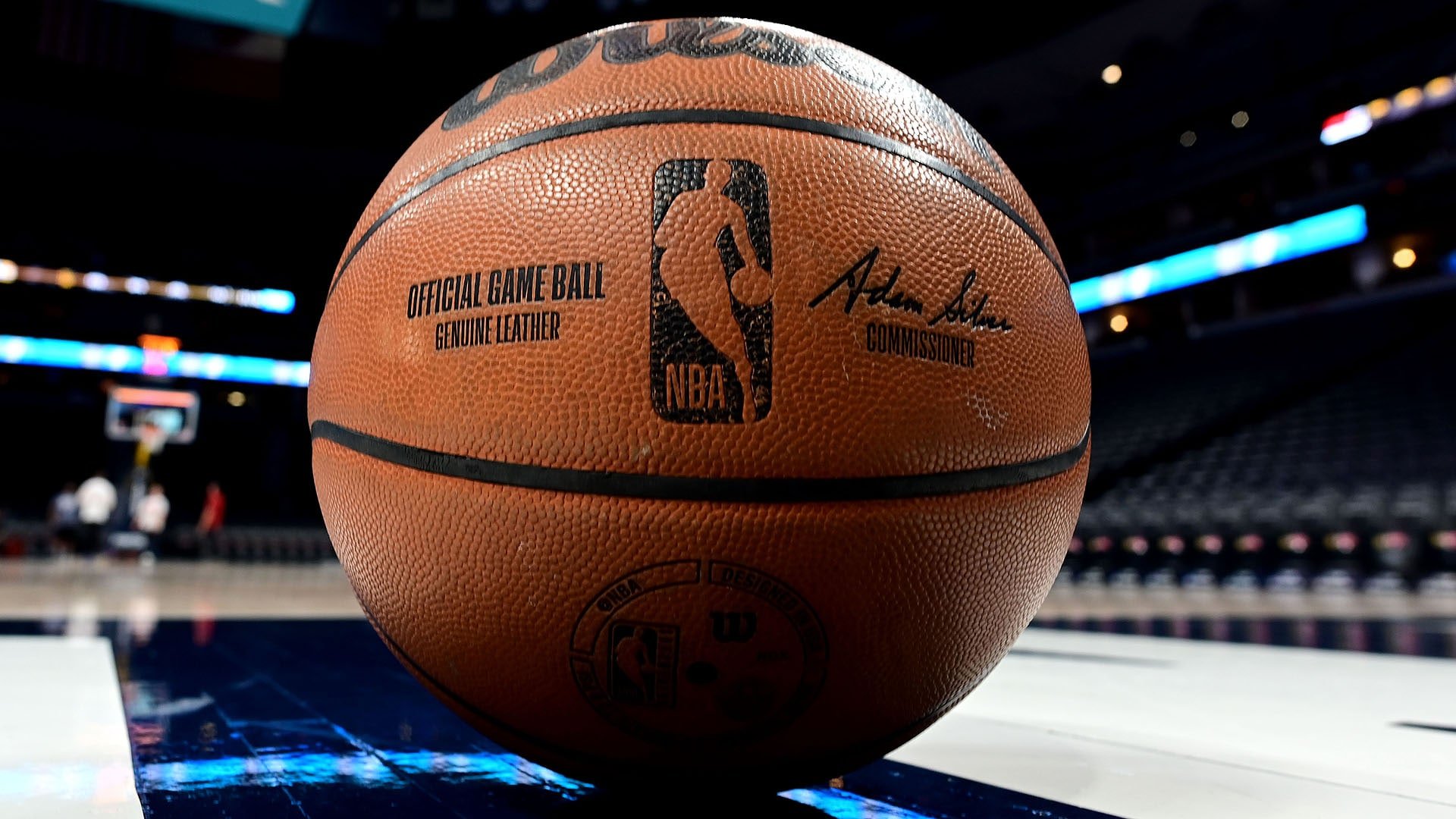
A standard playoff basketball game typically lasts around 2 to 2.5 hours.
Ever wondered how long you’ll be glued to the screen during those intense playoff matchups? It’s a common question, especially when scheduling your evening around the game. The energy of the playoffs is undeniable, but knowing the time commitment is key.
So, exactly how long is a playoff basketball game? Well, while the official playing time is always 48 minutes, the actual duration can vary due to timeouts, halftime, and other stoppages. Plan accordingly!

How Long is a Playoff Basketball Game?
Let’s dive deep into the exciting world of playoff basketball and figure out just how much time you should set aside when tuning in for a game. It’s not as simple as a set number, as a lot of things can affect the actual clock. We’ll look at all the important parts that play a role in determining the length of a basketball playoff game. From the standard playing time to all the little breaks and delays, we’ll make sure you know what to expect. So, grab your jersey and get ready to learn all about the duration of a playoff basketball game.
The Standard 48 Minutes: The Core of the Game
At its heart, a playoff basketball game, whether it’s in the NBA, WNBA, or even college-level tournaments, has a set playing time. Think of it as the main course of your basketball feast. This core time is divided into four equal periods, each lasting 12 minutes in the NBA and WNBA. In college basketball, each half runs for 20 minutes.
NBA & WNBA: Four 12-minute quarters totaling 48 minutes of game time.
College (NCAA): Two 20-minute halves totaling 40 minutes of game time.
It’s important to understand that this is playing time. It doesn’t include all the other moments, like timeouts, stoppages for fouls, halftime, and the time it takes to review plays. The clock is only running when the ball is in play. This means the actual time you spend watching a basketball game is usually much longer than the standard playing time. It is the actual game clock we’re talking about here, which is an important distinction.
Halftime: A Short Break in the Action
Right in the middle of the game, there’s a halftime break. This is when the players can rest, the coaches can give their pep talks, and you can grab a snack or head to the bathroom. Halftime usually lasts around 15 minutes in the NBA and WNBA. College games have a shorter halftime, usually 10-15 minutes long. While it isn’t game time, it is part of the total time you’re committing to watching a game. Halftime gives everyone a chance to regroup.
Timeouts: Strategic Pauses
Teams can call timeouts during the game. These short breaks are super important for strategy. Coaches use them to adjust the game plan, and players use them to catch their breath. The length of a timeout can vary, but usually lasts from 60-90 seconds. In the NBA, teams get around seven full timeouts, plus a couple of 20-second timeouts. In college, they have fewer and shorter timeout breaks. This is a large contributor to the overall time of a game. These add to the total time, so they must be considered when calculating how long a playoff game could last.
Types of Timeouts
There are a few different types of timeouts, and they add up over the course of a game.
Full Timeouts: These are the longer timeouts that teams can use, often lasting around 60 to 90 seconds. They’re very important for strategy.
20-Second Timeouts: Some leagues, like the NBA, have shorter timeouts that are less than a minute. They often use these to advance the ball in the later stages of the game.
Media Timeouts: These are special timeouts scheduled by the league or networks for television commercials. These usually occur at specific points, like the first dead ball after a certain number of minutes or at the end of a quarter.
Fouls and Stoppages: When the Clock Pauses
When a player commits a foul, the game clock stops until the situation is resolved, whether that means free throws or a change in possession. The number of fouls in a game can vary widely, which affects the overall time significantly. There are many types of fouls. Some are more severe than others. Sometimes the game might stop for a technical foul, too.
Personal Fouls: A player makes illegal contact with another.
Shooting Fouls: When a player is fouled while shooting, this often results in free throws.
Technical Fouls: These are for unsportsmanlike behavior or violations.
Flagrant Fouls: These are the most serious fouls and carry penalties.
Possession: When the ball goes out of bounds or the ball goes to a different team.
These fouls and stoppages can add a noticeable amount of time to a game. Some games will have a lot of stoppages, and some games will have fewer.
Instant Replay: Taking a Closer Look
Technology now plays a big role in basketball. Officials use instant replay to review close calls, and this can add time to the overall length of the game. While instant replay ensures fairness and accuracy, these reviews can pause play for a few minutes. It’s a crucial part of the game, though, to ensure a correct outcome.
Reviewable Plays
Here are the types of plays officials can review:
Boundary Calls: Checking if a player was in bounds or out of bounds
Shooting Fouls: When a player is fouled while shooting a basket
Clock Malfunctions: When the time on the clock isn’t correct
Out of Bounds: When the ball goes out of bounds
Goaltending or Basket Interference: Checking if a player interfered with the ball legally
Whether a shot was made before the shot clock expired
The number of reviews in a game can vary greatly, so this is another factor that influences how long it takes to finish a game. It does slow things down but ensures everything is fair.
Overtime: When the Game Goes the Distance
Sometimes, the score is tied at the end of regulation. Then, the teams head into overtime! Overtime periods are five minutes long in both the NBA and college basketball. If the game is still tied after the first overtime period, they will go into another overtime period. In college, this repeats until a winner is decided. In the NBA, there are unlimited overtime periods until a winner is declared. So, if a playoff game goes into overtime, be prepared to add extra time onto your watch time.
Variations Across Leagues: NBA vs. College
It is important to know the differences in game length between different leagues. This will help you plan your time and expectations for how long the game will be.
NBA and WNBA
Quarters: Four 12-minute quarters.
Halftime: Usually around 15 minutes.
Timeouts: Multiple timeouts and shorter timeouts.
Overtime: Five-minute periods.
College Basketball (NCAA)
Halves: Two 20-minute halves.
Halftime: Usually around 10 to 15 minutes.
Timeouts: Fewer and shorter timeouts compared to the NBA.
Overtime: Five-minute periods.
Overall Time: Generally shorter than NBA or WNBA games.
The length of game can differ and it is useful to know the differences. Each league has their own style.
Average Total Length of a Playoff Game
Now that we’ve covered the different components of a game, let’s get to the main question: How long do playoff games actually take? While the actual playing time is fixed, the total time from tip-off to final buzzer can vary. On average, an NBA playoff game takes about 2 to 2.5 hours to complete. College playoff games typically range from 1.75 to 2.25 hours. There are some specific games that last shorter than the average time, and some games that extend much longer than the average time. Here are the average total time.
NBA Playoff Game: 2 to 2.5 hours
WNBA Playoff Game: 2 to 2.5 hours
College Playoff Game: 1.75 to 2.25 hours
Keep in mind this is just an average time frame. A game can be shorter if there are fewer fouls or timeouts. A game could be much longer if there are a number of instant replay reviews, multiple overtimes, or an abundance of fouls called.
Factors Affecting Game Length: Digging Deeper
Let’s take a closer look at some of the things that can cause the length of a playoff game to vary greatly. Some of these have already been mentioned, but let’s review how they actually impact the overall timing.
Number of Fouls: More fouls usually mean more free throws, which makes the game take longer, as the game clock stops for every single free throw.
Number of Timeouts: If teams use all of their timeouts, it adds more pauses and more time. This means they get a chance to rest, which can have an impact on the total length of the game.
Instant Replay Reviews: A large amount of play reviews can add an extra 10 to 15 minutes (sometimes more) to the game, depending on how many stoppages there are and the complexity of the reviews.
Overtime: This is the main game extender. One overtime is an extra five minutes of game time, and games can sometimes have multiple overtimes.
Pace of Play: Some teams play faster than others, which can sometimes make the game length vary. However, the clock stopping and starting for every play still makes this difference minimal.
Blowouts: If a game is a blowout and not close, sometimes teams won’t use all of their timeouts. This could make the game shorter than average.
These are all the things that can affect the total length of the game you are watching. These are important to keep in mind when you try to predict the timing of a basketball game, because there are always unforeseen circumstances.
Tips for Planning Your Playoff Game Watching Schedule
Now that you know the various factors influencing the length of a playoff basketball game, here are some tips to help you plan accordingly.
Add Buffer Time: Always add extra time to your schedule. It is always best to plan for the game to go longer than you might expect.
Check the Schedule: Make sure you check the game times before they happen, especially if they are being broadcasted in different time zones.
Be Flexible: Keep your schedule flexible because games might run longer than you expect, especially if there are overtimes.
Prepare Snacks and Drinks: It is best to be prepared. Have your snacks and drinks ready so you can be sure to watch the game uninterrupted.
Check for TV Coverage: Know the start and end time for TV coverage because sometimes it may include pre-game or post-game segments that also factor into time.
Be Ready for Anything: Remember that any game can have unexpected stoppages, and be ready for anything when watching.
Understanding the game and planning ahead ensures you can enjoy a playoff game from beginning to end.
Playoff basketball games offer so much excitement and drama, and knowing how long they might take helps you prepare for a full experience. While the core playing time is consistent, the added elements of timeouts, fouls, replay reviews, and potential overtimes mean that the actual time you spend watching a game can vary. So, make sure you have those snacks ready and settle in, and get ready for the excitement of playoff basketball! It’s always a great experience, so make the most of it.
2022 NBA Playoff Format Explained – Play-in Tourney & Schedule
Final Thoughts
So, how long is a playoff basketball game? Expect roughly 2.5 hours to pass, though variations occur. This includes the four 12-minute quarters and associated timeouts.
Overtime adds time to the game, extending the duration significantly. Play stoppages, reviews and other factors influence the final timeframe.
Therefore, while you can plan for around 2.5 hours, ‘how long is a playoff basketball game’ is not a hard and fast rule, as game events impact the length.

