
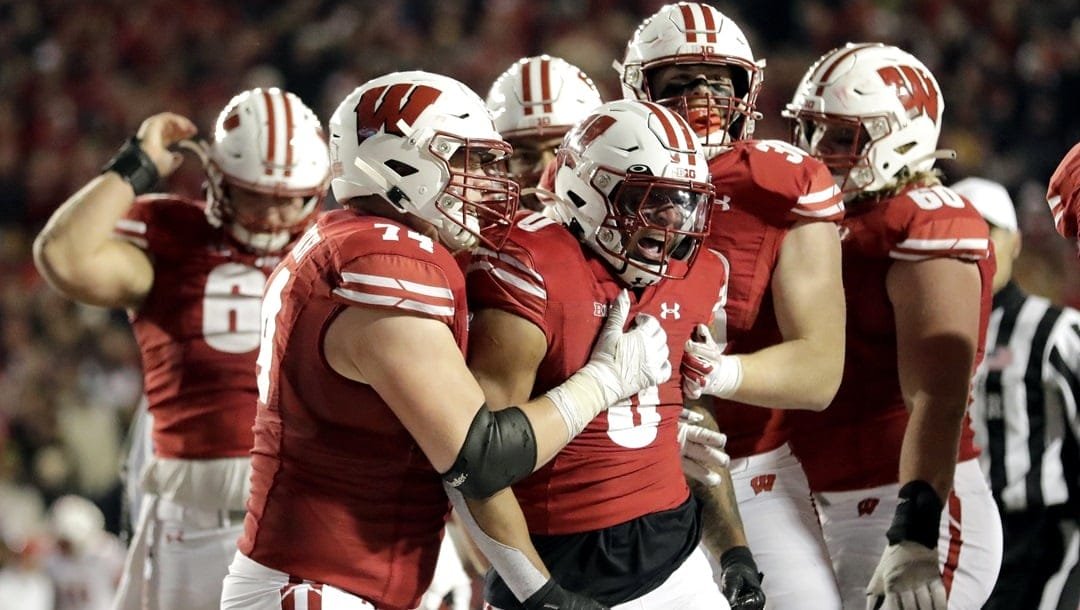
A typical college football game lasts approximately 3 to 3.5 hours.
Ever found yourself wondering just how much time you need to set aside for that big game? Or perhaps you’re trying to plan your Saturday around watching your favorite team? The question of how long is a typical college football game often comes up, and it’s a valid one.
Understanding the duration helps with planning tailgates, viewing parties, or even just making sure you’re not late for other weekend commitments. The time involves more than just the on-field action. Let’s get into the details.

How Long Is a Typical College Football Game?
Alright, let’s dive into the nitty-gritty of college football game length. You know, you settle onto your couch or into those stadium seats, ready for some awesome football action. But have you ever wondered exactly how long you’ll be there? It’s not as simple as a straight ‘three hours’ or ‘four hours’. The actual time a college football game takes can vary depending on a few key things. We’re going to break it all down so you know what to expect before kickoff. From clock rules to television timeouts, we’ll explore everything that influences how long you’ll be cheering on your favorite team.
The Standard Game Clock
At the core of every college football game is the game clock. The official playing time is 60 minutes, split into four 15-minute quarters. Seems simple enough, right? Well, like many things, there’s more to it than meets the eye. It’s not just 15 minutes of continuous football action, far from it! The clock stops for a bunch of reasons, which is where the extra time comes from.
Clock Stoppages
These stoppages are what really extend the game’s overall duration. Here’s a look at why the clock stops during a college football game:
- Out-of-Bounds Plays: When a player runs out of bounds with the football, the clock stops. It restarts when the ball is snapped for the next play.
- Incomplete Passes: An incomplete pass also stops the clock until the next play begins.
- Change of Possession: After a turnover (an interception or fumble), the clock stops. This allows the teams to set up for their next offensive or defensive series.
- Penalties: When a penalty flag is thrown, the clock stops while the referee discusses the penalty and steps are taken to move the ball.
- Injuries: If a player gets hurt, the clock stops to allow medical staff to attend to the player.
- Timeouts: Each team gets a certain number of timeouts per half. When a timeout is called, the clock stops until play resumes.
- Scoring Plays: After a touchdown or field goal, the clock stops for the extra point or kickoff.
All these factors contribute to the “dead time” in a game, making the overall length much longer than 60 minutes.
Television Broadcasts and Commercials
One of the biggest reasons why college football games take longer than the 60 minutes of playing time involves television. TV networks want to show commercials, which are a big source of money. These commercial breaks are scheduled throughout the game, adding significant time.
Typical Television Commercial Breaks
- Between Quarters: There are commercial breaks between each quarter. These are usually the longest.
- After Scoring Plays: After a touchdown or field goal, there’s almost always a commercial break before the extra point or kickoff.
- During Timeouts: Networks will often try to squeeze in a commercial when a timeout is called.
- Other Stoppages: Even if the clock is stopped for other reasons (like a penalty or injury), networks might take the opportunity to run a quick commercial.
These breaks can really add up, turning what looks like a simple 60-minute game into a three to four-hour event. The length of commercial breaks is something networks carefully manage for advertising reasons. So, if you’re wondering why your favorite team’s game is taking so long, television is a major factor.
Halftime
The game includes halftime, a longer break that occurs between the second and third quarters. It is usually scheduled for about 20 minutes. This is different from the breaks between the other quarters, which are usually short (a couple of minutes at most). During halftime, there are often marching band performances, special events, and other fan engagement activities. It also gives players time to rest and coaches time to adjust strategies. This halftime break contributes to the game’s total duration, of course.
Overtime in College Football
What happens when the clock reaches 0:00 at the end of the fourth quarter and the score is still tied? In college football, they use an overtime system that differs from the NFL. This overtime adds to the overall game length. The college overtime rule is designed to keep overtime relatively short by ensuring both teams get at least one possession.
How College Football Overtime Works
- Both Teams Get a Possession: In the first overtime period, both teams get a chance to try and score from the opposing team’s 25-yard line.
- Scoring Rules: If a team scores a touchdown, they must also attempt an extra point (kick or two-point conversion). If they only score a field goal, the other team gets to have an equal chance to match or beat that score.
- Sudden Death: If both teams score a touchdown and an extra point in the first overtime, it moves on to a second overtime and so on. After a few overtimes, teams are forced to go for two-point conversions after scoring touchdowns. The game continues until one team wins.
The possibility of overtime can really extend the game’s length. It’s not uncommon for a tight matchup to go into multiple overtimes, adding another 30 minutes or more to the game’s duration. The length of overtime is unpredictable because it depends on how evenly matched the teams are.
The Impact of Game Pace
Different teams play with different paces, which can affect how long a game takes. A team that tends to run a lot of plays with a fast pace and shorter gain will often run down the game clock in a greater way. Whereas a team that tends to rely on longer passing plays or a slower and methodical style will run the clock down to a lower degree.
Factors Affecting Game Pace
- Offensive Style: Teams that use a run-heavy offense tend to chew up more clock between plays than pass-focused offenses, that frequently stop the clock.
- Team Philosophy: Some teams emphasize controlling the clock, while others are more focused on fast scores.
- Game Situation: If a team is leading, it may try to run the clock down. If a team is losing, it may try to get plays off quickly and stop the clock more.
Ultimately, the style of play of both teams plays a role in game length. A high scoring game tends to have more stoppages. And a game that features more running plays with less pass attempt will have fewer stoppage.
Game Length Variance
All these factors contribute to the fact that every college football game varies a bit in its total length. The average game takes about three and a half hours, but this is just a guideline. It’s not uncommon for games to run closer to three hours or closer to four hours.
Factors Contributing to Shorter Games
- Blowouts: Games where one team dominates often have fewer close scoring situations and penalties. The leading team might run a greater degree of running plays, which uses up the clock more quickly.
- Few Stoppages: Games with fewer incomplete passes, penalties, and injuries tend to move more quickly.
Factors Contributing to Longer Games
- Tight Matchups: Games that are closely contested with many lead changes often result in more clock stoppages.
- Lots of Scoring: Games with numerous touchdowns and scoring plays tend to have more stoppages and take more time.
- Overtime: As mentioned earlier, if a game goes into overtime, the length extends significantly.
So, if you are planning on going to the stadium to watch a college football game, keep in mind that game length varies from game to game. The average of three and a half hours is just that, an average. Expect that your game may go shorter than three hours, or it may be a long one, extending closer to or even more than four hours.
Historical Trends in Game Length
College football game length has evolved through the years. In the past, games were generally shorter because they had fewer television timeouts and less emphasis on commercial breaks. As television became an integral part of the game, game lengths grew to accommodate commercial demands.
How Television Influenced Game Length
- Increased Commercials: Networks began to increase commercial breaks for revenue.
- More Media Coverage: With greater media coverage, networks wanted to maximize their time.
- Sponsorship Opportunities: Television created more sponsorship opportunities.
The evolution of television and commercial needs are mainly responsible for the overall growth in college football game lengths. While the game itself has stayed consistent with its four quarters, television and other modern-day needs have changed how much time a game actually takes to play.
Planning Your Day Around a College Football Game
Now that you have a good idea about how long a college football game is, you will have an easier time planning your day around watching one. If you’re going to a game, factor in time for travel and parking, too. And don’t forget to have some extra time on the end just in case your game goes into overtime or ends up being a longer game overall. If you are watching the game at home, plan to be occupied for an average of three and a half hours and don’t schedule anything right after you expect your game to be over just in case it goes long.
Tips for Planning Your Football Day
- Estimate 3.5-4 hours: Plan for an average of three and a half hours for any game. But keep in mind that games may be longer or shorter.
- Check Game Start Time: Double-check your game’s starting time, because they can be different depending on the day and television needs.
- Add Travel Time: If you are going to the stadium for the game, remember to factor in travel time, parking, and getting through the gate.
- Be Prepared for Overtime: Know that the possibility of overtime can add extra time, so plan for that.
- Have Snacks Ready: Don’t forget to have food and drinks available, whether you’re at the stadium or at home.
A little bit of pre-planning can make your football watching experience that much better. Knowing what to expect regarding the length of the game is a really important aspect of being prepared to enjoy watching any college football game.
Ultimately, a typical college football game is a bit of an unpredictable experience, lasting anywhere from about three to four hours, but now you know why! From the official 60 minutes of gameplay, to TV timeouts, halftime, and the potential for overtime, a lot happens during a game that influences the time spent watching. The next time you sit down to enjoy a game, you’ll have a good handle on what to expect when it comes to its overall length and how the different factors can influence its time.
Buzz Flabiano isn’t your typical kicker 😅 #shorts
Final Thoughts
A typical college football game lasts approximately three hours. This includes four 15-minute quarters, halftime, and various timeouts. The clock often stops, adding to the game’s overall duration.
Variations exist; overtime or numerous penalties can extend the game. How long is a typical college football game ultimately depends on the flow of the specific matchup. Therefore, plan for about three hours.

