
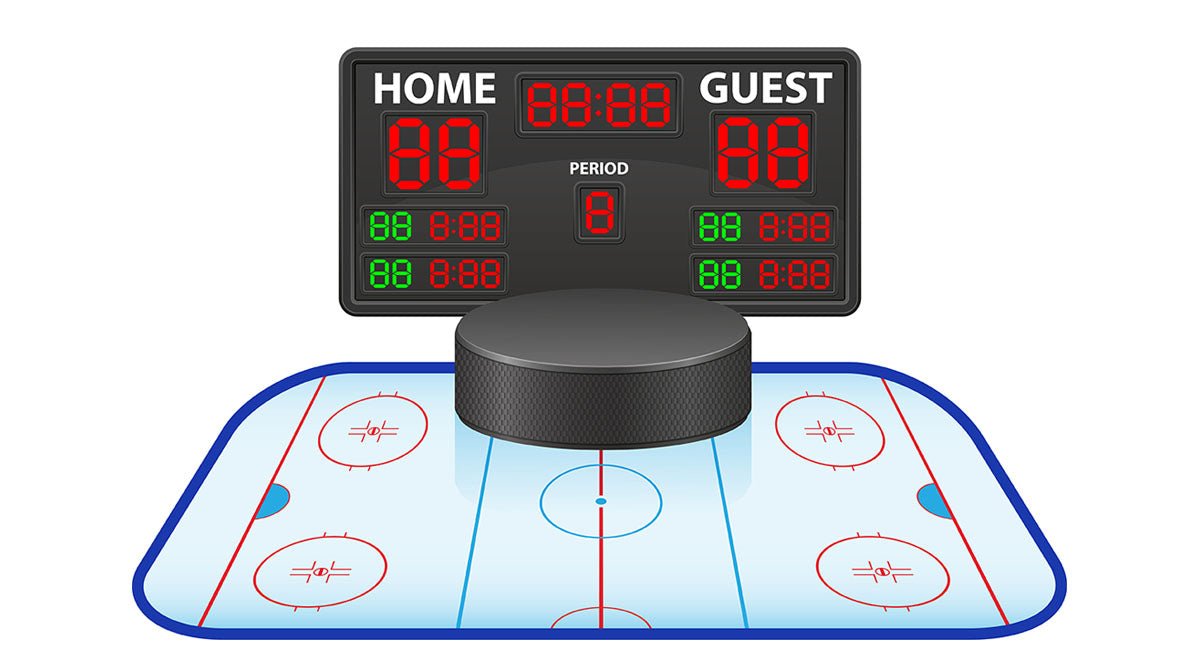
A typical hockey game lasts for 60 minutes of playing time, divided into three 20-minute periods.
Ever found yourself wondering, how long is a typical hockey game? It’s a common question for newcomers to the sport and even seasoned fans sometimes need a refresher. The fast-paced action and constant shifts can make it feel longer or shorter than it actually is.
Beyond the standard 60 minutes of play, there are also intermissions between periods. These breaks add time to the total game length. These intermissions allow for players to rest and for the ice to be resurfaced.

How Long is a Typical Hockey Game?
Ever sat on the edge of your seat, cheering on your favorite hockey team, and wondered, “When is this game going to end?” You’re not alone! A hockey game might seem like it goes on forever, but there’s actually a pretty standard length. Let’s explore the exciting world of hockey and find out just how long a typical game lasts.
The Basics: Periods and Intermissions
A regular hockey game is divided into three main parts, called periods. Each period is 20 minutes long, but this is just the time the clock is running! There are breaks in between, which adds to the total time of a game. These breaks are called intermissions. Think of them like halftime in other sports, where the players get a break to rest and get ready for the next part of the game.
Standard Game Time
So, let’s break it down: three 20-minute periods. That’s a total of 60 minutes of play. If you had a super speedy clock that only counted the time when the puck was moving, a hockey game would be 60 minutes long. But, this isn’t how real games work!
The clock in a real hockey game stops frequently for various reasons. These reasons are things such as pucks going out of play, penalties are called, goals are scored, and during stoppages when a player is injured. So, while the actual time spent playing is 60 minutes, the total time from the starting whistle to the final buzzer of a game is significantly longer.
Why Games Run Longer Than 60 Minutes
You might think, “Okay, so 60 minutes of playing time and then it’s over.” But, hockey games usually take much longer to finish. This is because of all the stoppages. The clock doesn’t run continuously like it does in some other sports. Let’s look at the main reasons for stoppages:
- Pucks Leaving the Ice: When the puck is shot over the glass and goes out of play, the game stops.
- Penalties: If a player breaks the rules and gets a penalty, the clock stops.
- Goals: When a team scores a goal, there is usually a short pause for a celebration and face-off.
- Injuries: If a player gets hurt, the game stops so they can get help.
- Television Timeouts: In professional games, there are timeouts during the game that also stop the game clock to give television breaks.
- Intermissions: The breaks between the periods are usually 15-18 minutes.
All of these stoppages, especially in professional hockey, make the total length of a game much more than 60 minutes.
The Impact of Intermissions on Game Length
Intermissions are an important part of a hockey game. They give players time to rest and for teams to make changes to their strategies. There are two intermissions in a standard game, occurring after the first and second periods.
Each intermission is typically 15-18 minutes long in professional hockey leagues like the NHL. This time isn’t included in the 60 minutes of playing time, so it adds to the total length of the game. In youth leagues, intermissions might be slightly shorter.
Typical Game Timing Breakdown
Let’s look at a basic breakdown of a professional hockey game in the NHL. Keep in mind that some games may be shorter or longer:
- First Period: 20 minutes of actual playing time.
- First Intermission: 15-18 minutes.
- Second Period: 20 minutes of actual playing time.
- Second Intermission: 15-18 minutes.
- Third Period: 20 minutes of actual playing time.
Using this breakdown, a typical professional hockey game will last approximately 2 hours and 30 minutes, but it is most common for the games to go over 2 hours and 30 minutes.
Overtime and Shootouts: Extending the Game
Sometimes, a hockey game is tied after the three periods. When this happens, the game goes into overtime! Overtime means that a team will continue playing until a team scores. If a team scores, they win the game. In the NHL, the overtime period in the regular season is usually 5 minutes, but it can be longer or shorter in other leagues. If no goal is scored during the overtime period in the regular season, a shootout is held. In a shootout, players from each team take turns shooting at the opposing team’s goalie. The team that scores the most goals in the shootout is the winner. Shootouts aren’t a part of playoffs.
During the playoffs, there are no shootouts, and overtime periods are longer at 20 minutes per overtime period, and the teams keep playing overtime periods until a team scores and wins the game. Overtime can make a game go on much longer than the average time.
The Variable Nature of Game Length
It’s important to understand that there isn’t an exact set time for how long a hockey game lasts. There are many different elements that affect how long a game may go, such as:
- Number of Penalties: More penalties mean more stops and slower playing time.
- Number of Goals: Frequent goals will require short stoppages after each goal.
- Injuries: If there are any injuries, the game is stopped for longer periods of time.
- Television Commercials: Depending on television coverage, there may be added timeouts for commercial breaks.
- Overtime: If the game goes into overtime, it will significantly increase the total time of the game.
- Different Leagues: Professional leagues like the NHL may have different rules and intermissions times compared to the AHL, ECHL, junior leagues, college leagues, and youth leagues.
Differences in Game Length Across Leagues
While the basic structure of a hockey game (three 20-minute periods) is generally the same, there can be differences in game length between different leagues.
Professional vs. Amateur
Professional leagues like the NHL typically have stricter timekeeping and are more likely to have longer games because of television timeouts and the high number of stoppages. Amateur leagues, like youth hockey leagues, may have shorter intermissions and fewer stoppages, so the overall games are typically shorter.
Youth Hockey
Youth hockey games are usually shorter than professional or even college games. These games are often shorter to accommodate younger players with shorter attention spans and less physical endurance. There can be different length of game periods depending on age.
For example, some youth leagues might have 12- or 15-minute periods instead of the standard 20 minutes. They might also have shorter intermissions, and they are less likely to have television timeouts.
College Hockey
College hockey games are usually similar in length to professional games. They have three 20-minute periods, 15-18 minute intermissions, and they could have overtimes. Although they are less likely to have added timeouts for television, games can still typically last for around two and a half hours or more.
International Hockey
International hockey competitions, like the Olympics or World Championships, also generally use the standard format of three 20-minute periods with 15-18 minute intermissions. There may be some variations in how strict or frequent stoppages occur, but the general length is similar to professional hockey. In the playoffs of international games, overtime is often at 20 minute periods until a goal is scored.
Factors That Can Extend a Game
Beyond the basic rules and intermissions, there are other things that can make a hockey game go much longer. Some of these factors are:
- Playoff Games: Playoff games can be long because of overtime periods, and teams can play many overtime periods until a goal is scored.
- Reviewing Goals: Referees sometimes have to review goals on video to make sure the puck crossed the goal line legally. This can add a few minutes to the game length.
- Extensive Injury Stoppages: If a player is seriously hurt, it takes more time for the medical staff to attend to them and get them safely off the ice, which increases the game’s length.
Average Length of a Hockey Game: A Quick Recap
So, after all that, what’s the typical length of a hockey game? Here’s a quick summary:
- Actual playing time: 60 minutes (three 20-minute periods).
- Intermissions: Two 15-18 minute breaks.
- Total game length: Usually around 2 hours and 30 minutes to 3 hours, but it can be longer or shorter depending on the factors above.
- Overtime: Can significantly add to the game length (especially in playoffs).
While the games are a bit long, most fans don’t mind because of the exciting, fast-paced action. So, next time you’re watching a hockey game, you’ll know why it takes longer than just 60 minutes to finish!
In conclusion, while the actual playing time in a hockey game is 60 minutes, the total game length is considerably longer because of stoppages, intermissions, and potential overtime. This can extend the game to over two and a half hours, sometimes even longer, but this added time makes the games more interesting.
How Long Is The Average Hockey Game? Best Game Length Guide
Final Thoughts
A typical hockey game, excluding intermissions and potential overtime, lasts 60 minutes. This time is split into three 20-minute periods. The clock stops during play stoppages which extends the actual time spent at the arena.
Intermissions between periods add more time. They typically last around 15-18 minutes. Therefore, a standard hockey game, from start to finish, will usually run approximately two and a half to three hours.
So, how long is a typical hockey game? The game clock itself shows 60 minutes of play but with intermissions and stoppages, it often stretches closer to 3 hours.

