
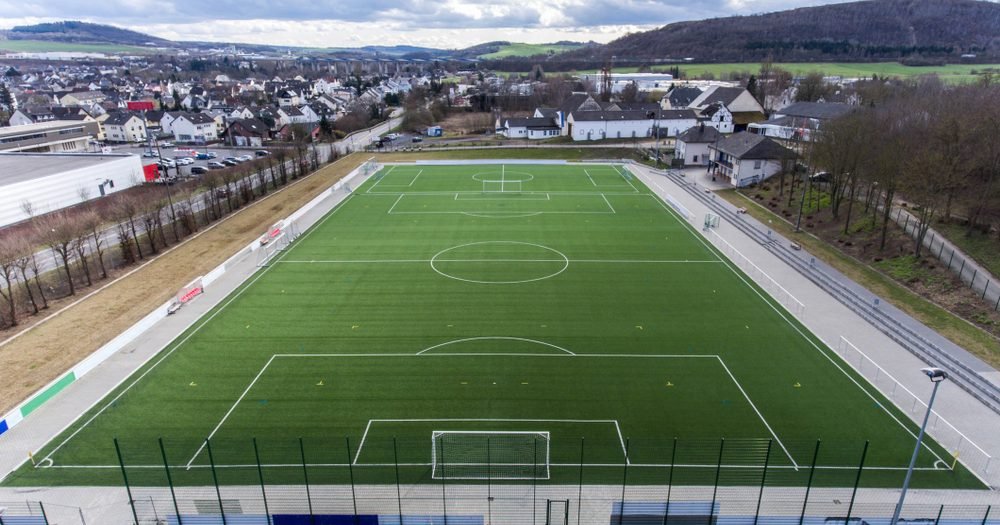
A U8 soccer game typically lasts 40 to 50 minutes, divided into two halves.
Picture this: tiny cleats pounding the field, a flurry of little legs chasing after a ball. If you’re new to the world of youth soccer, you might be wondering, how long is a U8 soccer game? It’s a common question for parents and new coaches alike.
The game length is tailored for the attention span of young children and also to prevent overexertion. This makes the games enjoyable and age appropriate.

How Long is a U8 Soccer Game?
Alright, soccer fans! If you’ve got a little one suited up and ready to play some U8 soccer, you’re probably wondering, “How long will this game actually be?” It’s a great question, and knowing the answer can help you plan your day – and maybe even pack the right amount of snacks! Unlike professional soccer games that stretch for a full 90 minutes (plus extra time!), U8 soccer games are designed to be shorter and sweeter, perfect for younger players with shorter attention spans and lots of energy to burn. Let’s dive into the specifics and find out everything you need to know about the length of a U8 soccer match.
Understanding U8 Soccer
Before we get to the exact timing, let’s quickly recap what U8 soccer is all about. U8 soccer is usually for kids who are seven or eight years old. It’s a time to focus on learning the basics and, most importantly, having fun! The rules are often modified for this age group to make the game simpler and more enjoyable. For instance, the field might be smaller, and the number of players on the field at once might be fewer compared to older age groups. The key word for U8 is development. They’re learning to pass, dribble, and understand the concept of teamwork. It’s not about winning at all costs, it’s about growing a love for the game.
Typical U8 Game Duration
So, how long is a U8 soccer game? The most common answer you’ll find is that a U8 soccer game is typically made up of two halves, each lasting 25 minutes. This means the total game time usually adds up to about 50 minutes. However, this isn’t set in stone, and there may be some variations depending on the league or organization running the matches. Some leagues might use shorter halves, like 20 minutes each, making the game 40 minutes total. It’s always a good idea to check with your specific league or coach to confirm the exact game duration.
Halftime Break
Don’t forget about halftime! Just like in the pros, there’s a break in the middle of the game, known as halftime. The halftime break for U8 games is typically shorter than what you see in professional matches, usually around 5 to 10 minutes. This gives the young players a chance to rest, rehydrate, and get a quick pep talk from their coach. It’s also a good time for a bathroom break or to eat a small snack. Parents can use this time to cheer on their little athletes from the sidelines.
Why the Shorter Game Time?
You might be asking yourself why U8 games are shorter. There are several great reasons for this:
- Attention Span: Young children typically have shorter attention spans. Keeping the games shorter makes it easier for them to stay focused and engaged.
- Physical Stamina: Kids at this age are still developing their physical endurance. Shorter games mean they don’t get overly tired, which helps prevent injuries.
- Focus on Skill Development: By having shorter games, coaches can keep the focus on teaching and developing individual skills, rather than just grinding out long periods of play.
- Keeping it Fun: Shorter games help make the experience enjoyable for everyone. Nobody wants to watch a bunch of tired kids just trudging around the field.
Factors That Can Affect Game Length
While the standard is usually around 50 minutes, some things can cause the length of a U8 soccer game to fluctuate. Let’s take a look at some of these factors:
League Rules and Regulations
Each soccer league or association has its own set of rules. Some might have slightly different durations for game halves or different lengths for the halftime break. Always consult your league’s rulebook or ask your coach for specifics. It’s always best to be prepared!
Weather Conditions
Weather can play a significant part in altering game times. In cases of extreme heat, lightning, or heavy rain, officials might shorten the game or postpone it altogether for the safety of the players. It’s essential to be flexible and understand that weather-related changes are made for the well-being of everyone involved.
Tournament Formats
If your U8 team is participating in a tournament, the game times could be different than regular league games. Tournament organizers may opt for slightly shorter game lengths to accommodate more matches in a single day. It’s always a good idea to check the specific tournament schedule beforehand.
Special Circumstances
Occasionally, there might be unforeseen circumstances that could affect the game length. For example, if there’s a significant injury on the field that requires a long stoppage, that time might be added to the game, or a timeout might be given. These situations are rare, but it’s good to know they can happen.
Breakdown of a Typical U8 Soccer Game
Here’s a summary of what a standard U8 soccer game usually looks like:
- First Half: Approximately 25 minutes
- Halftime Break: Approximately 5-10 minutes
- Second Half: Approximately 25 minutes
- Total Game Time: Approximately 50 minutes (not including any stoppages)
Beyond Game Time: What to Expect
It’s also helpful to consider that a typical “game day” involves more than just the game time itself. You’ll also want to factor in the time for:
- Arrival and Warm-up: Teams usually arrive at least 30 minutes before the game to warm up. This time is important for the players to stretch and get their muscles ready to play.
- Team Talk: Before the game, the coach will usually gather the team for a quick chat to go over their game plan. After the game there will also be a quick talk to address good play and things to work on.
- Post-Game Cool Down: After the game, players might have a quick cool-down period. This helps with muscle recovery.
- Travel Time: Don’t forget to factor in the time it takes to travel to and from the field!
So, while the game itself might be 50 minutes, plan for a more extended time commitment of 1.5 to 2 hours on game day to include all these additional activities.
Tips for Parents
As a parent, being prepared for the soccer season can help both you and your young player enjoy the experience more. Here are a few handy tips:
- Confirm Game Times: Always check the game schedule and verify the game length with your coach or league.
- Arrive Early: Arriving early gives your child time to prepare and prevents stress.
- Bring the Essentials: Pack water, snacks, sunscreen, and a hat. Also, bring a comfortable chair to sit in and cheer your team on!
- Encourage Good Sportsmanship: Remind your child that it’s about having fun and doing their best, not just about winning.
- Be Supportive: Cheering and positive support can make all the difference for a young player.
Keeping it Fun at the U8 Level
Above all, U8 soccer should be a fun experience for the young athletes. The emphasis is on learning and developing their skills, not on winning or losing. Coaches are trained to prioritize teaching, encouragement, and sportsmanship, which creates a positive and enjoyable environment for everyone.
Why Time Management Matters in U8 Soccer
Understanding the time parameters of a U8 soccer game is important for several reasons. For coaches, it helps in planning practice sessions and strategizing game plans. For parents, it helps with scheduling and making sure they are prepared on game day. For the kids, knowing what to expect can help them stay focused and make sure they get the most out of their experience.
Variations in Game Structure: Not Every Game is Exactly the Same
While the 25-minute halves are common, some leagues or organizations might use different formats. You may come across variations that involve:
Shorter Halves
As mentioned earlier, some leagues may opt for two 20-minute halves, for a total of 40 minutes playing time. This might be the case if they have a large number of teams playing on a single day or want to ensure that the children don’t get too tired. This allows more time for breaks and gives children a less strenuous experience, particularly in hot weather.
More frequent breaks
Sometimes, rather than just one halftime break, you might see short breaks within the halves, especially during practices or informal matches. These breaks are designed to give the children a chance to rest and rehydrate. They are often very short, but can significantly help the children maintain energy and focus.
Rolling Substitutions
Unlike older age groups where there are limited opportunities to change players in the game, U8 typically uses rolling substitutions. This means that players can come off and on the field throughout the match, giving more children the chance to play and get time on the field. This also ensures that each child is playing for the recommended time, usually half the game.
Modified Field Sizes
The field sizes and number of players on the field are smaller at U8 level. Usually, a U8 team has a maximum of seven players on the field at any given time and typically the field is much smaller than full sized adult field. This is to help children gain experience on the field more easily and have more time handling the ball.
Benefits of shorter game times for children
It’s important to note that shortening the game time is actually very helpful for young players. These benefits extend beyond just maintaining attention spans. Shorter games help promote better:
- Learning and retention: When games aren’t too long, young players are able to focus on what they are being taught. Coaches often use games to reinforce the skills learned during practice, and if the players are too tired, they are less able to apply that knowledge.
- Physical safety: As mentioned earlier, the shorter game times help prevent fatigue and the risk of injuries. It’s also important to note that many leagues often have rules about how much children can play, to ensure that they don’t overwork themselves during the season.
- Enjoyment of the game: Playing sports should be fun. When young players aren’t overly tired, they are more likely to enjoy being on the field.
The Role of Coaches in U8 Game Timing
Coaches are important for ensuring that the game times are followed. They will monitor the playing time of their players and ensure that all of them get a chance to be on the field. They will also be aware of how long the game should be and make sure that their team is prepared. They also often have a pre-game and post-game routine that they have to fit within the overall schedule.
Final Thoughts on U8 Soccer Game Length
Understanding the duration of a U8 soccer game is important for everyone involved – players, parents, and coaches. While most games are around 50 minutes long, it’s important to always double-check with your league or coach for specific details. Remember, the goal at this age is for kids to develop their skills, learn to work as a team, and have a blast playing the game! With the right preparation and understanding, everyone can have a great experience.
US Youth Soccer Novice Coach U6 U8 How Much Time Ref
Final Thoughts
A typical U8 soccer game lasts for 40 to 50 minutes. The exact duration can vary slightly based on the specific league or association rules. This playtime is usually split into two halves with a short break.
The short length is designed to suit the attention spans and physical abilities of younger kids. Understanding how long is a u8 soccer game helps parents prepare and plan accordingly. It lets everyone enjoy this stage of their soccer journey.

