
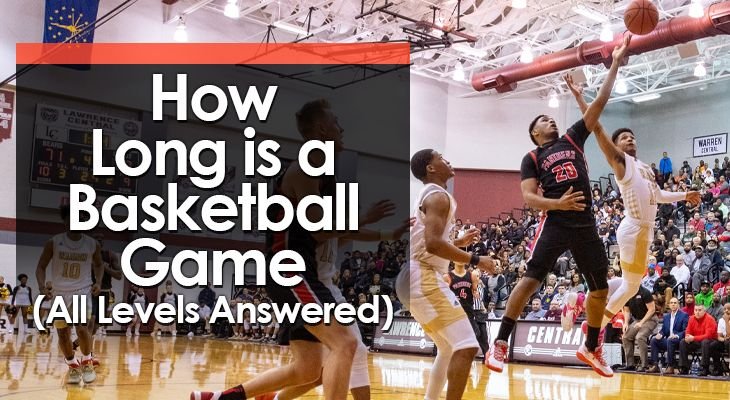
A standard varsity basketball game is 32 minutes long, divided into four 8-minute quarters.
Ever wondered about the clock during those intense high school basketball matchups? The pace, the action, it all happens within a specific time frame. Many ask, “how long is a varsity basketball game?” It’s a common question for both new fans and players alike.
The length actually varies slightly across different levels of play, but for varsity, the standard is consistent. This defined time is crucial for game strategy. It influences everything from substitutions to play calls. Knowing the game’s length helps appreciate the strategy involved.

How Long is a Varsity Basketball Game?
Okay, let’s talk about basketball! You’ve seen those super exciting varsity basketball games on TV or maybe even in your school gym. Players are running, jumping, and shooting hoops, and it all looks like non-stop action. But have you ever wondered, just how long does a varsity basketball game really last? It’s not a simple answer like “exactly one hour” because there are actually different parts to it that add up to the total game time. Let’s dive in and explore the breakdown of a varsity basketball game’s length.
The Core Structure: Quarters and Halves
At the heart of every varsity basketball game is a structure based on quarters and halves. A full game is divided into four equal periods called quarters. In most high school and college varsity games, each quarter is usually 8 minutes long. These are playing time, not including stoppages.
Halftime Break
Right in the middle of the game, after the second quarter is finished, there’s a break called halftime. This break lets the players rest and coaches discuss strategy. Halftime in varsity basketball games is typically 10 to 15 minutes long. This can vary sometimes based on league and tournament rules.
Understanding the Stopwatch: What Stops the Clock?
Now, here’s where things get a little more interesting. The 8-minute quarters are actual playing time only. The clock doesn’t just keep running continuously. There are many situations where the game clock will stop, making the game time longer. This is why a game’s total time might be much longer than just the 4 quarters added together.
Timeouts: A Brief Pause
Each team gets timeouts they can use during the game. When a team calls a timeout, the game clock stops. This allows coaches to talk to their players and adjust their game plan. The length of timeouts can differ, but they are usually 1 minute or less in varsity basketball. Teams typically get a certain number of timeouts per half.
- Full timeouts can be about 60 seconds.
- 30-second timeouts are also common.
The amount of timeouts given to each team varies depending on the rules that are applied for that particular league or competition.
Fouls and Free Throws: More Time Added
When a player commits a foul, the game clock stops. If the foul results in free throws, the clock remains stopped until after the free throws are taken. This can add a considerable amount of time to the game, especially in close games or towards the end of a match when fouls become more frequent. It’s also important to remember that, the free throw attempts can be one, two, or three depending on where the foul is committed. And also remember that sometimes free throws are not awarded even if there is a foul, this depends on the fouls that are committed.
Out-of-Bounds and Jump Balls
Whenever the ball goes out of bounds, the game clock also pauses until play resumes. Similarly, in the event of a jump ball, the clock will pause until the jump ball is completed. These instances might seem short, but they add up over the course of the game and increase the game’s actual total time.
Injuries
If a player gets injured during a match, the game clock stops. The clock stays stopped while the player is checked and gets medical assistance. The clock will only be started once play resumes normally. Serious injuries could add a significant amount of time to the game.
Differences in Game Length: Levels of Play
While the standard varsity game uses 8-minute quarters, the length can be different depending on the level of basketball being played.
High School Varsity
High School varsity games usually stick to the standard 8-minute quarters for the total of 32 minutes of playing time. However, remember, the total time can be much longer than that because of everything we discussed earlier.
College Varsity
College varsity basketball games have 20 minute halves instead of 8 minute quarters. There is also the same amount of stoppage times during this 20-minute halves like the high school version. Although the playing time is different, the ways time is added due to fouls, free throws, injuries, timeouts, out of bounds, etc. stay the same.
Professional Basketball (NBA)
The National Basketball Association (NBA) uses 12-minute quarters for a total of 48 minutes of playing time. The NBA is usually longer than college or high school game. Similar to high school and college, stoppage times during the quarters can add more minutes to the total game time.
Estimated Total Game Time
So, if we put it all together, how long does a varsity basketball game actually take? It’s very hard to give an exact time, but we can estimate. Considering all the clock stoppages, halftime, and timeouts, a typical varsity high school game can take anywhere from 1 hour 30 minutes to 2 hours to complete.
Here is the approximate total time for each level of play :
- High School Varsity Basketball: 1 hour 30 minutes to 2 hours
- College Varsity Basketball: 2 hours to 2 hours and 30 minutes
- Professional NBA Basketball: 2 hours and 15 minutes to 2 hours 45 minutes
Keep in mind, these are just averages. A game with lots of fouls, free throws, or injuries can go longer. A game with few stoppages might finish more quickly.
Factors That Can Influence Game Length
Several factors can make a varsity basketball game shorter or longer than the average. These factors include:
Number of Fouls
A game with many fouls usually lasts longer because every foul stops the clock and often leads to free throws which extends the game even further.
Close Game
Close games tend to have more fouls in the closing minutes, as teams try to stop the clock and score which will eventually add to the game’s total time. The game also tends to have more timeouts at the end of close games.
Blowout Games
Blowout games, where one team is winning by a huge amount, tend to have fewer fouls and less need for timeouts. So, blowout games could potentially end a little faster.
Injuries
As previously discussed, serious injuries can add a lot of time to the game, while minor injuries don’t really add that much time.
Overtime
If the score is tied at the end of the fourth quarter, the game goes into overtime. Overtime is a short extra period to decide the winner and it adds extra time to the game.
Why Knowing Game Length Matters?
So why is it important to know how long a basketball game lasts? For players, coaches, and spectators, understanding how long a game will take helps with planning. Here are some reasons why it matters:
For Players
Knowing how long a game lasts helps players with stamina management. Players need to pace themselves and not run out of energy before the game ends.
For Coaches
Coaches use this information to plan their timeouts effectively and make crucial decisions on when to substitute players. They need to plan their strategy accordingly with the time left in a game.
For Spectators
Knowing the estimated duration allows fans to manage their schedules, especially if they have other plans after the match. Fans also need to know this in case they are planning on watching the match live.
Keeping Time: The Role of the Clock Operators
Behind the scenes of every basketball game are the clock operators, they have an important job. Clock operators are responsible for tracking the playing time accurately and stopping the clock when needed. They watch out for fouls, free throws, out of bounds and timeouts so that they can pause and resume the clock accurately. These people are crucial to the flow of the match. They work closely with the referees.
Summary Table: Typical Varsity Game Durations
Let’s recap in a table for a quick overview of the typical varsity basketball game lengths at different levels:
| Level | Quarter Length | Halftime Length | Estimated Total Game Time |
|---|---|---|---|
| High School Varsity | 8 minutes | 10-15 minutes | 1 hour 30 minutes to 2 hours |
| College Varsity | 20 minutes Halves | 10-15 minutes | 2 hours to 2 hours and 30 minutes |
| Professional NBA | 12 minutes | 15 minutes | 2 hours 15 minutes to 2 hours 45 minutes |
So, next time you’re watching a varsity basketball game, remember all the factors that contribute to the overall game time. It’s much more than just the playing time of the quarters or halves. Understanding the rules and dynamics of a game will enhance your appreciation of the sport and give you more knowledge about the total time a game lasts.
1 vs. 5 high school basketball game 😂😂😂
Final Thoughts
In summary, a standard varsity basketball game consists of four quarters, each lasting eight minutes. There are intermissions between quarters, with a longer break at halftime. These breaks can extend the total time of the game.
Therefore, while the actual playing time is 32 minutes, how long is a varsity basketball game can vary due to those breaks and potential stoppages. It’s important to remember this when considering game duration.

