
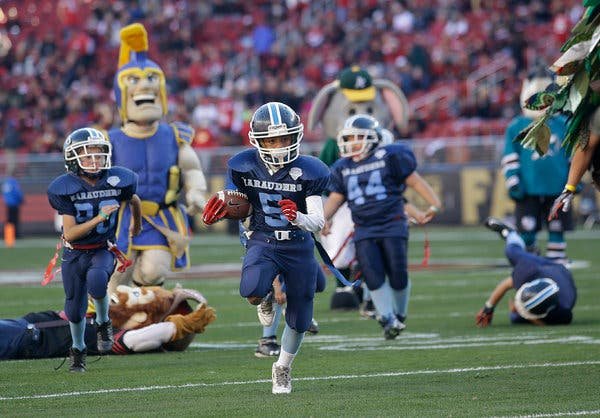
Youth football game lengths vary, but typically range from 40 to 60 minutes, depending on the specific league and age group rules.
Ever wonder about the actual time commitment involved when watching your child’s football game? You are not alone! Many parents, new to the sport, often ask, how long is a youth football game? Knowing this information can help with planning your weekend and understanding the flow of the game.
Game length isn’t uniform; different leagues and age divisions have their own standards. So, while a game is not excessively long, it is good to know what to expect before heading to the field.

How Long is a Youth Football Game?
Okay, so you’re wondering just how long you’ll be spending on the sidelines cheering, right? That’s a great question! Unlike the pros, youth football games don’t have one set length. The time can change depending on a few things, especially the age of the players. Let’s dive into the details of game lengths in youth football, so you know what to expect. Understanding these differences can help you plan your day around game time and understand the rules better.
The Impact of Age on Game Length
The biggest factor influencing how long a youth football game lasts is the age of the players. Younger kids usually play shorter games. This is because they have less stamina and need more breaks. As kids get older, they have more energy and can handle longer playing time. Here’s a general breakdown:
Flag Football (Ages 5-7)
Flag football is often the first introduction to the sport for many kids. The focus is on learning the basics and having fun, not on grueling competition. Because of that, games tend to be much shorter.
- Game Length: Usually, flag football games last around 45 to 60 minutes. This might be divided into four short quarters of 10-12 minutes each with a brief halftime.
- Clock: The clock is usually running continuously, except for injuries or time-outs. There may also be a running clock, meaning the clock doesn’t stop when a player goes out of bounds. This way, the game continues and the length is controlled.
- Why Short Games? Younger children have shorter attention spans and less developed physical abilities. Keeping the games shorter ensures that they can focus and stay engaged without getting too tired.
Tackle Football (Ages 7-9)
As kids transition into tackle football, game lengths do increase a bit. But, they are still shorter compared to older groups.
- Game Length: Games at this age group typically last between 60 to 90 minutes, including halftime. Quarters are typically longer than flag football but are still short. Expect 10-15 minutes quarters, give or take a few minutes depending on the league.
- Clock: The clock rules might be a little closer to standard football. However, a running clock might be used more often than in older age groups. This helps keep the games from lasting too long.
- Why This Length? At these ages, kids are still developing their physical fitness and skills. The longer game length is a good step towards longer games without overwhelming them.
Tackle Football (Ages 10-12)
This age group is where things start to look a little more like the football you see on TV. The games are more structured and longer in length.
- Game Length: These games generally run between 90 and 120 minutes in length, including halftime. You will typically see 10-15 minute quarters, sometimes even 12 or 15 minutes, depending on the league and rules they follow.
- Clock: The clock is more likely to stop for out-of-bounds, incomplete passes, and penalties. This is more similar to high school and professional rules, helping prepare the kids for more advanced play.
- Why This Length? The players are stronger and have better skill sets at these ages, allowing them to manage longer periods of play. They also have a greater understanding of the rules, making the game flow more smoothly.
Tackle Football (Ages 13-14)
At these ages, many leagues are starting to mirror high school or even professional play more closely in rules and game length.
- Game Length: Games here are often 90-120 minutes long. However, some leagues may have 13-15 minute quarters. So, the total game time might stretch a bit.
- Clock: At this level, you will find the game clock stops for most situations, such as incompletions and running out of bounds.
- Why This Length? By the time the players reach this age, most are more physically fit and can handle more demanding and lengthy games. These are also years where players are preparing for high school-level football.
Factors Influencing Game Time
While age is the biggest factor, several other things can affect the total time of a youth football game. Let’s consider some of these.
League Rules
Different leagues have different rules, and these rules directly impact how long games last. Some leagues may use a running clock, which speeds up the game, while others may stop the clock for every out-of-bounds play. For example:
- Running Clock: Some leagues might use a running clock when one team is winning by a lot. This keeps the game fair and from going on for too long.
- Quarter Length: Different leagues will set different quarter lengths. Always check the rules specific to the league that your child plays in.
- Time-Outs: Some leagues provide more time-outs than others, which also impacts the game’s length.
Halftime Length
Halftime is an important part of the game, allowing players to rest and regroup. Halftime length is not equal in every league:
- Typical Halftime: Halftime usually runs from 10 to 15 minutes.
- Variations: Some leagues or at certain levels might opt for slightly shorter or longer breaks. It depends on what is most practical for the kids involved.
Number of Time-Outs
The number of time-outs a team has can also influence the length of a game. More time-outs mean more pauses in the game clock.
- Regular Time-outs: Typically, teams have a certain number of time-outs they are allowed each half.
- Coach Time-outs: Some leagues might give coaches specific time-outs to talk to players, and these can also cause breaks in the action, making games last longer.
Injuries
Unfortunately, injuries are a part of football. When injuries occur, the game is stopped, often leading to added time. Serious injuries can sometimes cause a significant delay. These extra stoppages can add minutes to the total game length. Safety is the most important thing though, so these delays are necessary.
Overtime Rules
In some youth football leagues, overtime rules will come into play if the game is tied at the end of regulation. Overtime can add a good deal to the total length of the game. The type of overtime rules will also determine game length:
- Traditional Overtime: Some youth leagues use a traditional overtime, where teams play a set amount of extra time with the ball.
- Modified Overtime: Other leagues will use modifications to overtime. These changes might involve a sudden-death format or a smaller playing field.
Preparing for Game Day
Knowing how long a game might last is essential for planning game day. Here are some ways to be ready:
Arriving Early
Getting to the field early helps you find parking, settle in, and not feel rushed. It also gives you time to see your child warming up. It’s always better to be early than to risk missing part of the game.
Snacks and Drinks
Bring along snacks and drinks. This is for yourself, your child, and anyone else you have with you. You will likely be at the field for a couple of hours. Having nourishment and something to drink makes the time much more enjoyable. Water is great for hydration. Pack things that are easy to handle and don’t make a big mess.
Check the League Schedule
Before each game, make sure you double-check the time on the league schedule. Sometimes game times can change for various reasons. Having the right time makes it easier to plan. You can also often find information about the game format and time rules on the league’s website or from the coaches.
Dress Appropriately
Check the weather forecast and dress for the conditions. Bring extra layers if the weather is expected to change. Being comfortable will help you enjoy the game more. Also, keep in mind that you’ll probably be outside for a few hours. So, things like hats and sunscreen are helpful in different weather.
Bring Something to Keep You Occupied
Even though the games are fun to watch, there may be some down times during the game where you might want to be occupied. Bring a book, some magazines, or something else that you can use to pass the time when there are lulls in the action. This makes the time pass faster, and it can also keep younger siblings entertained.
Be Ready to Cheer
Don’t forget your cheering voice! Showing support for the players makes the games much more fun. Cheering encourages the kids and creates a great atmosphere at the games.
Understanding how long a youth football game lasts involves knowing the age group and the specific league rules. This knowledge will help you prepare for game day, making the experience more enjoyable for everyone involved. Each age level brings a different pace and structure, so being informed makes you a better fan and helps you support the young athletes.
Enjoying the sidelines and supporting our young athletes is such a fun and rewarding experience. Whether the game is short or slightly longer, the time spent watching them learn and grow in the sport is incredibly valuable. Be sure to check with your local league for specific game day rules and lengths.
The BEST 5 Year Old Football Player! #boomjunior #minijamarrchase #youthfootball
Final Thoughts
Youth football game length varies by age group. Younger kids often play shorter games. Older youth divisions have durations closer to high school. Therefore, how long is a youth football game depends on specific league rules.
Typically, a game can range from 40 to 60 minutes. Leagues will divide this time into shorter quarters. The exact time helps manage young players’ energy.
Knowing the exact time is essential for scheduling purposes. Coaches and parents should always confirm the rules. Confirming helps manage expectations.

