
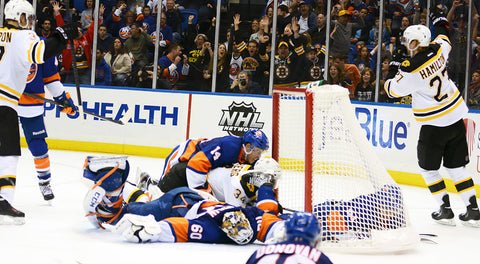
The average hockey game is typically 2.5 to 3 hours long, including intermissions.
Ever wondered about the time commitment when planning to watch a live hockey match? You’re not alone! Many fans and newcomers ask, how long is an average hockey game? It’s a valid question, and knowing the timeframe helps you organize your schedule accordingly.
Understanding the duration goes beyond just the on-ice action. It also involves understanding the breaks between periods. So, let’s explore what contributes to the total length of a typical hockey game.

How Long is an Average Hockey Game?
Ever wondered just how much time you’d spend watching a hockey game? It’s not as simple as saying “it’s an hour long!” There’s actually a bit more to it. Let’s dive into the exciting world of hockey game lengths and figure out what makes up that time on the clock.
The Standard Game Clock: Three Periods of Action
The most basic part of figuring out the length of a hockey game is understanding the standard game clock. In most professional leagues, like the NHL, an official hockey game is divided into three periods. Each of these periods is 20 minutes long, but there’s a catch! It’s not just 20 minutes straight through.
Breaks Between Periods
Between each of those 20-minute periods, there’s an intermission. This is like a mini-break for the players to rest, strategize, and get some refreshments. These intermissions are usually 15-17 minutes long. So, you have to add that time into the total game duration. And let’s not forget about the time it takes to clean the ice! Yes, those Zambonis are part of the show.
- First Period: 20 minutes
- First Intermission: 15-17 minutes
- Second Period: 20 minutes
- Second Intermission: 15-17 minutes
- Third Period: 20 minutes
The Stop-and-Go Nature of Hockey
Here’s where things get a little more complicated. A hockey game clock doesn’t run continuously like a clock in your school classroom. It stops frequently! Whenever play stops, the clock also stops. This is to allow for penalties, goals, icing, offsides, and many other little things that might happen during the game.
Penalties
When a player does something that breaks the rules, they get a penalty. Common penalties include tripping, hooking, and high-sticking. Penalties result in the penalized player going to the penalty box for a set amount of time. The team then has to play short-handed, meaning they have one less player on the ice. During this penalty, the game clock stops. The penalty clock, however, keeps running even when the game clock stops. A minor penalty is usually for two minutes, while a major penalty can be for five minutes. There are also longer penalties, and misconducts that last for ten minutes or even the remainder of the game. Sometimes, during a penalty the penalized team does not need to play short-handed. This is called a delayed penalty. During a delayed penalty the penalized team’s players have to skate back to their bench before the penalty is in effect. So as a player is being penalized in the other team’s zone the game will often be paused and the clock stopped.
Goals
When a team scores a goal, it’s an exciting moment! To celebrate (and to give the referees time to confirm the goal) the clock also stops. While the time spent stopped for a goal is usually short, it still adds to the overall length of the game.
Icing
Icing is another reason the clock stops. This rule comes into play when a player shoots the puck all the way down the ice from behind his own team’s defensive zone line and the puck goes past the other team’s goal line without being touched by another player. If icing occurs, the play is stopped, and a face-off takes place at the opposite end of the rink. Again, the clock stops during this little delay.
Offsides
Offsides happen when an attacking player enters the offensive zone before the puck does. The play is then stopped, and a face-off happens near where the offside occurred. Like other stoppages, offsides pause the game clock.
Injuries
Sometimes, players get injured. In those situations, the referees stop the clock to allow medical personnel to attend to the injured player. Of course, this can add time to the game depending on the injury’s severity.
Timeouts
Each team gets a timeout in a game. Usually, this timeout lasts for 30 seconds. When a team requests a timeout, the game clock is stopped. It doesn’t add much time overall, but every second counts!
Television Timeouts
In professional leagues, there are sometimes additional “television timeouts” to allow for commercials to be shown. This is a significant contributor to game length. These timeouts are planned ahead of time. They are separate from timeouts called by the coaches.
Factors Influencing Game Length
Now you know that the game clock stops quite often. But, other things can also influence how long a game lasts. It’s not just the penalties or goals. The amount of time each stoppage takes can vary. The number of stoppages and types of penalties can change a game’s length. No two hockey games are exactly the same! Let’s look into these factors more closely:
The Pace of Play
A high-scoring game often means more goals, and therefore more stoppages. The more stoppages of play, the longer the overall game will take. If there are many penalties, there will be additional stoppages and the game will take longer. Games with lots of power plays also tend to be longer.
Overtime
If the score is tied after the three periods, the game goes into overtime. In most professional leagues, the overtime is sudden death; meaning that the first team to score wins. If a goal is not scored in the allotted amount of overtime, then the game can go into a shootout. In the NHL, if a game is tied after the third period, there is a five-minute overtime, followed by a shootout. All of this additional play and potential delays add more time to the game clock. The overtime also causes more breaks for the players to have more time to rest. This added break time can extend the total time to finish a hockey game.
Different Leagues, Different Rules
It’s also important to know that not all hockey leagues have the same rules. While the standard 20-minute periods are consistent in many professional leagues like the NHL, they can vary in other leagues, including lower levels of play. For example, a junior hockey game might have shorter periods, or the intermissions between the periods might be shorter. Even the lengths of the penalty boxes might be shorter. The duration of the time outs might be shorter as well. The number of timeouts for each team can also be different depending on what league it is.
Here’s a small look at some differences that are frequently found in other hockey leagues:
- Youth Hockey: Periods may be shorter, like 15 minutes.
- College Hockey: Games typically follow NHL rules but with a few minor adjustments.
- International Hockey: Games usually follow NHL rules.
Table for Average Hockey Game Time
Okay, so we have talked about a lot of things that can affect game time. Let’s take a look at what we can expect for a typical professional hockey game length. Remember this is just an average and not the total amount of time the game will take to complete. It depends on everything we have talked about in the article so far. The time to complete a game is the running time on the clock plus all of the stoppages:
| Game Element | Approximate Time |
|---|---|
| Three 20-Minute Periods | 60 minutes |
| Two 15-17 Minute Intermissions | 30-34 minutes |
| Typical Stoppage Time | 30-60 minutes |
| Total Average Game Time | Approximately 2 – 2.5 hours or sometimes longer |
Again, remember that these are just the averages. So, some games could be a little shorter and some could be much longer! If you are planning to go watch a hockey game, it is always a good idea to plan for it to be 3 hours or more just to be safe. A good rule of thumb is that a game typically takes approximately 2.5 hours to complete, from start to finish.
In Conclusion
So, while the game clock says 60 minutes, an average hockey game is much longer due to intermissions and frequent stoppages. The game clock is like the time in a movie and the full game is like the experience of going to the movie and driving back and forth to the theatre. The stoppages, penalties, and overtime all make hockey games a little less predictable when it comes to knowing how much time you’ll spend watching. The next time you are watching a hockey game, you can take notice of these stoppages and see how they add to the total time of the game. Knowing what to expect will help you enjoy the experience even more!
How Long Is The Average Hockey Game? Best Game Length Guide
Final Thoughts
A standard hockey game typically lasts for 60 minutes of playing time, divided into three 20-minute periods. However, stoppages for penalties, goals, and intermissions extend the overall duration. So, how long is an average hockey game in reality?
With these stoppages, expect a game to last around two and a half to three hours. Television broadcasts often lengthen this further with commercials and analysis. A hockey game’s actual length can vary somewhat based on these factors, but playing time always stays at 60 minutes.

