
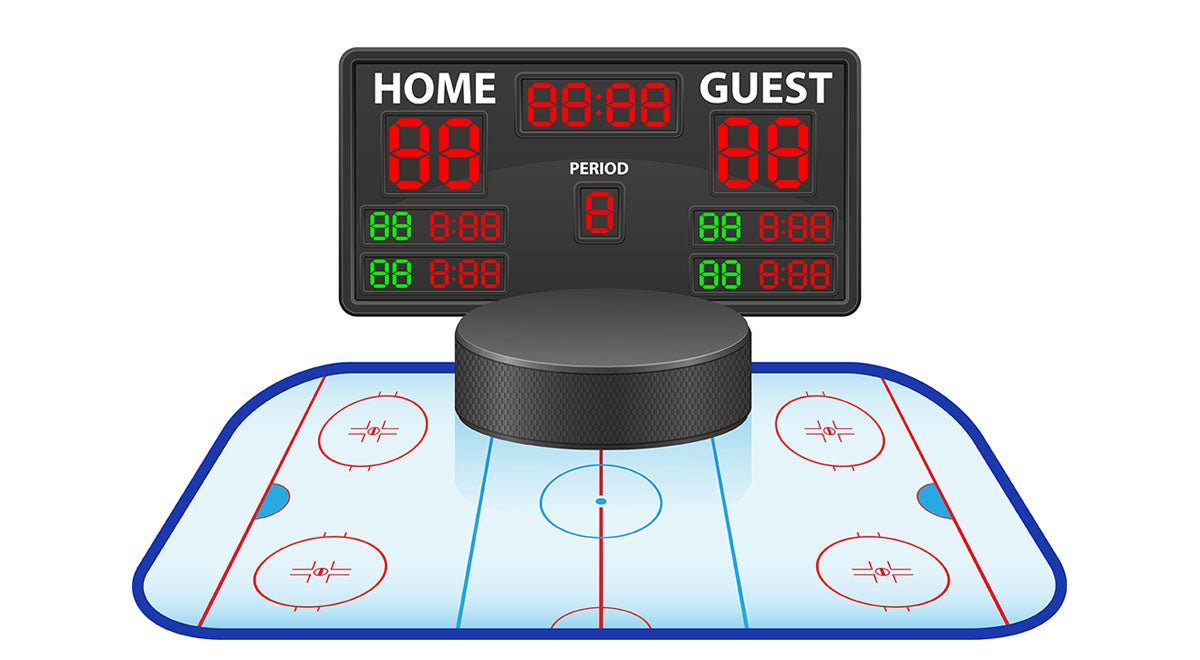
An ice hockey game is typically 60 minutes long, divided into three 20-minute periods, with intermissions in between.
Ever wondered about the duration of that fast-paced action on the ice? Many people ask, “how long is an ice hockey game?”. It’s a common question for newcomers and even seasoned fans.
Understanding the game’s structure will enhance your viewing experience. The clock management is a crucial part of the sport’s strategy. So, let’s delve into the details of game length.

How Long is an Ice Hockey Game?
Ever wondered how long you’d be glued to your seat watching an ice hockey game? It’s not as simple as a quick 60 minutes like some sports. The total time a game takes can be a bit more complex, and depends on several things. Let’s break down exactly what contributes to the length of a typical ice hockey game.
The Basics: Regular Playing Time
At its core, an ice hockey game is divided into three main sections, called periods. Each of these periods lasts for 20 minutes of actual playing time. That means the clock only runs when the puck is in play. When the whistle blows for a stoppage in play, the clock stops. So, three 20-minute periods add up to 60 minutes, but this is just the starting point.
The 20-Minute Period Breakdown
The 20 minutes of play in each period are filled with action. Players skate, pass, shoot, and try their best to score. But what happens when the clock stops? Well, that can happen pretty often!
- Puck Out of Play: When the puck leaves the playing surface (like going into the stands), the play stops.
- Icing: If a player shoots the puck from behind their own side of the center red line all the way down past the opponent’s goal line without it being touched by another player, it’s considered icing, and the play stops.
- Offsides: If a player enters the attacking zone before the puck, it’s an offside call and the play is stopped.
- Penalties: When a player breaks the rules, they get a penalty, which stops the clock.
- Goals: Each time a goal is scored, the clock stops.
- Injuries: If a player gets hurt, the play stops so they can get help.
- Time-outs: Each team is allowed a limited number of time-outs during the game, which also stop the clock.
Because of these frequent stops, the total time to complete one period often extends well past 20 minutes of real time. All of these stoppages add up, and it means the overall game will take a lot longer than one hour.
The Intermission Factor
Between each of the three periods there are breaks called intermissions. These breaks give players a chance to rest, strategize, and grab a drink. But what does that mean for the total game time? Well, these breaks can add quite a bit of time to the game.
Length of Intermissions
The length of intermissions isn’t always the same. It can depend on the level of play. For most professional leagues like the NHL (National Hockey League), intermissions are typically 15 to 18 minutes long. At the junior or amateur level, they are usually shorter, around 10 to 15 minutes.
So, if you add two 15-minute intermissions to the 60 minutes of play, you’re already up to 90 minutes of game time. And that’s not even the full story!
Penalties and Their Impact
Penalties are an integral part of any hockey game. They stop the play and can significantly impact the total duration of the game. When a player commits a penalty, they have to sit in the penalty box for a set time. This is called a power-play for the other team.
Types of Penalties
There are many types of penalties in hockey. Here are some common ones:
- Minor Penalty: This usually involves something like tripping or hooking. The penalized player sits in the penalty box for two minutes.
- Major Penalty: This is given for more serious offenses like fighting. A major penalty means five minutes in the penalty box.
- Misconduct Penalty: These can be for unsportsmanlike behavior. The penalized player sits for 10 minutes and has to remain on the bench.
- Game Misconduct: This is a severe penalty, often leading to player ejection from the game, and sometimes further punishments.
These penalties can also add to the length of the game, because when play stops to call a penalty, time is paused. Depending on the severity of the penalty, the power play can change the flow of the game and extend game time.
Power Plays and Game Length
A team on a power play has an advantage because they have one more player on the ice. This is a prime opportunity to score a goal. Depending on how many penalties are given, power plays can dramatically change the length of the game. Lots of penalties mean more clock stoppages and a longer overall game. Games with fewer penalties will tend to go by more quickly.
The Possibility of Overtime
Sometimes, after three periods, the score is still tied. That’s when overtime comes in. Overtime is a way to break the tie and declare a winner. The rules for overtime can vary based on the league or level of play. Typically, overtime involves a sudden-death format which means that the first team to score wins the game.
Sudden-Death Overtime
In most cases, the game will move into a sudden-death overtime period. This means the game continues until one team scores a goal. Overtime in the regular season can be a bit shorter and sometimes ends in a shootout but, this is mostly for regular season games. The period length for overtime, depending on the level of play is anywhere between 5 to 20 minutes.
Playoff Overtime
In some playoff games, the overtime period can last much longer. It will continue in the same format, sudden-death, with 20 minutes period, and continue until a goal is scored. This can add a substantial amount of time to the game. It’s not uncommon for playoff hockey games to last several hours due to multiple overtime periods. It’s part of what makes playoff hockey so exciting!
Differences Between Leagues and Levels
The length of a hockey game can vary depending on the level of play. Professional leagues like the NHL, junior leagues, college hockey, and even youth leagues have their own unique guidelines. Let’s see how these levels differ.
Professional Hockey (NHL)
In the NHL, each period is 20 minutes long, and the intermissions are 17 minutes. Regular season overtime is 5 minutes, and playoff overtime is 20 minutes, until there is a goal. Games with a lot of penalties, goal reviews, and stoppages will last much longer. A typical NHL game, including intermissions, usually takes between 2.5 to 3 hours to complete, if not going into multiple overtimes.
Junior Hockey
Junior hockey leagues can have similar regulations to the NHL, but with slight variations. Periods are generally 20 minutes, while intermissions could range from 10 to 15 minutes. Overtime rules can also vary depending on the league, but usually follow a similar sudden-death format, which continues until one team scores. A typical game would last between 2 to 2.5 hours.
College Hockey (NCAA)
College hockey also has three 20-minute periods. Intermissions are typically around 15 minutes. The overtime periods tend to be 5 minutes or 20 minutes depending on the league. Games in the NCAA usually are completed in around 2.5 to 3 hours depending on penalties and stoppages.
Youth Hockey
Youth hockey games are often shorter. The periods can be 10 to 15 minutes, depending on the age group. The overall length is also shorter, around 1 to 1.5 hours. Intermissions are shorter, too, usually lasting about 5 to 10 minutes each. The reason for this reduction in time is the lower fitness levels of younger athletes.
The Impact of TV Broadcasts
TV broadcasts also play a role in the game’s duration. Television networks have commercial breaks between periods and after stoppages in play. These breaks are important for revenue and can lengthen the overall time of a game. The more popular a game is, the more commercials will be inserted into the breaks. This increases the length of the game, and is very common in the NHL and most professional leagues. So when you watch a game on TV, expect it to take a bit longer than if you were just watching from the stands.
Commercial Breaks
When watching on TV, you’ll notice there are frequent commercial breaks. These breaks add several minutes to the overall length of the game. Broadcasters use these breaks to show ads, do interviews, and break down game highlights. These breaks add between 1-5 minutes per stop and all add up as the game moves forward.
Factors that Can Extend Game Time
Several additional factors can influence how long an ice hockey game actually lasts. These events can cause delays and increase the game time. Let’s look at some of them.
Video Review
Modern hockey games often include video reviews. If a referee is unsure if the puck crossed the goal line or if a penalty occurred, they can use video replay to get a second look. These reviews take time, during which the game clock stops. A long or multiple video review will extend the game time.
Injuries
Unfortunately, injuries are a part of any sport. When a player gets injured, the play stops so that the player can be attended to. Serious injuries can cause lengthy stoppages, adding to the game’s overall time. The amount of time the player needs can be a short time or a much longer period which can affect the total game time.
Equipment Issues
Sometimes, equipment malfunctions. For example, a player may need to fix a loose piece of equipment or replace a broken stick. These are short delays, but they still add to the overall length of the game. These will cause a clock stoppage as the player makes the repair.
Summarizing Game Time Factors
To really understand the question of “how long is an ice hockey game,” it’s helpful to look at a breakdown. There are numerous things that influence the game’s total time. Here is a summary of these factors:
- Regular Periods: Three 20-minute periods of play time.
- Intermissions: Two breaks between periods that typically last 10-18 minutes.
- Penalties: Cause stoppages, and power plays can add to play time.
- Overtime: Sudden-death overtime can make games last longer, especially in playoffs.
- Level of Play: Professional, junior, college, and youth leagues all have different period lengths, intermissions, and overall timing.
- TV Broadcasts: Commercial breaks increase game time on television.
- Video Reviews: Game stoppages for video reviews can add extra minutes.
- Injuries: Serious injuries can significantly delay the game.
- Equipment Issues: Malfunctions in equipment can cause small stoppages.
In the end, while a typical ice hockey game has 60 minutes of playing time, the full event usually lasts much longer. It’s essential to account for intermissions, penalties, potential overtimes, and other interruptions to get a realistic idea of how long you’ll be watching.
How long is a hockey game?
Final Thoughts
Therefore, a standard ice hockey game runs for 60 minutes of play, divided into three 20-minute periods. These periods feature stop-time, meaning the clock halts when the puck isn’t in play.
Intermissions occur between periods and add to the total time. Overtime or penalty shootouts extend the game if needed. This is how long is an ice hockey game in a typical setting.

