
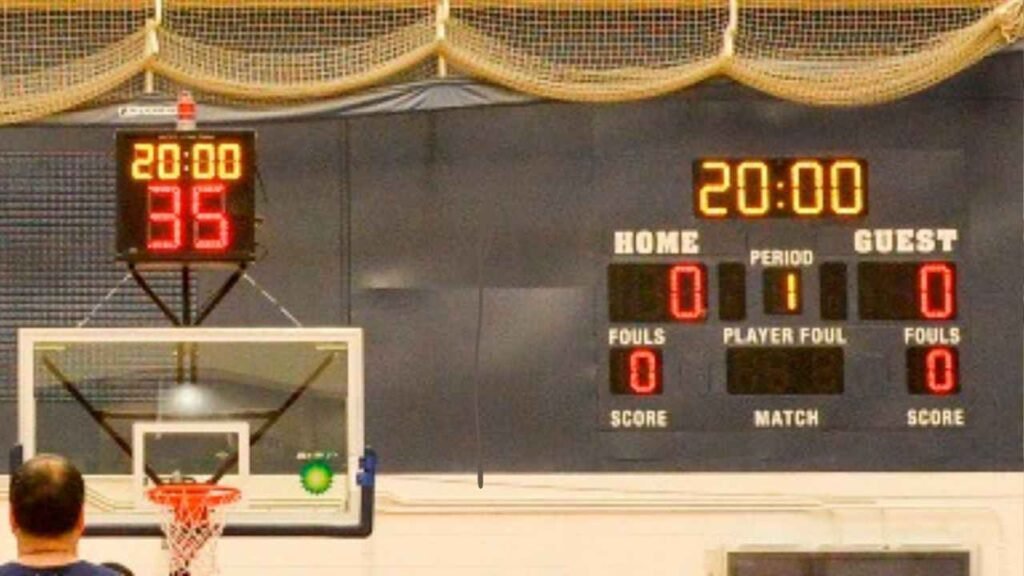
The average college basketball game lasts approximately two hours.
Ever wondered how long you’ll be glued to the screen watching college hoops? It’s a common question for both die-hard fans and casual observers: how long is average college basketball game? The time commitment can influence whether you settle in for a full game.
Understanding game duration is useful for planning your viewing schedule. This time also includes timeouts and halftime which will add the extra time into it. This helps to manage your day accordingly.

How Long Is Average College Basketball Game?
Have you ever watched a super exciting college basketball game and wondered just how long it would last? It’s a good question! Unlike your favorite cartoon that always ends in 30 minutes, college basketball games can feel like they have a mind of their own. They definitely aren’t a quick dash. Let’s dive into what makes up the game clock and what can make games run a little longer.
The Standard Game Time: 40 Minutes of Action
At its core, a college basketball game is meant to have 40 minutes of playing time. This is broken down into two halves of 20 minutes each. Think of it like two episodes of your favorite show with a break in the middle. But here’s the catch: this 40 minutes is only when the ball is actively in play. The clock stops quite often, which adds to the total time the game takes.
Breaking Down the Clock: What Makes It Stop?
The basketball clock isn’t like a regular clock. It’s more like a pause button that gets hit many times during the game. Several factors lead to stoppages. Knowing them helps you understand why the total game time can go well beyond 40 minutes.
Timeouts: Strategic Pauses
Coaches use timeouts to chat with their players, plan their next move, or give their team a breather. Each team gets a certain number of timeouts during a game, and each timeout makes the clock stop. The length of these timeouts can vary slightly depending on the situation. Typically, full timeouts last around 75 seconds, while a shorter timeout is approximately 30 seconds. These strategic breaks can significantly add to the overall game duration.
Fouls: When Things Get Sticky
When a player does something against the rules, like pushing or tripping another player, it’s called a foul. When a foul happens, the clock stops. Then there are free throws, when a player gets to shoot the ball without defenders trying to block it. Free throws take time, and the more fouls, the more time added to the game. Depending on if a player is in the act of shooting, the fouled player gets one to three free throws. A series of fouls and free throws can extend the game.
Out-of-Bounds and Other Stoppages
Sometimes the ball goes out of bounds, which also makes the clock stop. Referees need to figure out who gets the ball. Other stoppages might include injuries or if the ball gets stuck. Each time the ball is not in play, the game clock stops, adding to the overall time. These seemingly small stoppages add up during the game. When a player has to step away from the game due to an injury, it can take more than 5 mins depending on the injury.
Halftime: A Longer Break
After the first 20 minutes of playing time, there’s a break called halftime. This is a longer pause, typically lasting about 15 minutes. During halftime, players take a break, coaches strategize, and sometimes there’s even entertainment for the fans. This pause is a significant time addition to the total game.
How Long Does a College Basketball Game Really Take?
So, while the official game time is 40 minutes, the actual time you spend watching a college basketball game is usually much longer. When you put all the stoppages together, most college basketball games take about two hours to finish. Sometimes, depending on the number of fouls, timeouts, or even if there is an overtime, games can go even longer. Let’s look at that.
Overtime: When the Excitement Keeps Going
If the score is tied at the end of the 40 minutes, the game goes into overtime. This means more basketball! Overtime periods in college basketball are five minutes long. If the score remains tied after the first overtime, the teams play another overtime, and so on, until a winner is decided. Overtime periods can significantly increase the overall length of the game and dramatically add to the excitement!
Factors That Can Make Games Longer
Besides the usual stoppages, several other things can cause a game to take longer.
- A Large Number of Fouls: A game with many fouls means more free throws, which takes up more time on the clock.
- Close Scores: Close games sometimes result in more timeouts and more strategic play, making the game last a little bit longer.
- Review of Plays: Referees sometimes need to review plays to make sure they made the right call. This review process can add some minutes to the game.
- Injuries: Player injuries can cause delays, sometimes long ones if a player requires medical attention.
Comparing College Games to Other Levels
College basketball games are different from other types of basketball games, especially when it comes to length. Let’s compare it to some other levels:
High School Basketball
High school games are shorter than college games. They have four quarters of 8 minutes each, meaning they have 32 minutes of playing time instead of the 40 minutes that college basketball has. The break between the quarters is much shorter than college basketball too. This means that the total time for a high school game is significantly shorter than a college basketball game. Typically, a high school basketball game takes around one and a half hours.
NBA (Professional) Basketball
The NBA, or National Basketball Association, has four quarters of 12 minutes each, for a total of 48 minutes of playing time. This makes NBA games the longest of the three. The stoppages are also more frequent at the NBA level. Because of this longer playing time and frequent stoppages, an NBA game can take up to two and a half hours or even three hours to finish. NBA games have longer timeouts and longer halftime period also.
Keeping Track of Game Time: It’s Not Always Easy!
Keeping track of a basketball game is more than just following the clock. It’s about understanding all the things that can make the clock stop and start. Knowing the rules about fouls, timeouts, and other game interruptions helps you get a better idea of how long a game will be. Fans who understand all the different aspects of what makes the clock stop and start, makes a huge difference in their enjoyment of the game. They know a quick game can still take quite a while because the clock stops frequently. The most important thing is to enjoy the game, whether it’s a little shorter or goes into overtime.
The Fast-Paced Nature of College Basketball
College basketball is known for its fast pace and exciting action. The frequent stoppages, while adding to the total game time, don’t necessarily take away from the excitement. They actually build anticipation and offer opportunities for strategic plays. As a fan, you can get a better understanding of all the different aspects that take place during a game. It also allows you to be aware of how long the game might take based on the stoppages.
Enjoying the Game, No Matter How Long It Takes
While it’s good to know how long a college basketball game typically is, the real fun is watching all of the game’s action. Whether the game lasts the standard two hours or goes into overtime, each game has its own set of moments and memorable plays. Understanding the stoppages and different rules allows the fans to enjoy the game, no matter how long it lasts. Knowing the average time, what can make it go longer, and what stoppages occur is a part of the enjoyment of the game.
Here’s a quick recap table for you:
| Level | Playing Time | Typical Game Length (Approx.) |
|---|---|---|
| College Basketball | 2 halves of 20 minutes | Around 2 hours |
| High School Basketball | 4 quarters of 8 minutes | Around 1.5 hours |
| NBA Basketball | 4 quarters of 12 minutes | Around 2.5-3 hours |
As you can see, the length of a game can vary based on level. However, the excitement and anticipation remain consistent!
Understanding the clock rules and stoppages in college basketball gives you a better idea of what to expect time-wise when you are watching a game. From timeouts and fouls to halftime and possible overtimes, there’s a lot that can make a game last longer than the standard 40 minutes of playing time. Whether the game takes two hours or a bit more, enjoying the plays and the action is the most important thing.
Duration of college basketball and halftime – Basketball Facts
Final Thoughts
Average college basketball game length typically lands around two hours. This includes the playing time, halftime break, and timeouts. Factors like overtime periods and reviews can add extra minutes.
Therefore, when planning your viewing, consider two hours as a general time frame. Remember that the actual duration fluctuates slightly. So, if you are asking ‘how long is average college basketball game’, allow some wiggle room.

