
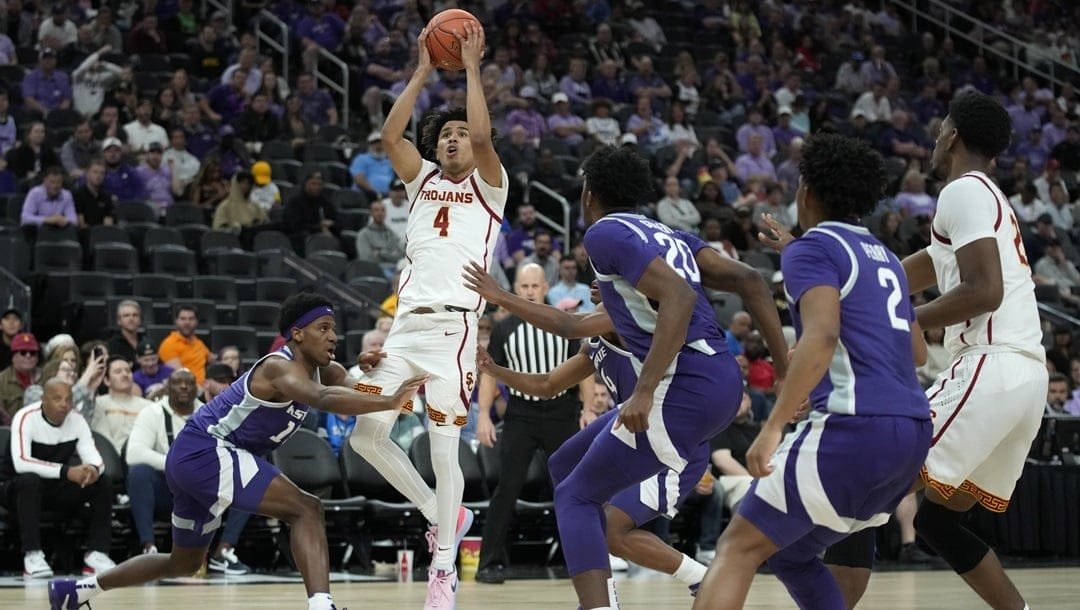
A standard college basketball game is 40 minutes long, divided into two 20-minute halves.
Ever wondered about the duration of a thrilling college basketball match? The game clock certainly adds to the suspense, but how long is college basketball game, exactly? It’s not like professional games, which have slightly different timing rules, adding to the specific pacing of the college game.
Knowing the precise length of a match helps plan your viewing, whether you’re attending in person or watching from home. College basketball games follow a specific timing format. This standard structure influences strategy and player endurance through two intense halves.

How Long Is a College Basketball Game?
Ever wondered how long you’d be glued to your seat watching a thrilling college basketball game? It’s a good question! Unlike some sports with consistent timeframes, college basketball has a specific structure that determines game length. Let’s dive into the details, so you know what to expect whether you’re watching from the stands or your couch.
The Basic Structure: Halves and Timeouts
A standard college basketball game is divided into two halves. Each half is 20 minutes long. This means the game’s clock ticks down from 20:00 to 0:00 in each period. But hold on – that’s just the playing time! There are also breaks, timeouts, and sometimes overtime periods to consider. Here is a break down:
- Two Halves: Each half consists of 20 minutes of actual game time.
- Clock Stoppages: The clock stops frequently during the game. When the ball goes out of bounds, a foul happens, a basket is made, or during timeouts, the clock pauses. These stoppages add to the total time of the game.
Think of it like this: 20 minutes of intense basketball action in each half, plus the extra time to allow for all the starts and stops.
Game Clock and Stop Time Rules
To understand how long a game really takes, you need to know why the clock stops. Here are the main reasons the game clock pauses:
Fouls
When a player breaks a rule, it’s called a foul. When a foul happens, the referee blows their whistle, and the game clock immediately stops. The team that was fouled gets a chance to shoot free throws (if it’s a shooting foul) or take the ball out of bounds and restart play.
Out of Bounds
If the ball goes out of bounds, the game clock stops while the referee determines which team will take possession. The clock restarts when the ball is touched on the court.
Timeouts
Teams have timeouts they can use to talk to their coaches, rest, or plan their next move. When a timeout is called, the game clock pauses. Each team gets a specific number of timeouts, and the length of timeouts varies depending on if it’s a full or 30-second timeout.
Made Baskets
After a team scores by making a basket, the clock stops, the team that was scored on get the ball to restart the play, the game clock restarts after the ball has touched a player on the court.
Halftime: The Break Between Halves
Between the two halves is halftime. This break is a chance for the players to rest, coaches to strategize, and fans to grab some snacks. Halftime is typically 15 minutes long. However, this can sometimes be longer to allow for stadium events or ceremonies.
Timeouts: Strategic Pauses
Timeouts are crucial in college basketball. They let teams catch their breath, make adjustments to their strategy, or try to break the opponent’s momentum. Here’s what you need to know about timeouts:
- Full Timeouts: These are longer timeouts, typically lasting 60 to 75 seconds, allowing teams to discuss more in-depth strategies.
- Short Timeouts: These are shorter, usually around 30 seconds, and are used for quick adjustments or a brief breather.
- Number of Timeouts: Each team gets a set number of timeouts per game. The amount can vary, but usually, each team receives five full timeouts and a couple of short timeouts.
These timeouts are essential to the flow of the game, so they add to the total time of the game, but they also add excitement as teams try to gain an advantage.
Overtime: When Regulation Time Isn’t Enough
Sometimes, after the two 20-minute halves, the score is still tied. This is when we head to overtime. Overtime periods give teams another chance to win the game. Here’s what you need to know:
- Overtime Length: Overtime periods in college basketball are 5 minutes long.
- Number of Overtime Periods: If the score is still tied after the first overtime, we go to another one and so on. There’s no limit on the number of overtimes that can happen, so it’s possible to have multiple overtime periods if the game is very close.
- Clock Rules in Overtime: The clock rules for stopping and starting are similar to the main game time.
Overtime periods make games even more exciting for fans, but they obviously increase the total game time.
Total Game Time: More Than Just 40 Minutes
So, if a college basketball game has two 20-minute halves, why does it usually take longer than 40 minutes to watch? The answer is simple: all the stops. With all the timeouts, fouls, out of bounds, and pauses between each half, the game could last a lot longer. Here’s a general breakdown:
- Game Clock Time: Two 20-minute halves equals 40 minutes of playing time.
- Halftime: Add another 15 minutes.
- Timeouts: A game usually has around 10 timeouts which will add another 10 minutes.
- Stoppages of play: Add the time from the ball going out of bounds and the referee stoppages, around another 15 to 20 minutes.
- Overtime: If the game goes into overtime, each 5-minute period adds extra time to the game length.
A typical college basketball game is usually between two and two and half hours long. A very close game that goes into overtime may take close to three hours. These numbers give you a more clear understanding of how much time you need to put aside when you decide to tune into a college basketball game.
Factors Affecting Game Length
While the rules offer a baseline, several factors can influence how long a college basketball game will actually last:
The Pace of the Game
The pace of the game can make a difference. Teams that play very fast can have a game filled with more possessions. This often means more fouls, more out-of-bounds calls and more made baskets, all of which stop the clock. Slower-paced games may have fewer stoppages, but may also have more prolonged offensive possessions. Games with a lot of free throws and close calls can also make the game longer. A high-scoring game, which comes with many baskets and fouls, also tends to take a longer amount of time.
Number of Timeouts Called
Coaches use timeouts wisely to manage the game’s flow. More timeouts mean more stoppages, extending the total time the game takes to complete.
Close Games
When games are close, coaches often use more timeouts and can be more deliberate in their play in the last few minutes. This will create a longer game as teams try to make plays to take the lead.
Overtime
Overtime games add an additional 5 minutes to the game length for each overtime period, and it is very hard to predict how many overtimes there will be in a closely contested game.
Number of Fouls
Games with many fouls can run longer due to the stoppage in play every time a foul is called. More free throws mean the clock stops more often.
Why All the Stoppages?
You might wonder why there are so many stoppages in a basketball game. Here’s why:
- Fairness: The stoppages make sure that teams get a fair chance after fouls or when the ball goes out of bounds.
- Strategy: Timeouts help coaches adjust their plans and communicate with their team.
- Entertainment: The exciting back and forth of the game depends on all of the stoppages as teams reset their offense and defense.
- Safety: Players need time to rest and recover between plays.
Keeping Track of the Game Time
For fans, it’s fun to try to guess how long a game might be. You can check your watch, but usually, television broadcasts or arena scoreboards keep track of game time. They keep both the game clock, and the time of day, so it’s easy for fans to stay on schedule when watching a basketball game.
Summary of Game Time
Let’s summarize the different parts of the game and their respective times:
| Game Component | Typical Time | Description |
|---|---|---|
| First Half | 20 minutes | First half of game play with frequent stoppages |
| Second Half | 20 minutes | Second half of game play with frequent stoppages |
| Halftime Break | 15 minutes | Break between the two halves |
| Total Timeouts | Approx 10-15 minutes | Combined time from both teams’ timeouts |
| Ball Out of bounds, referee stoppages | Approx 15-20 minutes | Time from the ball going out of bounds and stoppages from referees. |
| Overtime Period | 5 minutes per period | Additional period played in the event of a tied score after regulation |
Keep in mind these times can vary from game to game. But, generally, you can expect the game to fall within these average ranges.
So, while the game clock shows 40 minutes of play, you can expect to be watching the game for approximately two to two and a half hours. If the game goes into overtime, prepare to spend even longer watching the action.
Auburn Tigers vs. LSU Tigers | Full Game Highlights | ESPN College Basketball
Final Thoughts
A typical college basketball game lasts 40 minutes, divided into two 20-minute halves. This clock runs during active play, stopping for fouls, timeouts, and out-of-bounds situations. The actual time from start to finish, including those pauses, generally extends to about two hours.
So, while the official playing time is 40 minutes, how long is college basketball game in total can vary. The extra time depends on how many stoppages and breaks occur during the game. The flow of the game dictates its total duration.

