
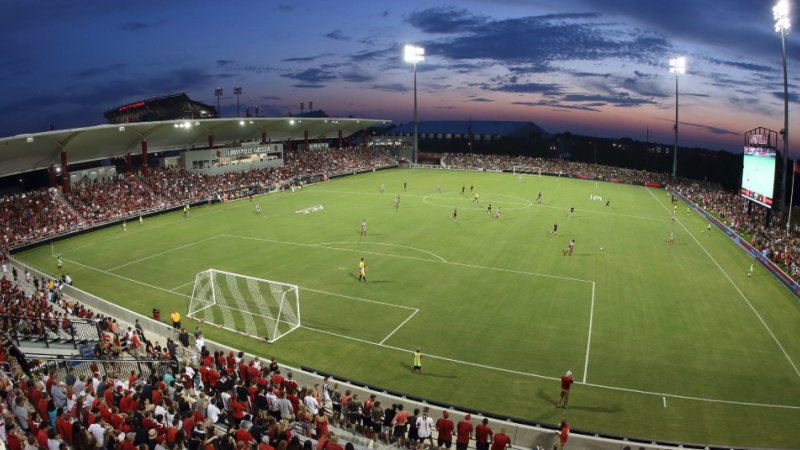
A college soccer game lasts for 90 minutes, divided into two 45-minute halves, with a 15-minute halftime break.
Ever wondered about the time commitment when watching a college soccer match? The clock is constantly ticking, creating a suspenseful atmosphere. It’s important to understand the game’s structure, especially if you are new to the sport. So, let’s explore how long is college soccer game.
The game isn’t just one continuous play period. Instead, it’s divided into segments. This format allows players a brief respite to regroup and strategize. It also gives the audience a breather before the action resumes.

How Long is a College Soccer Game?
Okay, so you’re wondering how long a college soccer game is? It’s a good question! Unlike some sports with constantly running clocks, soccer has a specific structure that can be a little confusing if you’re new to it. Let’s dive into the details of game length, the breaks involved, and what can sometimes make a game go a bit longer than expected. Think of it as a soccer clock crash course – you’ll be an expert in no time!
The Standard 90 Minutes
The core of a college soccer game is 90 minutes long. This isn’t one continuous stretch of play, though. Think of it as two 45-minute halves with a break in the middle. This is the standard for almost all levels of soccer, including college games, professional leagues like MLS or the Premier League, and even the Olympics. So, if someone asks you how long a soccer game is, the base answer is often 90 minutes – but, hold on, there’s more to know!
Halftime: The 15-Minute Reset
After the first 45 minutes are over, the teams get a break. This is called halftime. Halftime is usually 15 minutes long. This gives the players time to rest, rehydrate, and listen to their coaches. The coaches also use this time to make tactical adjustments. It’s like a mini strategy session. For fans, it’s a chance to stretch your legs, grab a snack, or chat about the game.
What about Extra Time?
Sometimes, a game needs a little extra time to decide a winner. This is usually only in important games like tournament play or championship matches. When this happens, we go into what’s known as “extra time” or “overtime” . This isn’t a regular part of every game and it is not a feature of regular season games. Extra time is structured differently in soccer than other sports. For example, basketball or american football do not have the same sudden death concept.
How Long is Extra Time?
Extra time in soccer means two additional 15-minute periods. There’s a short break (usually a minute or two) between these periods for the players to switch sides of the field. These extra time periods are played fully. There is no golden goal or sudden death concept.
What Happens After Extra Time?
If the score is still tied after the extra time period, then the game is decided by a penalty shootout. It is similar to a series of free throws where players from each team take a series of shots at the goal. The team that makes most penalty goals wins the game. But this is only in the case where the game has to have a winner, like in a tournament setting. In some conference play and exhibition matches, there might not be extra time or penalties. Games just end in a tie.
Stop Time vs. Running Time
Unlike some sports where the clock stops every time the ball goes out of bounds, the game clock in soccer is running continuously. The referee is the one who keeps track of the total time. But this doesn’t mean the referee is a clock. The referee will add time at the end of each half for any stoppages, like when players get hurt. This is called “stoppage time” or “added time”.
Why Stoppage Time is Important
Stoppage time is important because it makes the total time of the game a little unpredictable. You might think the half is about to end, then all of a sudden, the referee adds two minutes, three minutes or even more. This extra time can be tense for the fans as it can change the outcome of the game. Stoppage time ensures that teams have the full amount of time on the field. Also, it keeps players from trying to waste time on purpose.
What causes Stoppage Time?
Many things can cause added time in a soccer game. Here are a few examples that can add to the total time of the game:
- Injuries that require a player to be treated on the field.
- Substitutions: When a player comes on the field for another.
- Time spent arguing or any other delay caused by players.
- Any other significant stoppage that the referee deems necessary to add to the total time.
Factors That Affect Game Duration
While a college soccer game is primarily 90 minutes, several factors can make the actual duration vary. Here are some elements that can impact the total time of the game. This is important to know if you’re watching a game in person and are expecting to leave at a specific time.
Significant Injuries
Serious injuries can lead to longer delays if players need extensive on-field treatment from doctors and trainers. This can increase the stoppage time. The referee may even need to take time to make sure the player is okay. Then they have to make sure a substitution occurs.
Numerous Substitutions
College soccer, like most levels, allows multiple substitutions to occur. Each substitution takes time. The game stops, the referee has to okay the swap, and then play resumes. All these small delays can add up, especially if a team makes many changes. The stoppage time is added at the end of the half.
Referee’s Discretion
The referee has the final say about how much time to add at the end of each half. This means the actual stoppage time can be a bit of a judgment call, and might feel like different for different games. Referees consider many factors when adding stoppage time. Also, they have to keep the game moving in a fair manner. All these factors affect the game’s total duration.
Quick Recap of Time Breakdown
Let’s quickly recap the time structure of a standard college soccer game. Here’s a breakdown:
- Regular Game Time: 90 minutes
- First Half: 45 minutes
- Halftime Break: 15 minutes
- Second Half: 45 minutes
- Extra Time (If Needed): Two 15-minute periods
- Stoppage Time: Varies by game
Differences Across Levels of Play
While college soccer follows these standard guidelines, it’s important to remember that other levels of play can sometimes have minor differences. High school soccer games, for instance, are usually shorter. Professional soccer is almost always going to be 90 minutes.
Why It’s Important to Know
Knowing how long a college soccer game is important for many reasons. For spectators, knowing the game’s length helps with planning the day, especially if you have other things to do. For players, knowing this game structure helps you mentally and physically prepare for what to expect. For coaches, the time frame affects their strategies and when to make substitutions.
Key Terms to Remember
To make sure you’ve got a handle on things, let’s recap some key terms:
- Halves: A game is split into two of these.
- Halftime: The break between the two halves.
- Extra Time: The period of play after regulation time, if needed.
- Stoppage Time: Added time for any delays during play.
Understanding these will make watching or playing soccer a lot easier.
The truth about D1 College Soccer
Final Thoughts
A typical college soccer game lasts 90 minutes, divided into two 45-minute halves. There’s a short halftime break in between, usually about 15 minutes. This is standard across most levels of college soccer.
Overtime periods can happen if the score is tied. These extra periods are typically sudden death, adding extra time to the total duration. So, the answer to “how long is college soccer game” is generally 90 minutes, but can go longer.

