
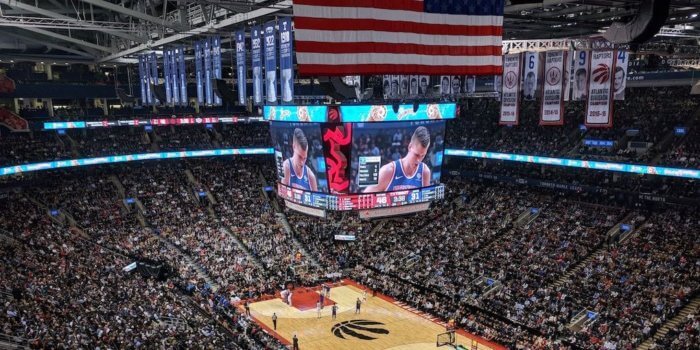
NBA games typically last 2 hours to 2 hours and 30 minutes, including stoppages and timeouts.
Ever wondered about the time commitment when settling in to watch some high-flying basketball action? The question of how long is nba games often pops up for both new fans and seasoned viewers alike. It’s not just about the 48 minutes on the clock.
There are plenty of factors contributing to the overall game duration, such as those intense timeout discussions and those exciting free-throw sequences. So, knowing the approximate time helps plan your viewing schedule around an NBA game.

How Long is NBA Games
Ever wondered exactly how long you need to set aside to watch your favorite NBA team battle it out on the court? It’s a common question, and the answer isn’t as simple as a single number. NBA game length is made up of many different parts, and each of them plays a role in the final total. So, let’s break down the different elements that determine how long an NBA game really is and explore why some games feel longer than others!
The Core Game Time: 48 Minutes of Action
At its heart, an NBA game is divided into four quarters, each lasting 12 minutes. This means that the official playing time adds up to 48 minutes, or 0.8 hours. When we see this core time, we’re talking about the time the game clock is running. It’s the pure, unadulterated basketball action.
Why 48 Minutes?
The 48-minute format has been a staple of the NBA since its early years. It’s a duration that many believe provides an optimal balance between physical exertion for the athletes and excitement for the fans. This length allows for enough time to see strategies unfold, player performances rise and fall, and of course, plenty of nail-biting moments. It’s a set amount of time that fans and teams plan around.
But, of course, the official game clock does not tell the complete story. There’s a whole lot more to the length of an NBA game than just those 48 minutes.
Timeouts: Strategic Pauses in Play
Timeouts are an essential aspect of basketball. These brief pauses allow coaches to communicate strategies, players to rest, and, let’s be honest, for a breather before continuing the high-octane action. They also, of course, make games longer.
How Many Timeouts Does Each Team Get?
Each team is allotted a specific number of timeouts throughout the game. In the NBA, teams usually get seven timeouts, not including any called during overtime. These timeouts are divided between full and 20-second timeouts. Full timeouts are usually longer, allowing more time for strategic planning, whereas 20-second timeouts, are shorter and often called to quickly advance the ball or stop play. These timeouts add some minutes to the clock.
When Are Timeouts Called?
Timeouts can be called by either the head coach or a player on the court when the ball is not in play. These timeouts can come at critical moments, such as when a team is struggling or making a big comeback. Sometimes teams use timeout before last few minutes of the game, when the score is too close, to make the last move. They can happen at any point, so it’s difficult to predict exactly how many timeouts are going to happen during a game.
Halftime Break: A Needed Pause
Right in the middle of the game, there’s a long break – halftime. It is a chance for players to rest, coaches to adjust strategies, and fans to grab snacks or head to the bathroom. Halftime is not part of the 48 minutes of play.
How Long is Halftime?
Halftime in an NBA game is usually 15 minutes. It’s a set break, unlike timeouts that can vary. This 15 minutes is added to the overall time the game lasts, of course. The break is important for players’ physical recovery, so they come back for the second half strong.
Fouls and Free Throws: Stop and Start
Fouls are a regular part of an NBA game. When a player commits a foul, the clock stops and, depending on the situation, the fouled player might get to shoot free throws. This constant stopping and starting of the game clock contribute significantly to the total game duration.
How Do Free Throws Add Time?
Each free throw takes some time. There is time for players to get lined up, for the referee to give the ball to the player, the time to take a shot, and then the player gets back into the position. It also adds time due to the breaks, so it takes some time to get to shooting the free throw. Although each free throw doesn’t add much time alone, the total free throws given in a game certainly can.
Types of Fouls and Their Effects on Game Length
Different fouls have different consequences. For instance, a common foul will typically result in a free throw opportunity if the fouled player was in the act of shooting or the team is already in the penalty. Technical fouls, on the other hand, often involve a free throw and possession of the ball for the opposing team. Flagrant fouls can be more serious, with the clock stopping for review and often resulting in free throws and possession. All these situations add time to a game. There is also the time it takes for officials to review each foul, these add minutes to the total duration.
Injuries and Reviews: Unpredictable Delays
Sometimes, something happens that no one could have planned, such as an injury. When a player is injured, the game is stopped while they receive medical attention. Also, some plays are so close that officials need to take a closer look using replays, which are called video reviews, These things all add to the game time, but cannot be planned or anticipated. The game cannot continue until everything is addressed, which can add several minutes to the game.
Impact of Injuries on Game Length
The severity of an injury will determine how long the game is delayed. Minor injuries might require just a brief pause for the player to recover, but more severe injuries might require much more time to ensure the player receives medical attention. There is no way of knowing how long those things will take. Injuries also have a strong effect on the game. Sometimes teams might need to change strategies based on who is on the floor.
The Role of Video Reviews
NBA games often use replay reviews to ensure the correct call was made. These reviews can take several minutes, as officials must watch the footage from different angles to make a final decision. This commitment to accuracy adds to the game’s total length. The time these reviews take depends on how close and difficult the call is.
Overtime: Extending the Battle
Sometimes, the battle is so closely contested that even four quarters aren’t enough to decide a winner. When the scores are tied at the end of the fourth quarter, an overtime period is played. This extra period adds more time to the game, and can be exciting, but also makes for a much longer game.
How Long is an Overtime Period?
An overtime period in the NBA is five minutes long. If the score is tied again after the first overtime, another overtime is played. This continues until a winner is decided. Each of these overtime periods are added to the total game time, which can add a substantial amount to total game time. A lot of close games have overtime, but a lot of them do not.
The Impact of Commercial Breaks on Game Length
One cannot talk about game time without mentioning commercials. These breaks provide broadcasting networks with an important source of income, but they also add a lot of time to the game.
How Commercial Breaks Affect Overall Game Duration
During an NBA broadcast, the game is frequently interrupted for commercials, usually after a score, a timeout, or quarter break. While the clock stops during these breaks, it still makes the game longer. These breaks mean the broadcast takes much longer than the 48 minutes of actual game time.
Average Number of Commercials in an NBA Game
The number of commercial breaks in an NBA game can vary, but usually happens around every score, timeout, and quarter. They add a lot of time to the game. Some breaks can be longer than others, which increases the time even more.
Factors That Can Influence Game Length
Several factors can influence just how long an NBA game is. These can include the pace of play, the number of fouls, the game situation, and even the team’s playing style. All of these things can have an effect on the total game time. Let’s look at each of those more closely:
Pace of Play
Some teams prefer a faster paced game. A game with fast-paced, higher-scoring teams can have more stops and starts, adding to the overall duration. There are many more possessions, scores, and fouls during a fast-paced game. On the flip side, a slow paced game tends to have less stoppages and the game does not usually take as long.
Number of Fouls Called
The number of fouls called in a game can vary greatly from game to game. Games with many fouls tend to be longer. Games with fewer fouls go by quicker. The number of fouls depends on the style of play as well as the way the game is being officiated. Each foul adds extra time.
Game Situation
The circumstances of a game can affect its duration. A close, competitive game is likely to have more time-outs and stoppages. This is because both teams want to try their best in crucial situations. Games that are a blowout, where one team is far ahead, will typically have fewer fouls and timeouts. Usually the losing team gives up on trying to win and the winning team doesn’t try to get a higher score.
Team Playing Styles
Some teams have styles of play that cause more or less stoppages in a game. For example, teams that frequently drive to the basket may lead to more fouls and free throws. Conversely, teams that rely on jump shots may lead to a quicker pace and fewer stoppages. This will determine the total duration of the game. The style each team has makes for a lot of variation from game to game.
Average Total Game Time: Putting It All Together
So, with all the factors we talked about, what is the total time an NBA game lasts? While the actual game time is 48 minutes, the total time from start to finish, with all the breaks, timeouts, and other delays, usually falls between two to two and a half hours. This range can vary depending on the specific factors from the particular game.
Here is a table to show how much time each part of the game adds to the overall total:
| Game Element | Time Duration |
|---|---|
| Official Game Play | 48 minutes (4 quarters x 12 minutes) |
| Halftime | 15 minutes |
| Timeouts (approximate) | 10-20 minutes (this can vary a lot) |
| Commercials (approximate) | 30-45 minutes (this can vary a lot) |
| Free throws, fouls, reviews, injuries (approximate) | 15-30 minutes (this can vary a lot) |
| Overtime (if needed) | 5 minutes (per overtime period) |
This table shows that the actual game play is just a portion of the total time fans watch a game. The breaks and additional factors add a great deal of time. This makes planning to watch an NBA game difficult, because it is hard to know how long each game will actually take.
So, while the core of an NBA game is 48 minutes, the total time can vary greatly. Factors such as timeouts, fouls, injuries, and commercial breaks all play a part in determining just how long you’ll need to set aside to watch your favorite team. It’s a combination of strategy, excitement, and sometimes a bit of patience!
How long is a NBA game?
Final Thoughts
NBA games typically last around 2.5 hours, although this can vary. The actual playing time is 48 minutes, divided into four 12-minute quarters.
Timeouts, halftime, and breaks for fouls and other stoppages contribute to the overall duration of a game. So, while the clock shows 48 minutes of play, ‘how long is nba games’ actually stretches longer.
Therefore, plan for about two and a half hours when attending or watching a National Basketball Association contest.

