
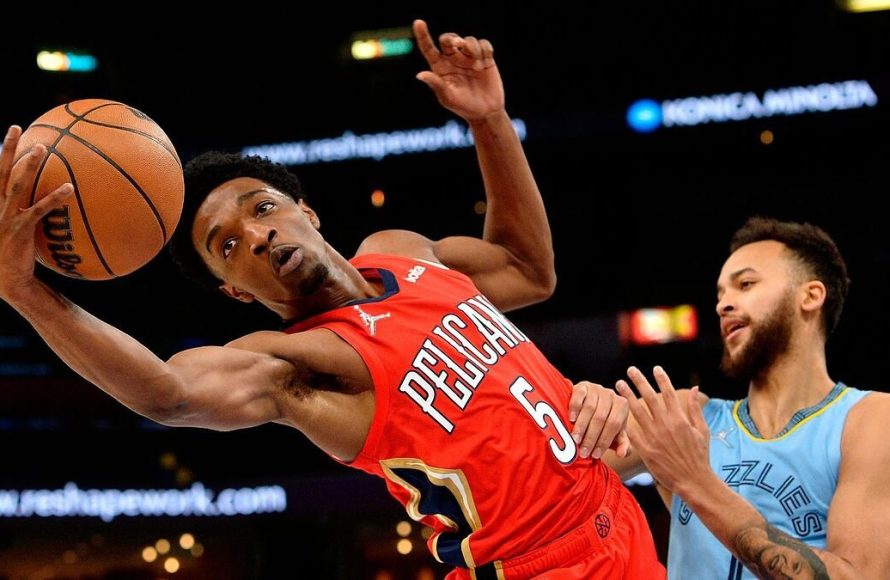
A professional basketball game lasts 48 minutes, divided into four 12-minute quarters.
Ever wondered about the clock when watching your favorite players? People often ask, how long is pro basketball game? It’s a fair question, especially if you’re planning your evening around a game.
The answer isn’t just about the play time, but also includes breaks between quarters, timeouts, and halftime. All these elements add to the total time you spend watching an NBA game.

How Long is a Pro Basketball Game?
Okay, so you’re curious about how long a pro basketball game lasts, right? It’s a good question, because it’s not always the same amount of time! The typical answer, at least for the NBA, is around two to two and a half hours. But that’s just the average. A bunch of things can make the game run shorter or longer. Let’s dive deep into all the details!
The Standard Game Length
Let’s start with the basics. A standard professional basketball game, like those in the NBA, is divided into four quarters. Each of these quarters is 12 minutes long. If you do the math, that’s 12 minutes x 4 quarters = 48 minutes of playing time. This 48 minutes is the amount of time the clock is actually running when the ball is in play. This doesn’t mean the game will only take 48 minutes in real time. There are lots of stoppages which add to the overall game length.
Quarters and the Game Clock
The game clock is very important in basketball. When a player dribbles the ball, or passes it, the clock counts down from 12 minutes to zero each quarter. The clock stops when:
- A foul is called
- The ball goes out of bounds
- A timeout is called by a team
- A basket is made in some cases and near the end of the quarter.
All of these things make the actual time a game takes much longer than 48 minutes. It’s all those little stops and starts that really add to the overall clock.
Breaks and Halftime
Between each of the four quarters, there are short breaks. These breaks allow the players to rest, coaches to talk strategies, and for the arena to do things like play commercials and have a bit of entertainment. There is usually a 15-minute halftime break after the second quarter. This is a long break, and it’s a chance for players to rest up. There are also shorter breaks after the first and third quarters, which are typically a couple of minutes long. These breaks also contribute to the longer total length of the game.
- Break between the first and second quarter: Short break – around 2-3 minutes.
- Halftime break between the second and third quarter: Long break – around 15 minutes.
- Break between the third and fourth quarter: Short break – around 2-3 minutes.
Timeouts
Timeouts are another way that time gets added to a game’s length. Each team has a certain number of timeouts they can use. During a timeout, the game clock stops completely. Teams use timeouts to rest, to talk about plays, or to stop the other team’s momentum. Each timeout adds a little bit to the total game time. The specific number of timeouts can vary depending on the league but in NBA, each team is given seven timeouts of 75 seconds each.
Fouls, Free Throws, and Game Stoppages
Whenever a player commits a foul, the game clock stops. Sometimes the foul results in free throws, especially if the foul is a shooting foul. The process of shooting free throws adds even more time to the clock. Each free throw, with the ball going to the foul line, the player positioning themselves, and the throw itself, all take time. Fouls, along with other stoppages like the ball going out of bounds or a held ball situation, interrupt the flow of the game and add to its overall length.
Fouls
When a player commits a foul it halts the game. A foul is called when a player makes illegal contact with another player. When a foul is called, the game stops. The player who was fouled is rewarded with a free throw. Fouls are a frequent occurrence, each instance taking additional time away from the game time.
Free Throws
When a player gets fouled they may have to take free throws if it is a shooting foul. The time it takes to complete a free throw adds additional time to the game. The process of getting the ball, getting to the free throw line, getting the correct position and shooting, all that takes time. All of these stoppages add to the final game time length.
Overtime
Sometimes, a game ends in a tie at the end of the fourth quarter. When this happens, the game goes into overtime. Overtime is an extra period of time that’s added to the game to decide a winner. In the NBA, each overtime period is 5 minutes long. If the game is still tied after the first overtime, there are more overtime periods until there is a clear winner. Overtime makes a game much longer and adds to the game length. This means that it can sometimes be much more than 2 to 2.5 hours.
Overtime Length
Each overtime period is 5 minutes long. A game can go into multiple overtime periods until a winner is decided. Every overtime adds an additional 5 minutes on the clock, excluding other stoppages. This additional playing time can lead to longer game length.
Other Factors Affecting Game Length
Many things influence how long a basketball game actually lasts. Apart from the rules and breaks, other less obvious factors also contribute.
Pace of Play
The speed at which teams play can impact the game time. If both teams are playing fast, the clock might run more but with less stopping of the clock. If the game is slow, with multiple stoppages, the game will get longer. A very fast paced game may run faster through the actual game clock time. The fast pace game might not have as many free throws as a slower game, it really depends on the way the game plays out.
Number of Fouls
A game with a lot of fouls will take longer because the game clock stops each time a foul is called. Many fouls lead to many free throws and all the stoppages associated with these free throws, increasing the overall game time. If the game is physical and has many fouls, expect the game to take a while.
Number of Timeouts
If a team is using many timeouts, this increases the game time. The more timeouts a team calls, the more the game clock gets stopped, and adds to the game length.
Review of Plays
In modern basketball, referees often review plays using video replays. If the referees are taking a long time to view replays, or if they have multiple reviews, it can add quite a bit of time to the game. Reviewing plays is a way for referees to make sure they get the calls correct, but it adds to the total game time.
How Game Length Differs in Other Leagues and Levels
While the NBA uses four 12-minute quarters, other leagues and levels of basketball have different rules that can change the total game length.
College Basketball
College basketball games typically have two 20-minute halves instead of four quarters. There are also slightly different rules regarding timeouts and the shot clock, which can affect the overall length of the game. But the two halves format leads to a slightly shorter overall play time. The total average game length, with stoppages is still similar, around two to two and half hours, but with the format differences it can vary.
International Basketball
International basketball, like games played in the Olympics, also uses four 10-minute quarters. With these shorter quarters the total game length is slightly shorter than NBA games. All the stoppages and breaks do make the game length close to NBA level, but because of the shorter quarters, the game clock is shorter.
High School Basketball
High school basketball games often use four 8-minute quarters. With shorter quarters the game clock is shorter, but there can be stoppages, so expect total game length to be similar to college level games. Some high schools may also use different rules and variations that further change the overall time of the game. The game times are shorter but other stoppages make the game length close to the higher levels.
Factors That Shorten a Game
While the factors mentioned above usually make a game longer, sometimes things can make a game shorter.
Low Foul Count
If a game has very few fouls, the clock will not be stopped as much. A clean game with few fouls can shorten the game a bit, because there is less clock stoppage.
Fewer Timeouts Used
If teams don’t use all of their timeouts, this can shorten the game. When there are less timeouts, the clock is running more and less time is added to the game.
Fast Pace
Games that are played at a high pace may run faster, with less clock stopping. With a quicker style of game, the time can pass by quicker, because there is less stop and start gameplay.
The Average Game Time
So, how long is a pro basketball game? Even with all of these variables, most NBA games last around two to two and a half hours. Some may end a bit shorter and some can go much longer, especially if there is overtime. But this average of 2 to 2.5 hours is a good estimate to keep in mind. Other levels, with their different formats and rules have an average game time close to 2 hours.
In conclusion, while the official playing time of a professional basketball game is 48 minutes, the actual time from tip-off to the final buzzer is usually much longer. A variety of factors, like timeouts, fouls, breaks, and overtime, can make games last closer to 2 to 2.5 hours. The game can be shorter or longer depending on all the factors that happen during the game. Knowing these things helps you plan your viewing time for any basketball game you want to watch.
How kids play basketball nowadays! 😂 #shorts
Final Thoughts
Professional basketball games, specifically in the NBA, typically last 48 minutes of playing time. This is divided into four 12-minute quarters. However, actual clock time can extend considerably due to timeouts, stoppages, and halftime.
Therefore, a typical game from start to finish often takes about two to two and half hours. Factoring in intermissions and other pauses, it is important to note that the true length of a pro basketball game extends beyond game time.
So, how long is pro basketball game? It’s 48 minutes of playing, but plan for about two and a half hours total. The extended length is due to various factors involved.

