
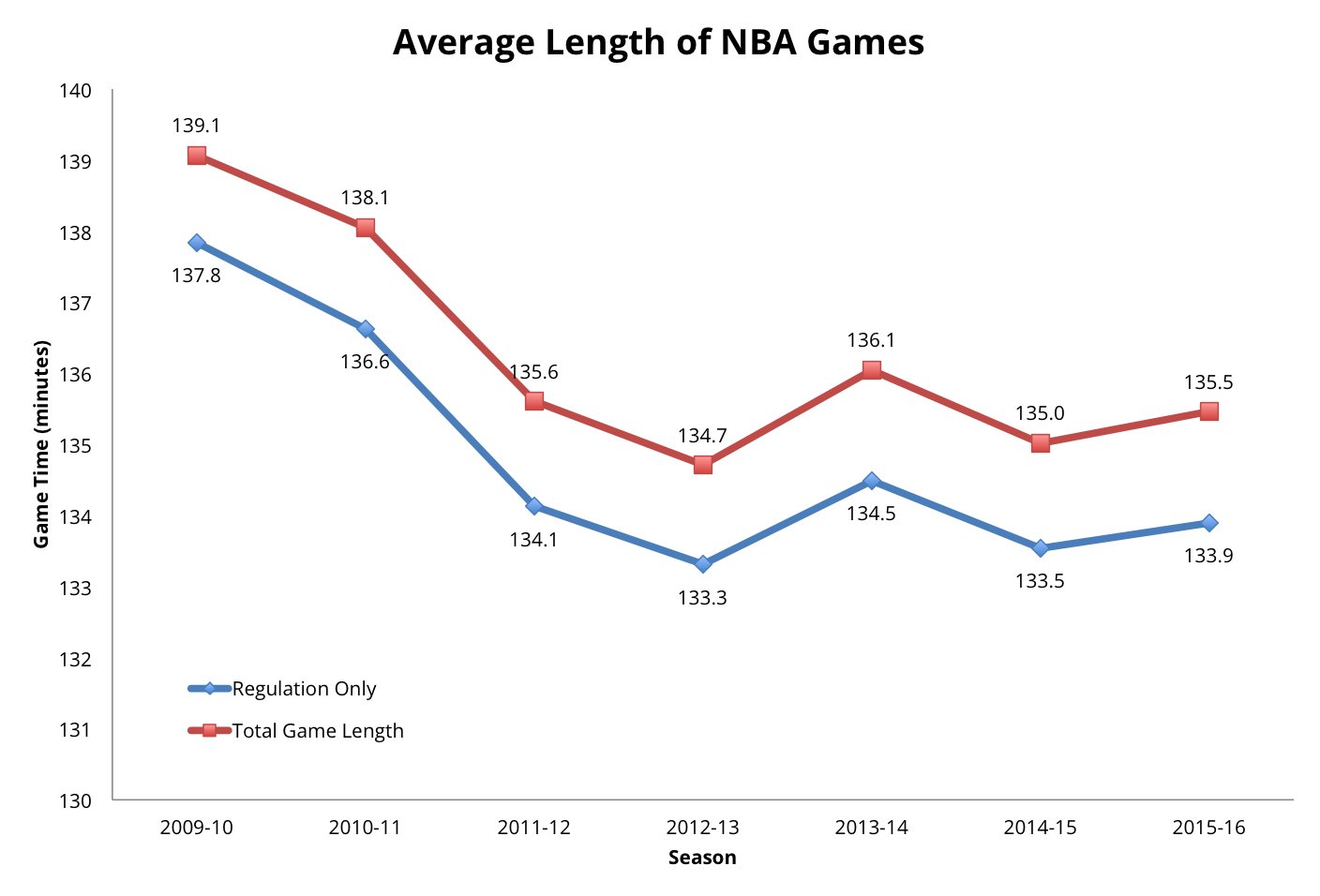
The average NBA game lasts approximately 2 hours and 15 minutes to 2 hours and 30 minutes.
Ever wondered what to expect when settling in to watch a basketball game? People often ask, “how long is the average NBA game?”. It’s a valid question, considering our busy lives, and needing to plan accordingly.
The actual duration fluctuates a little depending on various factors like timeouts, fouls, and of course, if a game goes into overtime. Understanding this helps you better manage your time around these exciting events.

How Long is the Average NBA Game?
Alright, let’s dive deep into the world of basketball and figure out just how much time you need to set aside for an NBA game. It’s not as simple as saying “two hours,” because there are lots of things that can make the clock tick a little faster or slower. So, if you’re planning your night around a big game, or just curious about the pace of the sport, you’ve come to the right place. We’re going to explore all the factors that affect game length, from the clock rules to those exciting nail-biting moments.
The Core Game Structure: 48 Minutes of Action
At its heart, an NBA game is made up of four quarters, each lasting 12 minutes. That adds up to a total of 48 minutes of playing time. But hold on, that’s just the pure basketball action. Think of it like the main course of a meal—it’s important, but it’s not the whole story. There are many other elements that stretch out the total time you’ll spend watching a game. These elements include half-time break, stoppages, time-outs and many other factors.
Quarter Breakdown and Clock Management
Each of the four quarters is a race against the clock. Teams aim to score as many points as they can, while also playing smart defense to stop the other team from scoring. The game clock is constantly running during play, but it stops whenever there is a stoppage. Here are some key points about how the clock works in the NBA:
- The clock stops when the ball goes out of bounds.
- It also stops when a foul is called on a player.
- The clock pauses during time-outs.
- And lastly, the clock stops when there’s a jump ball.
All these stoppages add time to the overall game duration. Sometimes a single play can result in multiple clock stoppages due to fouls, calls and replays. The way teams manage the clock near the end of a quarter, or especially in the final minutes, can dramatically affect how long the game lasts. A close game often sees a lot of deliberate fouls and timeouts to stop the clock for a last possession or a game winning play.
The Halftime Break
After the first two quarters are done, it’s halftime! This break gives the players a chance to rest, regroup, and strategize. It also gives the fans a chance to grab a snack or chat with their friends. Halftime in an NBA game is pretty consistent, usually lasting around 15 minutes. This halftime is a standard break and is typically not affected by the events that happen on court. There is a scheduled break in the middle of the game.
Timeouts: Strategic Pauses in Play
Teams get several timeouts during an NBA game. Each timeout provides a break from the action and allows coaches to make changes to their plays. Both the teams can use timeouts for tactical reasons, or simply to provide a quick rest for the players. These breaks in the game add to the total time for the game.
- Full timeouts usually last 1 minute and 15 seconds
- 20-second timeouts, usually for quick strategizing.
The actual time for which a timeout is taken depends on the strategic decision made by the coach. It is all part of gameplay and the time on the clock is affected by it. The number of timeouts taken varies between each game depending on how competitive it gets.
The Impact of Fouls on Game Length
Fouls are a normal part of basketball, but they can have a big effect on how long a game takes. When a player commits a foul, the game stops, and free throws are usually awarded. This all adds more time to the game’s duration. If a game becomes very physical, there will be more fouls, resulting in more free throws. This naturally causes the game to run a little longer.
Free Throws: More Than Just Points
Free throws don’t just add points, they add time to the game. Each free throw takes a few seconds, and the more fouls there are, the more free throws the game sees. A close game often leads to more fouls at the end as one team tries to take possession back and the other team tries to get free throws. This is sometimes called “hack-a-player” strategy.
The way teams approach fouling, and free throws, near the end of a game can greatly influence the final game time. This strategy is used to stop the game clock. If a team has a big lead, they sometimes foul the other team on purpose in the end so that the clock keeps running and the other team runs out of time to make their comeback.
Reviewing Plays: The Role of Replay
In the NBA, referees can sometimes use instant replays to review certain types of calls. This can include fouls, whether a player made a three-point shot, and many other instances. When a replay is used, the game stops while the referees watch the video and decide. This can add a few minutes to the game, but it helps ensure fair play. Replay reviews can sometimes be quick, or they can be quite long, depending on how clear the call was. These reviews are not as common as timeouts or fouls, but they contribute to the overall game length.
Overtime: When Games Run Extra Long
Sometimes, a game ends in a tie after four quarters. When that happens, the game goes into overtime. Overtime adds another 5 minutes of play and is generally very exciting because of sudden death situations. If the score is still tied after that extra period, another overtime starts. There is no limit to the number of overtimes a game can have, which can make a game much longer than average. Overtime periods can add quite a bit of time to the total length of the game. Overtime is very exciting for fans, but it can lead to a very long night.
The Pace of Play and Its Impact
The speed at which a game is played can influence how long it lasts. A game with lots of fast breaks and scoring is likely to have more clock stoppages due to change of possessions and shots made. But a more deliberate game with slower and methodical actions may run for less time due to less stoppages. The style of the two teams playing against each other and their style of play can have a lot of effect on the length of the game.
- Fast-paced games tend to have more possessions, leading to more stops for free throws and out-of-bounds plays.
- Slower-paced games may see fewer possessions, but these games can also be close and can go into overtime, thus adding time.
Different teams play at different speeds which affects the game length. The style of play is an integral aspect of the game. A high scoring team will usually lead to more stoppages of the clock as more shots will be scored.
Travel Time for Teams
While not directly on the clock, it is important to remember that the game day for teams begins way before the tip-off time. The travel time of the team to the stadium is another contributing factor in the overall game day. This also has an indirect impact on the game as players need time to get settled at the arena. For many teams, they play games far away from their home base. So, travel time can add several hours to their day.
Pre-Game and Post-Game
There’s a lot more than just the game time! Before the match starts, teams warm up, and there are often pre-game events and ceremonies. After the final whistle, players do interviews and sometimes there’s media and press conferences. These activities can add a lot to the overall time of the game day for the teams. Fans may arrive early for these pre-game events and they stay after the game as well to catch the interviews and post-game reactions from the teams.
Average NBA Game Length: A General Estimate
So, after all that, how long does the average NBA game last? While the core gameplay is 48 minutes, you can expect the total time from tip-off to the final buzzer to be around 2 to 2 and a half hours. This is just an average. Some games can be shorter and finish within two hours. While some games with multiple overtimes or lots of stoppages can easily go over 3 hours. It’s always a good idea to check the schedule and plan accordingly because an NBA game can run longer than expected.
Factors That Can Lengthen a Game
Here’s a summary of the things that can make an NBA game run longer than average:
- A lot of fouls leading to many free throws.
- Replay reviews that take extra time.
- Close games that result in a lot of timeout usage.
- Overtime periods.
- Specific tactics teams are using.
- A very physical game with many stoppages.
Factors That Can Shorten a Game
Here’s a summary of the things that can make an NBA game run shorter than average:
- A one-sided game that is decided early.
- A game with not too many fouls.
- Games without the usage of too many timeout.
- A fast-paced game where the clock keeps running.
Keeping Track of Game Time
When you are watching a game, it is always good to keep track of the game time. Usually television broadcasts of the games have a clear countdown clock on the screen. This lets you know exactly how much time is left in each quarter and in the overall game. This way, you can easily see how much time is left in the match.
The Experience Matters
Even though a game can last two and a half or three hours, that time usually flies by quickly! The excitement of the game, the amazing plays by the basketball stars, and the competitiveness are what make the experience great. Whether the game is close or one-sided, there is always some action to keep you engaged.
Understanding the structure of an NBA game, from the four quarters to timeouts and even overtime, helps us appreciate how much time and strategy go into each match. So next time you watch an NBA game, you’ll have a better idea of how long it may last and the different things that affect the clock!
How long is a NBA game?
Final Thoughts
The typical NBA game lasts around two and a half hours. This duration includes four 12-minute quarters. Timeouts, halftime, and stoppages for fouls all add to the total length.
Therefore, when asking ‘how long is the average NBA game’, the answer consistently falls around 2.5 hours, but it can vary depending on the specific match.

