
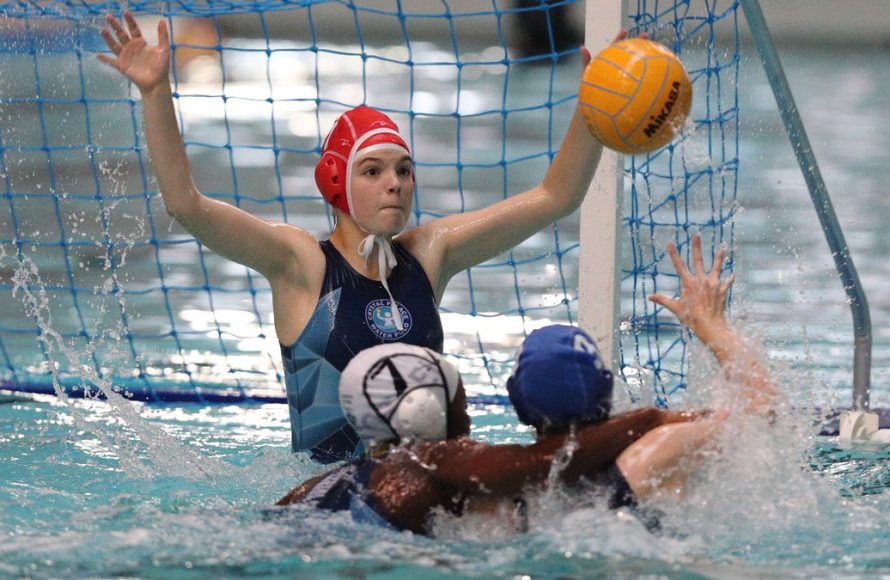
A standard water polo game consists of four quarters, each lasting eight minutes of playing time.
Ever wondered about the duration of aquatic clashes? Many people ask, how long is water polo game? It’s a fast-paced, physical sport, so game time is structured for intensity.
The clock stops when the ball is not in play, making a game’s actual length often a bit longer. This feature ensures plenty of thrilling action without dragging on.
Each quarter break is short to keep the momentum. Teams can adjust strategies during these crucial pauses.

How Long is a Water Polo Game?
Alright, let’s dive into the exciting world of water polo! You might be wondering, “How long does a water polo game actually last?” It’s a great question because the time on the clock isn’t always the same as the time you spend watching the game. There are different rules for different levels, so let’s break it all down to help you understand.
Understanding the Basics of Game Length
Water polo, unlike some other sports, has a clock that stops and starts a lot. The actual playing time, which is called the ‘game time’ is divided into quarters, and each quarter can have a set amount of playing time. But this time does not include stoppages. So the actual time spent watching the game can be much longer than the total playing time.
Standard Game Length: Quarters and Timeouts
The most common format you’ll see is four quarters of play. The length of each quarter can change a little depending on who is playing. For example, in most professional and international matches, each quarter is 8 minutes long. However, this is playing time which is the time that the ball is in play, and the clock only runs when play is in progress. If there are any stoppages the clock stops and does not run. This means that the actual game length will always be longer. This is crucial for understanding game duration.
- International/Professional Games: 8 minutes per quarter. This adds up to a total of 32 minutes of actual game time.
- College Games (NCAA): Often use 8-minute quarters too, keeping them similar to international standards.
- High School Games: May use 7-minute quarters, totaling 28 minutes of game time.
- Youth/Lower-Level Games: May use 6-minute quarters or even shorter to make it easier for younger players, totaling 24 minutes or even less in game time.
The Importance of Timeouts
Timeouts are a big part of water polo. Each team has a certain number of timeouts they can use during the game, usually one or two per half, depending on the level of play. When a team calls a timeout, the clock stops completely. This means that timeouts add to the overall time you spend watching the game. Timeouts are used to strategize, rest players, and regroup after an intense period of play, impacting how long is a water polo game to watch.
Breaking Down the Game Clock
The game clock doesn’t run non-stop, like in a basketball game. Instead, it’s controlled by several events which impact the real time of the match.
Clock Stoppages
Here are a few situations where the game clock stops:
- Goals: When a goal is scored, the clock stops to reset.
- Fouls: When a foul occurs, the clock stops to allow for the play to restart.
- Timeouts: As mentioned, the clock stops when a timeout is called.
- End of Quarter: The clock stops at the end of each quarter.
- Injuries: If a player gets hurt, the clock is stopped.
- Ball Out of Play: If the ball goes out of bounds, the clock is stopped until play resumes.
These stoppages can significantly add to the total time of a water polo game. It’s not unusual for a game with 32 minutes of actual playing time to last a full hour or even more due to the many stoppages during the play.
Differences in Game Length: Levels of Play
The length of a water polo game isn’t fixed. It varies based on the level of competition. It’s important to understand these differences.
Youth Water Polo Games
Games for younger players usually have shorter quarters. This is to keep the game fun and less tiring for kids who are still growing and developing their skills. A game with 6-minute quarters will last a shorter period than a game with 8 minute quarters. Less playing time helps players to maintain stamina and focus.
High School Water Polo Games
High school games tend to have slightly longer quarters, usually around 7 minutes. These slightly longer periods prepare players for more competitive games and longer stretches of play, whilst not being as strenuous as professional games.
College Water Polo Games
College matches often have the same game length as international level games at 8 minutes, giving them experience at a higher level. This helps players improve their skills and prepare them for the next stage of competition.
Professional and International Water Polo Games
At the highest level, like the Olympics or professional leagues, each quarter is usually 8 minutes long. It’s these games that often run longer because of the level of intensity, the strategic timeouts, and the high amount of fouls that tend to occur. These games are often the most exciting to watch.
Additional Factors Affecting Game Time
It’s not just the playing time and timeouts that affect how long a water polo game is. There are other elements that add to the total watch time.
Half-Time Breaks
Similar to other sports, there’s a break between the second and third quarters – a halftime break. This break is typically longer than the breaks between the other quarters, usually around 5-10 minutes. This time allows players to rest, strategize, and regroup for the second half of the game.
Overtime
If the score is tied at the end of the fourth quarter, the game will go into overtime to decide a winner. The overtime format varies a little based on the rules of the specific competition. Overtime usually consists of two or three extra periods of 3 minutes each. If the game is still tied after the overtime periods, some rules call for a penalty shootout to determine a winner. Overtime definitely adds more time onto the game clock.
Pre-Game and Post-Game Activities
Don’t forget that there are also time spent before and after the game. Players need time to warm up and get ready, and there is often some time spent post-game by players or coaches reviewing the game.
Real-Time vs. Game Time
It’s really important to distinguish between the total time of the game and the real playing time. The ‘game time’ clock (i.e the sum total of the length of each quarter) will only show actual playing time, not including stoppages, timeouts and between periods breaks. The real-time clock shows the total time of the event, and this is always longer than the ‘game time’.
Example Game Breakdown
Let’s take a closer look at how this all adds up:
Imagine a professional water polo game with 8-minute quarters.
- Game time: 4 quarters x 8 minutes = 32 minutes
- Timeouts: Each team gets two timeouts per half of the game. Four timeouts total, each about one minute, adds about 4 minutes to the game.
- Half-Time Break: 10 minutes (approximate)
- Stoppages for goals, fouls, and out-of-bounds: Let’s estimate 20 minutes. (This number can change a lot depending on how the game is being played.)
So, the actual time you spend watching this game could be roughly 32 minutes (game time) + 4 minutes (timeouts) + 10 minutes (halftime) + 20 minutes (stoppages) = 66 minutes. This means a game that has 32 minutes of game clock time could last for over an hour.
How Game Length Affects Gameplay
The length of the game quarters can have a big influence on how the game is played. Short game times can encourage fast-paced and high-scoring games with lots of fast action. Longer games often require the players to manage their stamina and endurance throughout the game. Game time plays a key role in the physical demands of water polo and affects strategy and playing style.
Player Stamina and Strategy
Water polo is a very physically demanding sport, and playing at high intensity for extended periods can be challenging. Coaches need to take this into account when formulating their game plans. Shorter quarters require a lot of energy. Longer quarters also require energy but also strategy and good player rotations. When game time is longer, there is also more chance for strategic play and tactical shifts.
Impact on Scoring and Game Pace
Shorter games can lead to teams trying to score quicker and more often. Longer games may encourage more tactical gameplay, with teams working to slow the pace down. With longer games there is more time to score and to implement strategic gameplay.
Final Thoughts on Game Length
Understanding how long is a water polo game is really important, so you know how long you will be spending watching a game. Remember that the actual time you’ll be watching is longer than just the game time. The different levels of play and the use of timeouts and stoppages make each game length unique. So, next time you are watching water polo, pay attention to the clock, to help you understand what is happening, and it will help you understand the game better. This will mean you will enjoy it even more!
The Rules of Water Polo – EXPLAINED!
Final Thoughts
A water polo game typically lasts for 32 minutes of actual playing time. This time is divided into four quarters of eight minutes each. The clock stops during stoppages in play. Therefore, the total time including these stoppages can extend the match.
‘how long is water polo game’ in total? Consider that the game clock stops and starts frequently. Actual game length varies depending on these stoppages. The total game time can be well over an hour.

