
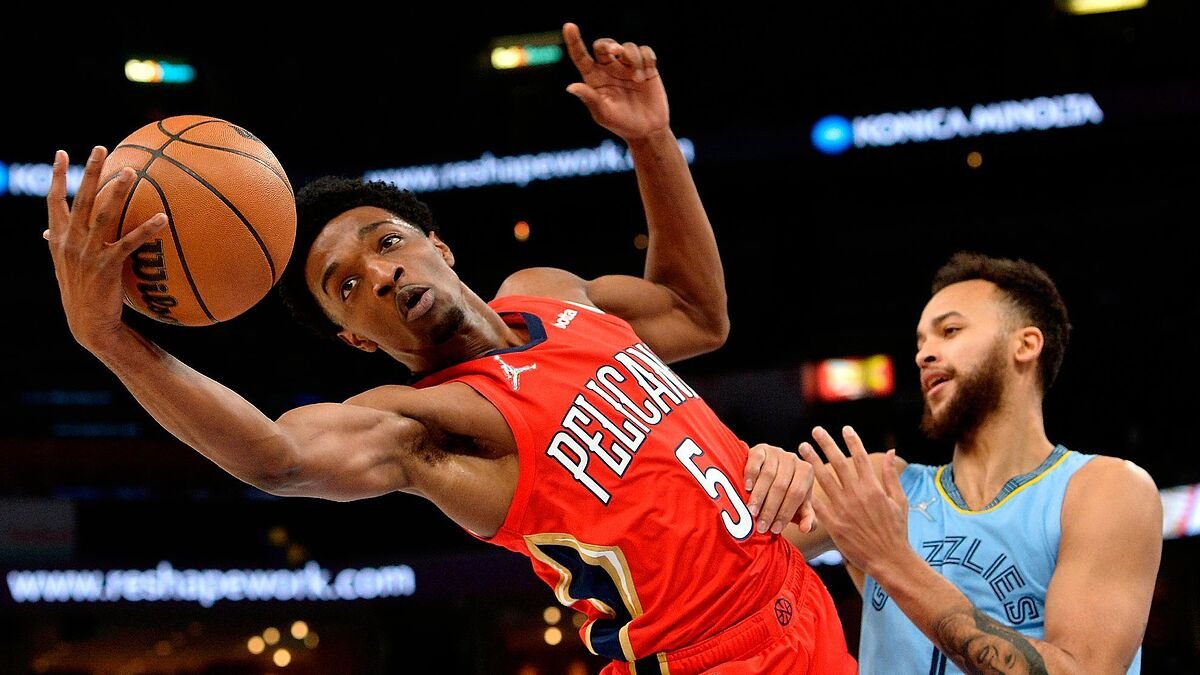
An NBA game typically lasts for 2 hours to 2 hours and 30 minutes, excluding overtime.
Ever wondered about the time commitment involved in watching a professional basketball game? It’s a common question, especially if you’re planning an evening around catching the action. Many fans want to know exactly how long an NBA game lasts.
The actual game clock runs for 48 minutes, divided into four 12-minute quarters. However, the overall time is significantly longer. This is due to timeouts, halftime, and stoppages for fouls or ball out of bounds.

How Long NBA Game Lasts
So, you’re curious about how long an NBA game actually lasts? It’s a great question! While the official playing time is set, the actual time you spend watching a game can be a bit longer. Let’s dive into all the details that affect the total length of an NBA game.
The Basics: Official Game Time
Let’s start with the official rules. An NBA game has four quarters, and each quarter is 12 minutes long. This means that the total scheduled playing time for a game is 48 minutes (12 minutes x 4 quarters = 48 minutes). But, as any basketball fan knows, that’s not the whole story. It’s rare to see an NBA game finish in just 48 minutes due to various stoppages, and breaks.
Breaking Down the 12-Minute Quarters
The 12-minute quarters are the core of the game. Players are constantly moving, shooting, and defending. It’s important to understand this is running time. The clock stops for various reasons which we will discuss in a moment, and this is why game takes longer than the 48 minutes.
- First Quarter: The start of the action, teams feeling each other out, and setting the tone.
- Second Quarter: Often where strategies are fine-tuned, and scoring can pick up.
- Third Quarter: Commonly known as the ‘third quarter’ adjustments, where teams make changes.
- Fourth Quarter: The final stretch, where the intensity rises, and games are decided.
Timeouts: A Key Factor
Timeouts are important for teams to take strategic pauses, draw up plays, and give players a breather. They contribute to the overall game length. Each team gets a certain number of timeouts per game. The timeouts are of two types, full and 20-seconds timeout. They do not take the same time for the teams to resume the play and some stoppages which are automatically included.
- Full Timeouts: These usually last around 1 minute 15 seconds. There are seven timeouts per team in a game.
- 20-Second Timeouts: These are shorter timeouts which last around 20 seconds. Each team gets two 20 second timeouts.
These timeouts, when added up, can take significant time away from the actual playing time. The exact amount of time added due to timeouts varies depending on how many timeouts teams use during the game.
Halftime: The Big Break
At the midpoint of the game, there is a longer break known as halftime. Halftime in the NBA is 15 minutes. This is time used by players and coaches to rest, re-strategize, and to prepare for the second half of the game. It’s a planned break, which adds a set amount of time to the game.
Stoppages in Play: More Than Just Timeouts
Beyond timeouts and halftime, other things can stop the game clock. These contribute to the total length of the game.
Fouls
When a player commits a foul, the clock stops. Depending on the type of foul, the process can take some time. For example, a shooting foul will often result in free throws which takes additional time. There are numerous types of fouls, including common fouls, personal fouls, flagrant fouls, technical fouls and shooting fouls. Each of them will take a different time to complete the process.
- Shooting Fouls: These fouls usually involve a player going to the free-throw line, which adds time to the clock and each free throw takes few seconds to complete.
- Common fouls: These fouls require ball to be inbounded. It can cause some delays, especially when the players take some time to make an inbounds pass.
- Flagrant Fouls: These fouls take more time because it requires the referees to review the play. They stop the game and the official reviews the video replay.
- Technical Fouls: They involve a free throw and possession, which does require some time to complete.
Out-of-Bounds
Whenever the ball goes out of bounds, the clock stops. It takes a few seconds to inbound the ball and resume the play. These stoppages add up over the course of the game.
Injuries
If a player gets injured, the game stops to allow for medical attention. The length of this stoppage depends on the severity of the injury. These stoppages cannot be predicted, but they contribute to the overall game time. In some cases, there are long delays if the player requires further treatment or even needs to be taken to a hospital.
Instant Replay
Referees sometimes use instant replay to review calls. These reviews add time, sometimes a considerable amount, to the game. Especially near the end of the games, teams might request a review, which takes some time to complete, including referees going to monitors and taking a careful look.
Ball Stoppages
Sometimes, the game can be stopped because the ball is stuck somewhere, or there’s a minor interruption in the game. Though it only takes a few seconds, but at the end it does add up to the game time.
Overtime: When Games Go Longer
Sometimes, a game is tied at the end of the fourth quarter. When this happens, the game goes into overtime. An overtime period in the NBA lasts 5 minutes. Games can even go into multiple overtimes, adding significantly to the total game length. Each overtime period will extend the overall game time by at least 5 minutes.
- First Overtime: An extra 5 minutes of play when the game is tied.
- Multiple Overtime: If the game remains tied after the first overtime, there can be second, third, and so on overtime periods until there’s a winner.
Average Total Game Time
Considering all these factors, the average NBA game lasts around 2 to 2.5 hours. However, some games can be shorter, especially if there are fewer fouls and timeouts. Games that go into overtime can easily exceed 2.5 or even 3 hours, depending on how many overtime periods are played.
Factors Affecting Game Length
Many factors influence how long an NBA game will last. Here’s a quick rundown:
- Number of Timeouts: Teams that use all their timeouts will extend the game more.
- Foul Count: More fouls mean more stoppages and more free throws.
- Number of Replay Reviews: Instant replays cause the clock to stop for video review.
- Overtime: Games that go into overtime significantly increase the game’s length.
- Pace of the Game: A fast paced high scoring game will likely take more time than a slower-paced game.
- Injury Stoppages: Injuries can add significant time.
What to Expect When Watching
When you sit down to watch an NBA game, it’s good to expect the game to take at least two hours. Games that go to overtime can be even longer. It’s useful to plan your time accordingly and be prepared for the game to take longer than the scheduled play time. It’s always a good idea to have snacks, refreshments, and comfortable seating arrangements when planning to watch a game.
Here’s a summary of things that make the game go longer:
- Timeouts by the team.
- Free throws after fouls.
- Instant replay reviews.
- Injury stoppages.
- Ball going out of bounds.
- Overtime periods.
The game length is variable and no NBA game is the same, it depends on the flow of the game, game plan of coaches, play style of the team, and even the referees. Because of all these, the time that a game can last can be highly variable.
So, while the official playing time is 48 minutes, the actual time it takes to watch a game is usually much longer. The game’s pace, timeouts, fouls, injuries and any replay reviews all contribute to the total length of an NBA game.
NBA Superstars' LAST GAME Before Switching Teams !
Final Thoughts
A standard NBA game consists of four 12-minute quarters. However, stoppages for fouls, timeouts, and other events extend the total game time. These breaks make the actual duration vary quite a bit.
Therefore, calculating exactly how long nba game lasts is challenging. The average game tends to hover around two to two and a half hours. This time frame provides a general guideline for fans planning their schedules.

