
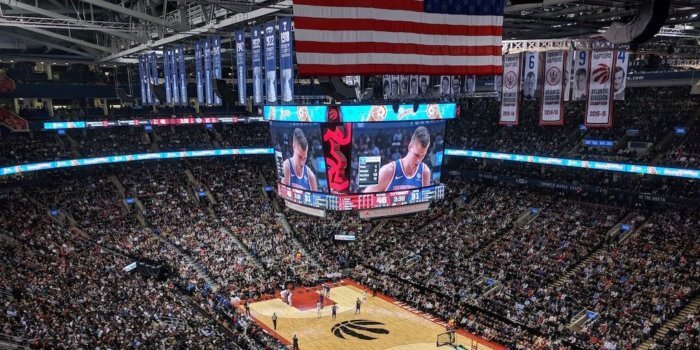
An NBA game typically lasts around 2 to 2.5 hours, but this can vary depending on timeouts, fouls, and overtime.
Ever wondered how long an NBA game actually takes to play? It’s a common question for both new fans and seasoned viewers. Understanding the duration of a game can help you plan your viewing experience.
The actual playing time of an NBA game is 48 minutes, but it’s not just a straight 48 minutes. There are several factors that contribute to the total how long nba game takes, like halftime, timeouts called, and potential overtime periods if the score is tied after four quarters.

How Long is an NBA Game? A Deep Dive
Alright basketball fans, let’s talk about something that’s probably crossed your mind whether you’re a die-hard follower or just catching a game now and then: how long does an NBA game actually last? It might seem like a straightforward question, but there’s actually more to it than just the 48 minutes on the game clock. Let’s break down all the factors that contribute to the total time you’ll spend watching your favorite teams battle it out on the court.
The Basics: 48 Minutes of Play
At its core, an NBA game is divided into four quarters, each lasting 12 minutes. That gives us a total of 48 minutes of playing time. Think of it as the scheduled running time, much like the runtime listed for a movie. This is the standard for professional basketball, and you’ll see it followed pretty strictly. However, what happens within those 48 minutes is just part of the story.
Timeouts: More Than Just a Quick Break
Timeouts are a crucial element of any basketball game. They’re strategic breaks taken by coaches to discuss plays, give players a rest, or try to disrupt the other team’s momentum. Both full and short timeouts add to the total game time. Let’s explore the different types of timeouts used in the NBA.
Full Timeouts
These timeouts are generally 1 minute and 15 seconds long. Each team gets a certain number of full timeouts during a game. The exact number can vary depending on the situation and when the timeouts are taken. Usually, each team is allocated seven full timeouts per game. However, there are limitations, including how many can be used in the last two minutes of the game and the last quarter.
Short Timeouts
Short timeouts are briefer, typically lasting 20 seconds. Teams might use these for a quick chat or to change personnel rapidly. Short timeouts are not as frequent as the full timeouts during a typical game. These quick breaks still contribute to the overall time of the game, even though they are much shorter.
How Timeouts Impact Game Length
The number of timeouts used can significantly impact how long a game lasts. A game with many strategic timeouts can easily run longer than a game with fewer breaks. This is just one factor making it harder to determine an exact end time for the game. The strategic use of timeouts becomes especially apparent toward the end of a close game, and it can turn a potentially quick finish into a drawn out affair.
Halftime: A Longer Break
In addition to timeouts, there is a halftime break that takes place after the second quarter. This is a longer interval, generally lasting around 15 minutes. This extended pause allows players to rest, coaches to make adjustments, and fans to grab snacks or stretch their legs. While this break is important for the players, this contributes to the total length of an NBA game.
Fouls and Free Throws: The Stop-Start Nature
Basketball, by its very nature, involves frequent fouls. When a player is fouled while shooting, it often results in free throws. The process of awarding free throws, lining up, shooting, and rebounding, while quick, takes time, particularly in games with many fouls. The clock stops while free throws are being shot, extending the game.
Technical Fouls
Technical fouls also contribute to the game’s total time. They can be issued for various infractions such as unsportsmanlike behavior or delay of game. Free throws are also awarded for a technical foul and the associated procedures again contribute to the game’s length.
How Fouls Impact Game Duration
The number of fouls and resulting free throws can really make a difference in how long a game takes. Games with frequent whistles, especially in the final minutes, tend to stretch out significantly. This is where things can feel particularly long for the fans who are waiting to find out who will be the winner.
Injuries: Pauses for Safety
Player injuries are an unfortunate part of any sport. When a player gets hurt, the game stops, allowing medical staff to attend to the injured player. These pauses can vary from brief moments to longer periods, depending on the severity of the injury. Obviously, player safety is of prime importance, and the game stops until the player is properly addressed and able to continue.
Instant Replay: Getting the Call Right
In recent years, the NBA has heavily used instant replay to review questionable calls. When a referee needs to consult the replay system, the game pauses while the replay is being reviewed by the officials. While necessary for ensuring fair calls, replays also add to the overall length of the game, particularly if there are multiple reviews during the game.
How Replays Add to Game Time
The time it takes to review a play can vary significantly, often taking several minutes. The more reviewable plays there are in a game, the longer the game takes to complete. While replay technology helps improve accuracy, it also contributes to longer games.
Overtime: When the Game Extends
Sometimes, the game ends in a tie at the end of the fourth quarter. When that happens, the teams go into overtime, giving them an additional five minutes to decide the game’s winner. Overtime is a thrilling time, but it will definitely make the game longer. If the first overtime doesn’t determine the winner, there can be multiple overtimes played.
Multiple Overtime Games
Games can go into multiple overtimes if the score remains tied at the end of each overtime period. Games with multiple overtimes can turn a game with an expected duration to one that can stretch to the three-hour mark, or even more. These marathon games can be very entertaining but also very time-consuming.
Factors Affecting Overall Game Time
Now that we’ve covered all the parts that add to an NBA game, let’s look at the different factors that affect the overall length of the game. It is crucial to realize that the time displayed on the game clock, the 48 minutes, is different from the actual game duration.
Number of Timeouts Used: As mentioned, more timeouts equal a longer game.
Number of Fouls: Frequent fouls, especially late in the game, result in more free throws and stop-time.
Game Intensity: A tightly contested game is more likely to have more fouls, more timeouts, and more stoppages for instant replay review.
Referee Tendencies: Some referees tend to call more fouls than others, which can impact game time.
Overtime Periods: Obviously, overtime periods add an additional five minutes for each period needed to decide the final score.
Number of Replays: The more calls reviewed by replay, the more game time is used to assess the calls.
Injuries: Player injuries cause unavoidable game delays while the player is assessed by the medical staff.
The Average Length of an NBA Game
While it’s hard to pinpoint an exact duration, a typical NBA game often lasts around two and a half hours. However, this is just an average. Games can vary quite a bit in length due to the various factors discussed earlier. Games with many fouls, timeouts, and replays can go beyond three hours, and some have even approached the four-hour mark, although that is rare.
Understanding the Variability
It’s important to realize that there is no set amount of time that a basketball game takes. If you tune in to a game, expect some variability in the time you will spend watching it. This variability is a significant part of the experience of watching NBA basketball.
The NBA Game Timeline
To recap, here’s a basic breakdown of a typical NBA game timeline:
Warm-up: Before the official start of the game, teams usually have some warm-up time. This is usually not considered part of the official game time.
First Quarter: 12 minutes of play.
Brief Pause: A short break after the first quarter, to change sides.
Second Quarter: 12 minutes of play.
Halftime Break: Approximately 15 minutes long.
Third Quarter: 12 minutes of play.
Brief Pause: A short break after the third quarter, to change sides.
Fourth Quarter: 12 minutes of play.
Overtime: If necessary, 5 minutes per overtime period.
This timeline can be affected by timeouts, fouls, injuries, and replays, as we already discussed.
Tips for Planning Your Game Watching
Knowing how long an NBA game takes is useful for planning your viewing experience. Here are a few tips:
Plan for Extra Time: It’s best to set aside at least three hours when you plan to watch a basketball game, just to be on the safe side, due to the various factors that can influence the length of a game.
Check Game Previews: Previews can sometimes give you hints about the style of the game, which might mean a longer or shorter game duration. For example, a game between two very physical teams known for drawing fouls will likely be a longer game.
Be Flexible: Sometimes, unexpected things happen that lengthen the game, like injuries or an intense back-and-forth battle, so try to have flexible viewing plans.
Bring Snacks and Drinks: A longer game means you will need to replenish energy, so bring snacks and drinks to make sure that you stay comfortable.
Check your TV Guide: While these are only estimates, usually they give some kind of approximate time for when the game will be completed.
The Appeal of the Game
Even with the variability in game length, NBA basketball remains a hugely popular and watched sport. The combination of high-flying dunks, skillful plays, and dramatic finishes makes every game a unique experience. The unpredictability of how long an NBA game takes is just one part of the excitement and thrill of the sport.
Understanding the many different elements that contribute to the length of a game also makes you a more informed and engaged fan. So, the next time you settle in to watch your team, you will not only be watching some amazing basketball but also be more aware of the many behind-the-scenes factors that make it so enjoyable to watch, even when the time stretches out a little longer than we might have expected.
The actual duration of an NBA game extends well beyond the 48 minutes shown on the game clock. Timeouts, halftime, fouls, free throws, injuries, replay reviews, and overtime all contribute to the final game time, leading to the average of about two and a half hours. These aspects, while potentially adding time, are integral to the excitement, drama, and strategy of basketball. Understanding these factors helps fans enjoy the nuances of the game, regardless of its duration.
How long is a NBA game?
Final Thoughts
The typical NBA game lasts around 2.5 hours, but variations occur. Factors such as timeouts, fouls, and overtime periods can extend the game. Play stoppages greatly influence “how long nba game” will actually take.
These stoppages add considerable time. Television broadcasts also affect the overall duration. The final game time is variable. Therefore, planning based on a set two and a half hours isn’t always accurate.

