
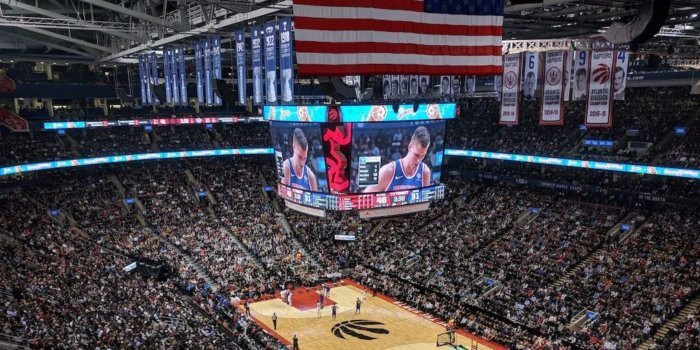
NBA games typically last about 2 to 2.5 hours, though overtime periods can extend the total time.
Ever wondered how long those thrilling NBA matchups actually take? It’s a question many fans have, from casual viewers to die-hards. Figuring out exactly how long NBA games last can help you plan your viewing time.
The length isn’t always precise due to factors like timeouts, fouls, and of course, any potential overtime periods. These elements all add time onto the clock. But, knowing the general duration helps.

How Long NBA Games Really Last: A Detailed Breakdown
Let’s talk about how long NBA games actually take, because it’s more than just the 48 minutes you see on the clock. It’s like when you bake a cake – the actual baking time is just part of the story! There’s prep, cooling, and all the stuff in between. NBA games are similar – there’s so much more than the game clock ticking down. Understanding all these parts will give you a complete picture of the total time commitment when you settle in to watch a game. So let’s get into it!
The Core of the Game: 48 Minutes of Action
At its heart, an NBA game is made up of four quarters, each lasting 12 minutes. So, 12 minutes multiplied by 4 quarters equals 48 minutes of playing time. This is the time when players are dribbling, shooting, and making those amazing plays we all love to watch. This 48 minutes is the foundation, the core playing time of every NBA game. It’s the time that counts towards the score and determines who wins the game. This is the standard timing; unless something very unusual happens like extra time. However, this 48 minutes is just a fraction of the total time you will spend watching an NBA game.
Beyond the Game Clock: Timeouts and Breaks
While the game clock displays 48 minutes of playing time, there are many pauses and breaks that add to the overall duration. These are needed for a variety of reasons. Let’s explore the different kinds of breaks:
Timeouts: Strategic Pauses
Timeouts are like quick strategy sessions where coaches can talk to their players, draw up plays, and help them adjust their game plan. Each team gets a limited number of timeouts per game, and their length varies depending on the quarter or situation. Here’s a basic breakdown:
- Full Timeouts: These are longer timeouts, usually around 1 minute and 15 seconds, that are called more strategically by coaches. A team has multiple full timeouts during a game.
- 20-Second Timeouts: These are shorter, more tactical timeouts, and they only last 20 seconds. A team is allowed to call a few of these, as well.
These timeouts, when combined, can add quite a bit of time to the game. They are important to let teams regroup and plan their next steps.
Quarter and Halftime Breaks
Between each quarter, there’s a short break for players to rest, coaches to strategize, and fans to stretch their legs. These breaks are not just for rest – they are also where you might see some team mascot appearances or other in-arena entertainment.
Between the first and second quarter, and the third and fourth quarter, there’s a break of approximately 2 minutes and 15 seconds.
Halftime: The biggest break, usually lasting around 15 minutes, occurs after the second quarter. It allows teams to regroup, make adjustments, and for the arena crew to prepare for the second half. Halftime is the major break that contributes more to the additional time to the entire game.
These breaks are crucial for players to recover, for teams to refocus and for audience participation and experiences. Without these pauses, the game will be too fast and continuous and might be difficult to play.
The Flow of the Game: Factors Affecting Game Length
The actual duration of an NBA game can vary. It’s rarely a perfect start at one time and exactly done within the specific time, as multiple variables come into play. The game’s flow and competitiveness greatly influence the total time it takes to complete. These are several factors that affect the overall duration of an NBA game:
Fouls and Free Throws
Fouls are a big part of basketball. Every time a foul is committed, play stops, and depending on the type of foul, a player may shoot free throws. Free throws take time, as the player needs to position themselves on the free-throw line, and the ball needs to be given to them. These frequent pauses can increase the game’s time significantly, especially if a game becomes very physical and fouls are frequent. If two teams are closely contesting, the number of fouls may increase, further lengthening the total duration of a game. The clock stops during free throws, as well, which also adds to the total game time.
Instant Replay Reviews
With modern technology, referees can review certain calls using instant replay. This helps make sure that the right calls are being made. However, these reviews can take several minutes, adding to the total game time. Replay reviews are done to ensure accuracy, but they can be a time-consuming process. Referees need to watch the play from different angles, and this can lengthen the duration of a game.
Injuries and Medical Timeouts
When a player gets injured, play stops so that the medical staff can attend to them. Depending on the injury, this could lead to significant pauses, as the medical team needs to evaluate and provide the necessary attention. A serious injury could pause the game for several minutes, while other lesser injuries will be resolved quickly. Even though player safety is paramount, these interruptions can increase the game’s total time.
Close Games and Overtime
When games are very close, especially in the fourth quarter, teams tend to foul more often. They foul in an attempt to stop the game clock and have another chance to score. These frequent stoppages, with the resulting free throws, can lengthen the duration of the game. Additionally, if the score is tied at the end of the fourth quarter, teams play an overtime period. Overtime periods last five minutes each. Sometimes, teams need multiple overtimes to decide a winner, which dramatically increases the total duration of a game.
Commercial Breaks
Just like in many other televised sports, NBA games include commercial breaks. These breaks occur during timeouts, quarter breaks, and halftime. They are an essential part of broadcasting because they help pay for the game production. Commercials can add approximately 20-30 minutes to the overall time. These breaks usually don’t affect the in-arena audience, but for people watching at home or in pubs, these commercials are a large part of the game broadcast, therefore increasing the total time a viewer needs to allocate to watch a game.
Average Duration: What to Expect
So, with all these factors in mind, how long does an NBA game usually last? Typically, an average NBA game takes about 2 to 2.5 hours to complete, from start to final whistle. Some games can be shorter, around 2 hours, while some can stretch to almost 3 hours or even longer, depending on the factors we’ve discussed.
This range is something that a basketball fan needs to be aware of. If you are planning a social event or need to make an appointment after an NBA game, planning an extra buffer time is wise. It’s good to keep this estimated time of 2 to 2.5 hours in mind when planning to watch a game. Games with lots of stoppages or multiple overtimes could potentially extend to 3 hours.
Game Length by the Numbers
Here’s a little summary in a table, to give you a quick reference:
| Element | Typical Duration |
|---|---|
| Game Time (4 Quarters) | 48 minutes |
| Full Timeouts (per team) | ~ 1.25 minutes each (total varies) |
| 20-Second Timeouts (per team) | 20 seconds each (total varies) |
| Quarter Breaks (between Q1/Q2 & Q3/Q4) | ~ 2.25 minutes each |
| Halftime Break | ~ 15 minutes |
| Overtime Period | 5 minutes (if applicable) |
| Commercial Breaks (TV) | ~ 20-30 minutes (total) |
| Average Total Game Time | ~ 2 to 2.5 hours |
Tips for Watching an NBA Game
Plan ahead: Knowing that a game can last around 2 to 2.5 hours helps you schedule your time around it.
Be Patient: Be prepared for the pauses in the game, like timeouts, fouls, and reviews. These are all a normal part of the game.
Enjoy the process: Although the breaks can make the game feel longer, they are important for the team and add to the suspense. Try to enjoy the strategy, the energy, and the excitement of the game.
Stay updated Use NBA websites or apps to keep track of the game’s real time, score and progress.
Comparing NBA Game Length to Other Sports
NBA games are unique in their pacing. If we compare it to other popular games, you will find a contrast in terms of pacing and time. Here’s a quick look at how they stack up:
NFL (American Football): An NFL game has 60 minutes of playing time but typically lasts around 3 hours because of stoppages, commercial breaks, and lengthy reviews. The breaks and timeouts are more frequent in NFL games, so the game’s total duration is usually longer than an NBA game.
MLB (Baseball): Baseball has no time limit. Games can vary greatly in length. It might be 2.5 or 3 hours, but some can last longer than 4 hours. This variation depends on the number of hits, innings and other game related dynamics.
NHL (Ice Hockey): An NHL game has 60 minutes of playing time, split into three 20-minute periods. Including breaks, penalties, and stoppages for play, it usually takes 2.5 to 3 hours to complete.
Soccer: A typical soccer match has 90 minutes of play, divided into two 45 minute halves. With a halftime break and some added extra time, a soccer game usually lasts about two hours. The clock is rarely stopped in soccer, unlike the NBA.
So, while the NBA’s 48-minute game clock seems short, all the stoppages, timeouts, and breaks lead to a game that takes roughly 2 to 2.5 hours on average to finish. The total time in NBA games is comparatively shorter than NFL games, but longer than games like soccer.
Ultimately, the length of an NBA game is an interesting mix of action and pauses. While the 48 minutes of play is the core of the experience, the time spent watching timeouts, free throws, and other breaks is what truly makes a game feel complete. These pauses are not wasted moments; they add to the drama, and give a structure to the game.
How Does the NBA Work?
Final Thoughts
NBA games generally last around two to two and a half hours, including timeouts and halftime. The game clock runs for 48 minutes, divided into four 12-minute quarters. However, stoppages in play cause the actual duration to extend.
Therefore, planning for “how long nba games” can be tricky due to unpredictable game flow. Each game varies slightly depending on the frequency of fouls and timeouts called.
Ultimately, expect to spend about two to two and a half hours watching a typical NBA game. This allows you to enjoy the sport without feeling rushed.

