
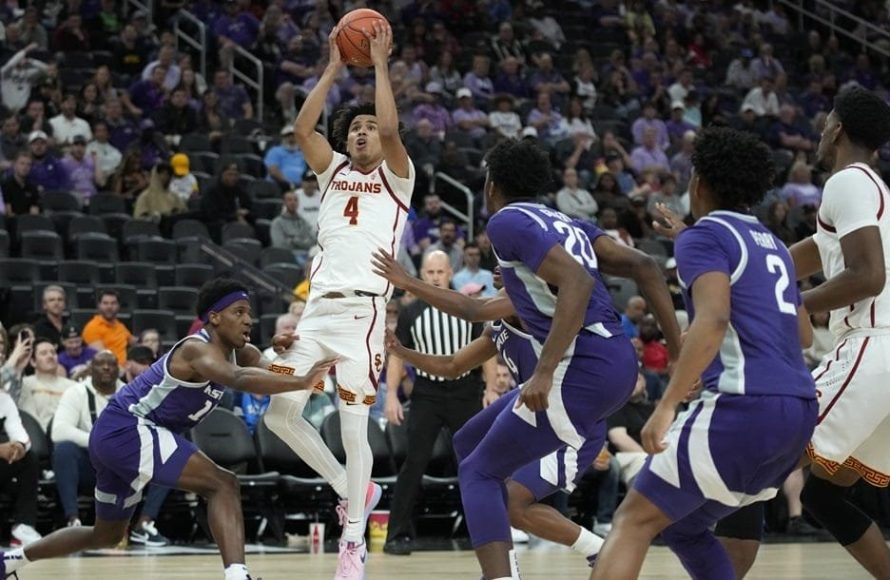
A standard NCAA basketball game lasts for 40 minutes, divided into two 20-minute halves.
Ever wondered about the duration of a college basketball match? Many fans, especially newcomers, often ask, ‘how long NCAA basketball game’ actually is. It’s a fair question since the game clock can sometimes be tricky.
Understanding game time is essential for following the action properly. The pace of the game can really vary, but the base structure remains the same. The clock does stop during timeouts, fouls and other stoppages of play.

How Long is an NCAA Basketball Game? A Detailed Look
Okay, let’s dive deep into the exciting world of college basketball and answer the big question: how long does an NCAA basketball game really last? It’s not as simple as saying “exactly two hours,” because many factors can influence the final game time. So, grab your imaginary jersey, and let’s break down all the time elements.
The Core of the Game: Playing Time
The basic structure of an NCAA basketball game is pretty straightforward, but it differs a little from the NBA (professional basketball). It’s made up of two halves, not four quarters like in the pros.
The Standard Halves
Each half is 20 minutes long. This means that the total scheduled playing time for a game is 40 minutes, which sounds like less than a regular movie, right? But it doesn’t quite work out that way because of other time factors that come into play.
These 20-minute halves are designed to give each team plenty of opportunity to show their stuff, get the ball up and down the court, make amazing plays, and showcase great skills. This provides the perfect length for a good competitive game.
Why Halves Instead of Quarters?
Unlike the NBA which has four 12-minute quarters, the NCAA uses two 20-minute halves. This is a historical difference and affects how the flow of the game is managed. It can affect team strategy, coaching decisions, and the pace of the gameplay. Coaches can also make different strategy decisions depending on how the game unfolds in each half. The halves system allows for different strategies and game approaches.
Timeouts: Those Crucial Pauses
Basketball games are action-packed, but sometimes teams need a breather, or the coach wants to discuss a play, and that’s when timeouts happen. These pauses in the game are essential for strategic reasons, and they also affect the overall game time.
Types of Timeouts
Full Timeouts: Each team is given a set number of full timeouts per game. Usually, these are around 75 seconds long. These timeouts give a good amount of time for players to rest and strategize.
Media Timeouts: These are mandatory pauses set to allow for commercial breaks during televised games. They take longer than regular timeouts and can be 30 seconds to a full two minutes long, or even more. These breaks are especially long on national broadcasts, and they are necessary for television networks, but they can also really lengthen a game.
How Timeouts Impact Game Length
You might think a timeout is just a short break, but all those breaks combined can really add to the total game time. The more timeouts a game has, the longer the game will take. When you have a very tight game that leads to a lot of timeouts used by both teams, it’s going to take longer to finish. Games that have a large number of timeouts can run much longer than those without them.
The Halftime Break: The Reset Button
After the first 20 minutes of play, there’s a break called halftime. This is a chance for teams to go back to their locker rooms, take a rest, regroup, and develop their strategies for the next half.
The Length of Halftime
Halftime in NCAA basketball is 15 minutes long. This 15-minute break allows players to refuel, rehydrate, and also make any adjustments to their game plan. This period of rest is very important for the athletes’ performance. During this time, the coaches will often review their performance in the first half.
Halftime Impact on Total Game Time
Halftime is another period that pushes the total game clock up. It is a significant chunk of time in the total game duration. With all timeouts and the halftime break added in, the time spent on the basketball court stretches far beyond just the 40 minutes of actual playing time.
Fouls and Free Throws: Stopping the Clock
Basketball is a game of contact, and fouls happen. When a player is fouled, it can often lead to free throws. Free throws stop the clock, which will add to the total time of a game.
Fouls and Their Effect
Each foul stops the clock. The game clock stops when the referee blows the whistle for a foul. The more fouls that occur, the more the game clock is paused. The clock continues again when play resumes. These delays are very noticeable in games where many fouls are called.
Shooting Fouls and Free Throws: When a player is fouled while shooting, they will go to the free-throw line, which is one of the most important skills to have. This process also stops the game clock. Depending on the type of foul, there may be one, two, or three free throws. Each free throw adds more time to the game. Each successful free throw adds another few seconds to the game clock. These pauses can make the total game time increase significantly, depending on the number of free throws that are attempted and the accuracy of those shots.
How Fouls Lengthen the Game
The number of fouls in a game can really affect the total game time. A game with lots of fouls and lots of free throw attempts will take a significantly longer time to complete. If a team is in the penalty situation, that can also lead to more free throws and more time added to the clock. Games with a higher number of free throw attempts will often end up taking longer.
Overtime: Extra Time for Ties
Sometimes, the game is so close at the end of 40 minutes that the scores are tied. When that happens, we go to overtime.
Overtime Periods
Each Overtime period in NCAA basketball is 5 minutes long. Overtime gives both teams a chance to decide the winner.
If the score is still tied after the first overtime period, we go to another overtime, and it continues until a winner is found. Overtime can add a lot of excitement to the game, but also adds more time to the total game length.
The Impact of Overtime on Game Duration
Overtime periods greatly extend the total time it takes to complete the game. One overtime will add at least 5 minutes of play time, and if more are needed, even more time will be added. These periods can make games very unpredictable, but they also make them quite long. With multiple overtime periods, a game can go on much longer than anticipated.
Other Factors that Affect Game Length
Beyond the main time elements, other factors can contribute to variations in game length. Let’s explore those that influence how long a game may last.
Injuries and Medical Timeouts
If a player gets injured during the game, the clock will stop while they are given medical attention. These moments of injury and medical timeouts are important, but they will increase the total duration of the game. Depending on the severity of the injury, it can add a few seconds, or several minutes, of extra time.
If medical personnel need to take a player off the court on a stretcher, that can require several minutes of added time to the game clock. The safety of the players is most important.
Replay Reviews
If a referee needs to review a call using video replay, this also stops the clock. These reviews are critical for accuracy, but they will increase the overall time of the game. Replay reviews are often used when deciding if a shot was a two or three-point shot. Replay reviews can range from only a few seconds to several minutes, and can have a big impact on how long the game lasts.
Equipment Issues
Sometimes, equipment problems can cause a pause in the game. If the ball goes flat or the clock stops working, the game pauses while these issues are fixed. These pauses, while short, add up. They can be annoying for fans but are necessary to have a smooth and fair game.
Technical Fouls and Other Stoppages
Technical fouls, like unsportsmanlike conduct or other violations, will also cause the clock to stop and will also often lead to free throws. These technical fouls contribute to the time increase of a game, especially when they are issued very often. Other small stoppages like retrieving the ball out of bounds or during a ball handling dispute can add seconds to a game.
The Average Total Length
Okay, now that we’ve looked at all the factors that affect the time of an NCAA basketball game, let’s discuss the average overall game length.
Approximate Time
Most NCAA basketball games take between two and two and a half hours to complete. This includes all playing time, timeouts, halftime, and any stoppages. This average time can change depending on the factors mentioned above.
However, a really close, hard-fought game with a lot of fouls, timeouts, and maybe overtime can stretch closer to three hours, or even a little bit longer in some rare cases. But these longer games are not the norm.
A game with fewer timeouts, fouls, or other stoppages will be shorter and will typically come in at under two hours. Games that are one sided or blowouts tend to finish faster.
How to Plan Your Day
When you are planning to go to a game, plan to be there for at least two and a half hours to be on the safe side, especially if it is a big game that you think will go down to the wire. This time will ensure you don’t miss any of the action, the thrilling moments, and any dramatic finishes. When you are planning on watching a game on TV, you should set aside the same amount of time to ensure you can see the whole game.
Visualizing the Time Elements
To help visualize how all these elements combine to create the overall length of a game, let’s put together a simplified table.
| Game Element | Average Time | Notes |
| ———————- | ————————– | —————————————————————————– |
| Playing Time (2 halves) | 40 minutes | 20 minutes per half |
| Halftime Break | 15 minutes | Time for teams to rest and regroup |
| Timeouts | 5-10 minutes per team | Can vary greatly depending on usage and media timeouts |
| Free Throws/Fouls | 10-20+ minutes | Depends on the number of fouls and resulting free throws |
| Overtime(s) | 5+ minutes per period | Only if the score is tied at the end of regulation, and goes longer with more overtimes. |
| Injuries/Reviews | 2-10+ minutes (total) | Can fluctuate greatly depending on the game |
| Total Game Time | Approximately 2 to 2.5 hours | Varies based on above factors. Can go longer, up to 3 hours or more. |
Why Understanding Game Length is Important
Knowing how long an NCAA basketball game can last helps you plan your schedule better. You’ll know roughly how much time you will spend watching or attending a game. For fans, understanding the total time allows you to plan your day better and helps you manage expectations. It also helps coaches and players better plan out their strategies.
Understanding these factors gives you a deeper understanding of the game and provides appreciation for the strategic and time management elements that are integral to the sport.
So, the next time you settle in to watch a college basketball game, you’ll be prepared for how long it will likely take! The clock, the timeouts, and all the exciting action all play a role in making these games unique and unpredictable.
The length of a game is not just about the playing time. It’s also about the breaks, the calls, the injuries, and those moments when the tension is so high that the clock seems to slow down. All of these moments together are what make NCAA basketball so exciting to watch.
Tennessee vs Florida – NCAA Basketball 1/7/2025 Full Game Highlights (NBA 2K25 Sim)
Final Thoughts
An NCAA basketball game typically lasts around two hours, though variations occur. This includes the four 10-minute quarters and a 15-minute halftime.
Timeouts, fouls, and other stoppages can lengthen the game. These factors make the clock unpredictable.
So, when considering ‘how long ncaa basketball game’ is, plan for a minimum of two hours. Allow extra time, just in case.

