
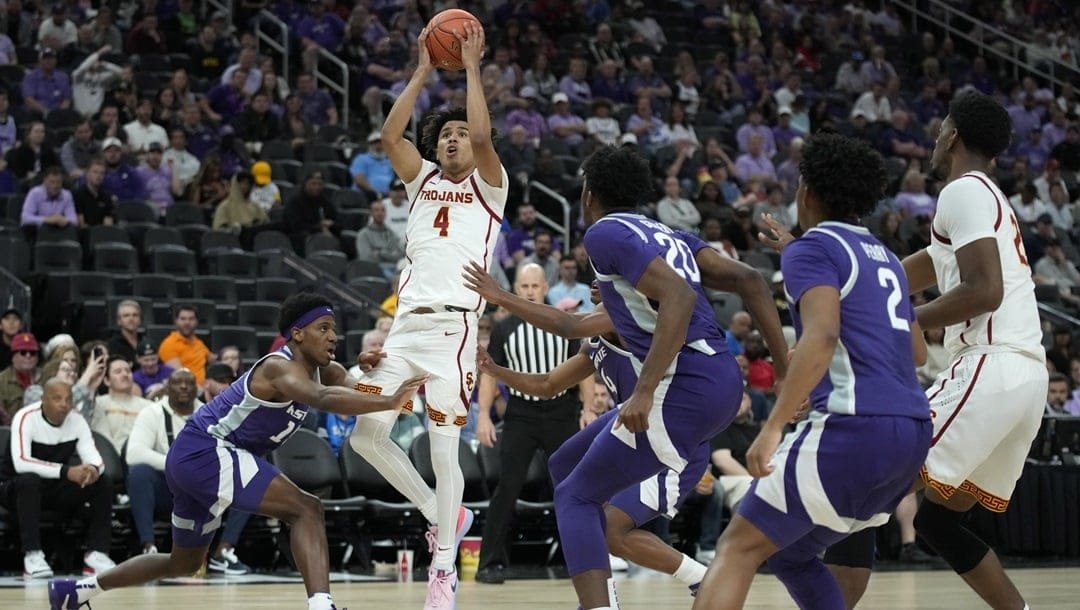
College basketball games typically last around two hours, including timeouts and halftime.
Ever found yourself wondering how long to college basketball games last? It’s a common question for both new fans and seasoned spectators. The game’s structure includes two 20-minute halves, but that’s not the full picture.
Various breaks throughout the game, like timeouts and a significant halftime, affect the total duration. These stoppages extend the clock past just the playing time. So, anticipate spending about two hours enjoying the action.

How Long Do College Basketball Games Last?
So, you’re a big fan of college basketball, right? You love the fast breaks, the slam dunks, and the buzzer-beaters! But sometimes, you might wonder just how long you’ll be glued to your seat (or the TV screen). The answer isn’t always simple, because a few things can affect how long a game actually takes. Let’s break down all the factors that contribute to the total time of a college basketball game, so you know what to expect when you settle in to watch your favorite team.
The Standard Game Length: Two Halves of Action
The basic structure of a college basketball game is pretty straightforward. It consists of two halves, each lasting 20 minutes. This 20-minute half format is standard in NCAA (National Collegiate Athletic Association) men’s and women’s basketball. So, if you just looked at the clock, you might think that the games last just 40 minutes. But, that’s not quite the case. We need to factor in some time-outs and other pauses.
Game Clock vs. Real Time: What’s the Difference?
Think of the game clock as the referee’s timer for the active playing time. When the ball is in play, the clock runs. However, like in a game of tag, the game clock also pauses when certain things happen. When the game clock is stopped, that’s where the “real” time of the game goes beyond the 40 minutes on the game clock.
Time-Outs: Strategizing and Catching Your Breath
Time-outs are when coaches get to talk to their teams, plan the next play, or just give their players a little break. Each team gets a certain number of time-outs per game, and these add to the overall time. Here’s a little more about time-outs:
- Full Time-Outs: Teams get a limited number of full time-outs. Full time-outs in college basketball are usually 60 seconds long. These are usually used at critical points in the game.
- 30-Second Time-Outs: Teams also have a certain number of these shorter time-outs. They give teams a chance to make smaller adjustments without burning a full timeout.
The number of time-outs, and how often they are used, will impact how long the game takes. For example, late in a close game, you will often see more time-outs as teams try to slow the pace, or save the clock. These time-outs can extend the overall game time noticeably.
Halftime: A Longer Break for Players and Fans
After the first 20-minute half, there is a break called halftime. Halftime is typically 15 minutes long in college basketball, this break lets players and coaches regroup and fans can get a snack. It’s like a mini-intermission where everyone gets to recharge before diving back into the action. This time is added to the overall time of the game.
The Impact of Fouls: Stopping Play
Fouls are another important part of basketball, and they can have an impact on game length. When a player commits a foul, the game clock stops. Depending on the type of foul, a player might get to take free throws. Free throws take some time to shoot. Here’s what happens when a foul is committed:
- Free Throws: Time is added to the game as the player lines up, shoots, and the ball is rebounded or put back into play. Each made free throw adds time to the game too.
- The Ball Being Brought Back Into Play: Even if there are no free throws, the time that it takes for the ball to be inbounded also adds to the game’s overall time.
If the foul is on a player that already has a lot of fouls, it might trigger a discussion by the officials or even a review on video. This would add some more time to the game. More fouls mean more stops, which leads to a longer game.
Overtime: Extra Basketball Fun (and Time!)
Sometimes, even after 40 minutes, the teams are still tied! When this happens, we get the excitement of overtime. In college basketball, overtime periods are 5 minutes long. If the teams are tied again after one overtime period, they will play another. Overtime can drastically change the length of the game, sometimes by 10, 15, or even more minutes depending on how many periods of overtime are required.
Reviews and Replays: Checking the Details
Modern technology has given us video replays. When there is a questionable call or if a shot happened as time expired, officials can use replays. These reviews take extra time, but they make sure the right calls are made. Reviews can take from a few seconds to a few minutes, but can add a little more time to the game.
The Flow of the Game: Fast vs. Slow
The style of play can also impact how long the game feels. A team that plays a very fast-paced style with many shots will usually have more stops in the game and more time-outs than a slower paced game. If a team plays a “slow” style of play by carefully running their offense, the game might be faster. Games that are low-scoring can also feel quicker than a game full of scoring. In general, a game can take anywhere from 2 to 2 1/2 hours (and longer with overtime) to complete.
Factors That Can Shorten the Game
While many things can make a game longer, there are some factors that can shorten them.
- Blowouts: If one team is significantly better than the other, and the game becomes a “blowout” early, there may be fewer time-outs called and the teams might run less complex offense which keeps the clock running more often, which results in a shorter game.
- Fewer Fouls: Fewer fouls mean less time stopping the clock to award free throws or manage situations. This will help a game move quicker.
Average Game Length: What to Expect
So, with all these things that make a game longer or shorter, what’s the average? While it’s not always the same, you can usually expect a college basketball game to last around two hours, give or take. This takes into account the two 20-minute halves, halftime, time-outs, and the various stops for fouls and other calls. Games can go a little shorter or longer, but this is a pretty good estimate. Here’s a summary table for quick reference:
| Element | Typical Duration |
|---|---|
| Two Halves | 40 Minutes (2 x 20 minutes) |
| Halftime | 15 Minutes |
| Time-Outs | Varies, but usually several minutes total throughout the game |
| Fouls and Free Throws | Varies, dependent on the number of fouls during the game |
| Overtime | 5 Minutes per Overtime |
| Reviews | Few Seconds to a few minutes |
| Total Average Game Length | Around 2 hours |
Planning Your Day Around a College Basketball Game
Now that you have a better idea of how long a college basketball game can last, you can better plan your day! If you’re going to a game in person, or planning a get-together with friends, think about allowing for at least a couple of hours (and maybe a little longer just in case). Also, remember that travel time to and from the arena needs to be considered!
Understanding how long college basketball games last can help you make sure that you don’t miss a minute of action. From the two 20-minute halves to the timeouts and possible overtime, there are many factors that can cause a game to go a bit longer than you might expect. Be sure to settle in and enjoy your favorite game and be prepared to spend about two hours (or more!) enjoying every moment. Now go cheer on your favorite college basketball team!
Auburn Tigers vs. LSU Tigers | Full Game Highlights | ESPN College Basketball
Final Thoughts
College basketball games typically last around two hours. The actual game clock runs for 40 minutes, divided into two 20-minute halves. However, timeouts, halftime, and other stoppages extend the total duration.
Therefore, figuring out exactly ‘how long to college basketball games last’ requires accounting for these added breaks. The game experience usually fills a two-hour time slot.

