
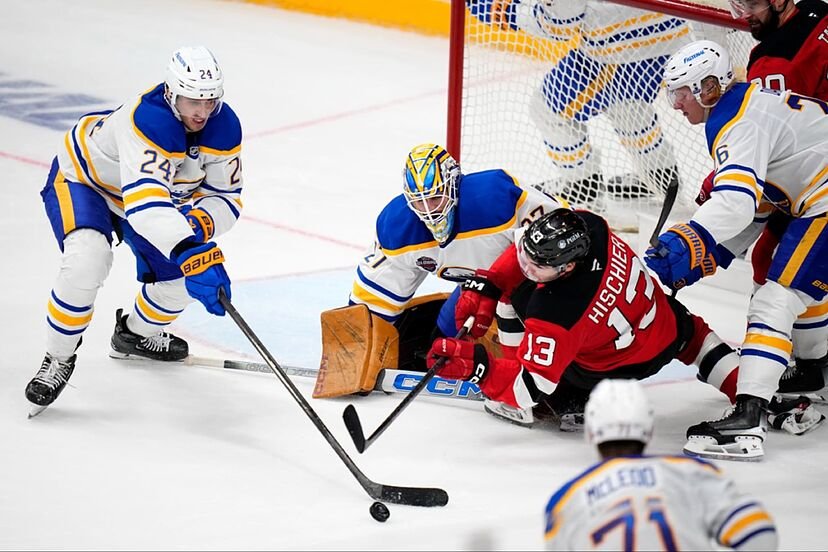
A standard hockey game lasts for 60 minutes of playing time, divided into three 20-minute periods, with intermissions between each period.
Ever wondered how long to hockey games last? It’s a common question for both new fans and those just curious about the sport’s timing. Games aren’t just a straight 60 minutes of action.
There are intermissions between each of the three 20-minute periods. These breaks, along with stoppages in play, mean that the total time for a hockey game is usually much longer than just the playing time.

How Long Do Hockey Games Last?
Ever wondered how long you’ll be cheering (or maybe biting your nails) during a hockey game? It’s not as simple as saying “two hours” – there’s a lot more to it! The actual game time is pretty consistent, but things like stoppages and intermissions can make the total time at the arena vary. Let’s break it down, so you know what to expect when you go to watch some exciting hockey action.
The Core Game: Three Periods of Play
At the heart of every hockey game are three periods. Each period is 20 minutes long. This might sound straightforward, but remember, this is just the “playing time.” It doesn’t include all the other things that happen during a game.
What Happens When the Clock Stops?
The game clock doesn’t just keep ticking. It pauses for many reasons. Think about it – every time the puck goes out of bounds, the whistle blows, or a player commits a penalty, the clock stops. This means that a 20-minute period will take longer than 20 minutes of real time. These stoppages, called “clock stoppages,” add a considerable amount of time to the overall duration of each period.
- Puck Out of Play: When the puck leaves the playing surface, whether into the crowd or over the boards, play stops, and so does the clock.
- Penalties: If a player breaks a rule, they are penalized, and the clock stops for the referee to make a call and to get the penalized player off the ice.
- Icing: If a player shoots the puck from behind their own blue line all the way to the opposing team’s goal line without the puck being touched by another player, it’s considered icing, and the clock is halted.
- Injuries: Sadly, injuries happen in hockey. When a player gets hurt, the game stops for medical attention.
- Goals: When a player scores a goal the game clock stops to allow for the goal celebration and puck retrieval.
- Timeouts: Teams can call one timeout in a game. This is typically done when a team needs to regroup, or slow down a game.
These events happen often during a hockey game, so the time they add up to can be quite significant. It’s not uncommon for a 20-minute period to stretch out to about 30-40 minutes with all the stops.
The Intermissions: Breaks Between the Action
Between each period, there’s an intermission. These are important breaks when players rest and strategize. They also allow time for the ice to be resurfaced so the ice quality remains good for the next period. These intermissions are not included in the game clock’s runtime.
How Long Do Intermissions Last?
In most professional hockey leagues like the NHL, the intermissions are typically 15 to 18 minutes long. This can vary slightly by the league, but these are the common lengths.
This means that two intermissions in a standard game add approximately 30-36 minutes onto the total time at the arena.
Calculating the Total Hockey Game Time
Now, let’s put all the pieces together to understand how long a game really takes.
Breaking It Down Step-by-Step
- Playing Time: Three periods x 20 minutes each = 60 minutes of playing time.
- Intermission Time: Two intermissions x about 15-18 minutes each = about 30-36 minutes.
- Clock Stoppages: The extra time added by stoppages is hard to predict, but we know they usually extend each 20-minute period to between 30-40 minutes in real-time. So, three periods could take around 90 to 120 minutes of real time.
A Rough Estimate
Adding all of this together, most hockey games at the professional level will last approximately 2.5 to 3 hours. There will be some variation in the actual time depending on the game.
Factors That Can Affect the Length of a Hockey Game
While we’ve given a good estimate, certain things can make a game shorter or longer.
Overtime: When Extra Time is Needed
If a game is tied at the end of the three periods, most leagues go into overtime. The rules for overtime vary depending on the league. Here’s a basic overview:
- Sudden Death: In most leagues, overtime is sudden-death, meaning the first team to score wins the game.
- Overtime Length: Overtime periods are typically shorter than regular periods (around 5 minutes in many cases).
- Different Formats: Some leagues use 3-on-3 overtime, which is fast-paced, and also the team to score first wins.
- Shootouts: If no one scores during the overtime period, some leagues use a shootout to decide the winner, where players take penalty shots at the goal.
Overtime and shootouts add extra time to the game, sometimes just a few minutes and other times up to 20-30 extra minutes.
Numerous Penalties: A Slower Game
A game with many penalties can become quite long. Every penalty means a stoppage and additional clock time to resolve the infraction. Games with more penalties take significantly longer than games with fewer penalties.
Fewer Stoppages: A Faster Game
On the other hand, if a game has very few stoppages (meaning less icing, fewer penalties, less time with the puck out of play, etc.) the game could move along much faster than usual.
Playoffs vs Regular Season: Any Difference?
The length of games in the playoffs is generally the same as the regular season games. However, what is different is the tension and intensity which will have an impact on the game. It seems that the playoff games have more penalties, more stoppages, and a greater probability of going to overtime. Therefore, expect playoff games to generally run longer.
Level of Play: Youth vs Professional Games
It is worth considering that different levels of hockey have different game times. For example, games at the youth hockey level often have shorter periods. This is done for a number of reasons, including to accommodate younger players’ stamina and the schedule for ice-time availability.
- Youth Hockey: Youth hockey leagues may have 10, 12, or 15 minute periods, rather than the 20 minute periods of professional hockey. These games, when all of the time is included (including intermissions and stoppages) can last closer to 90-120 minutes.
- College Hockey: College hockey games typically have 20 minute periods, just like the professional games, and will last approximately 2.5 to 3 hours.
A Quick Summary Table
To make it easier to remember, here’s a quick look at the typical times involved:
| Element | Typical Time |
|---|---|
| Each period playing time | 20 minutes |
| Each period in actual time (including stoppages) | 30-40 minutes |
| Intermission | 15-18 minutes |
| Total game time without overtime | Approximately 2.5-3 hours |
So, next time you’re heading to a hockey game, be prepared for about three hours of exciting action. Remember, those clock stoppages and intermissions add up. With all the stoppages and intermissions, the 60 minutes of hockey playing time can turn into a 2.5-3 hour event. It’s all part of the game! And if the game goes into overtime, be prepared for an even longer night!
Knowing what to expect in terms of time can help you plan your day and make sure you don’t miss any of the thrilling moments on the ice. Now you’re all set to enjoy the game, knowing exactly how much time you’ll be spending at the rink.
How long is a hockey game?
Final Thoughts
A standard hockey game lasts 60 minutes, divided into three 20-minute periods. Intermissions of 15-17 minutes occur between periods. Therefore, a typical game consumes around 2.5 to 3 hours, including those breaks.
Overtime, if needed, adds time; its length varies based on league rules. Understanding “how long to hockey games last” is crucial for planning attendance or viewing schedules. The total game duration fluctuates.

