
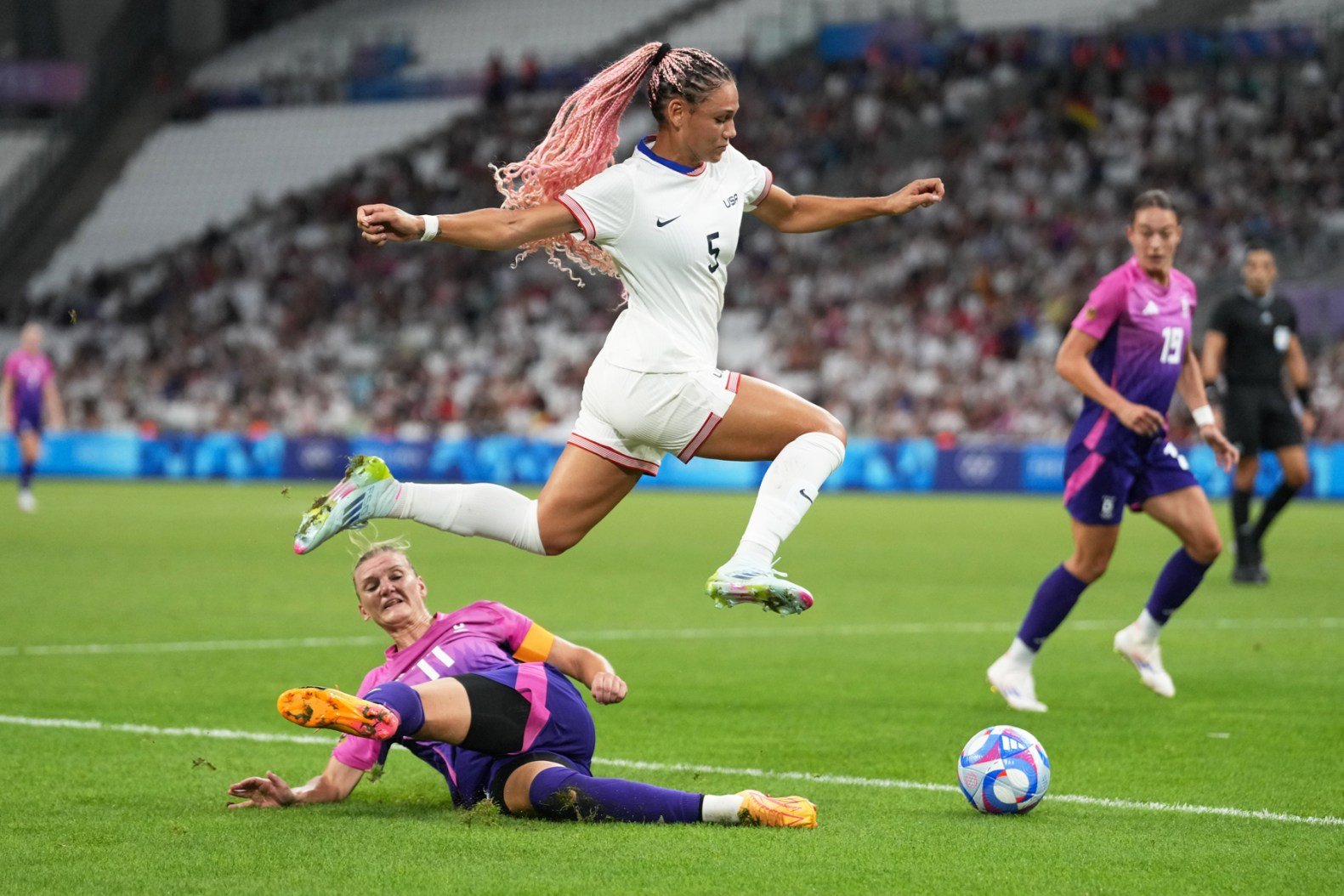
A standard women’s soccer game lasts 90 minutes, divided into two 45-minute halves, with a halftime break of 15 minutes.
Ever wondered about the duration of a match? Figuring out how long womens soccer game is can be pretty straightforward, but sometimes the details get a little murky. We know the excitement of a game can make time fly, it’s good to know the basic timeline.
This article will help clarify the time structure of women’s soccer matches. It’s crucial for both keen fans and those just getting into the sport to understand how the game’s time is managed. This understanding helps keep up with the pace of the match.

How Long Is a Women’s Soccer Game?
Ever wondered how long you’ll be cheering for your favorite women’s soccer team? Well, you’ve come to the right place! It’s important to understand the timing of a soccer match to plan your viewing or attendance. Knowing the duration helps to schedule other activities around this fun event. A typical women’s soccer game isn’t just 90 minutes of running; it also includes breaks and potential extra time. Let’s dive into the details of how long a women’s soccer game really lasts, what makes up the time, and some of the situations that might change the total length.
The Standard 90 Minutes
At the core of every women’s soccer game, whether it’s a friendly match or a high-stakes tournament, is the regulation playing time. This time is divided into two equal halves of 45 minutes each. This format is the standard recognized by FIFA, the international governing body of soccer. Think of it like watching two shorter games back-to-back with a break in between. Each 45-minute half is where all the action happens – the passes, the shots, and the goals. This consistent structure gives fans a predictable experience each time they watch a match.
Half-Time Break
After the first 45 minutes, there’s a break known as half-time. This is a pause in the game where players rest, rehydrate, and strategize with their coaches. Typically, half-time lasts about 15 minutes. This time allows the players to recover and refocus for the next half of the game. It’s also a great time for the fans to stretch their legs, visit the concessions, or analyze the first half with their friends.
Extra Time: When the Score is Tied
Sometimes, a regular 90-minute match can end with a tie score, particularly in crucial games like playoff matches or cup finals. When this happens, extra time might be added. This is an extra 30 minutes of play, split into two 15-minute halves, with a short break in between. If the score remains tied after extra time, there’s another method to determine the winner.
Penalty Shootouts
If the game is still tied after extra time, the match will go to a penalty shootout. This method involves each team taking turns shooting the ball from a penalty spot. Each team has five chances, and the team that scores more goals from these chances wins. If the scores are still tied, the teams keep taking penalties until one scores and the other misses. This can be a very exciting, but sometimes nerve-wracking part of the match.
Understanding “Added Time” or Stoppage Time
You’ll often see that matches extend beyond the stated 45 minutes per half. This extra time is called “added time” or “stoppage time.” The referee determines this extra time, and it’s added at the end of each half of the game. The purpose of this added time is to compensate for time lost during the match. There are various reasons why time might be lost during a match. Here are some of the most common reasons:
- Injuries: If a player gets injured and needs medical attention on the field, the time taken up by this will be added. The referee keeps a close eye on how much time is taken to deal with the injury.
- Substitutions: When a player is substituted or replaced, it usually takes a little bit of time to get the player off the field and the new player on. The amount of time this takes is added to the end of the half.
- Time-Wasting: Sometimes, teams might deliberately waste time to gain an advantage. If the referee sees this happening, they’ll add extra time to make up for it.
- Other Delays: Other things that can cause delays include instances like when the ball goes out of play and there is a delay to retrieve it, or even unusual situations such as when the weather delays play.
The referee uses their judgment to decide how much extra time to add in each half based on what happens during the match. Added time can range from a couple of minutes to several, and there’s no set rule for how long it will be. The amount of added time is often shown on a board held up by the fourth official at the edge of the field. This keeps everyone, from the players to the spectators, informed about how much longer the half will last.
Factors That Can Affect Game Duration
While the 90-minute structure is standard for most women’s soccer games, there are circumstances where the duration of a match might vary. These different factors can change the length of the game, so it’s good to be aware of them when planning your soccer watching schedule.
Age Groups and Levels of Competition
The length of the game can be different depending on the level of competition. For example, youth leagues will have shorter match lengths to accommodate younger players, who have different energy levels and attention spans. A typical youth game might be 60-70 minutes, or sometimes even shorter. High school matches might be around 80 minutes. But professional and international games will nearly always follow the 90-minute format. Here is a simple comparison for typical game lengths based on different competition levels:
| Level | Typical Game Length |
|---|---|
| Youth Soccer (Under 10) | 60 minutes (2 x 30-minute halves) |
| Youth Soccer (Under 14) | 70 minutes (2 x 35-minute halves) |
| High School Soccer | 80 minutes (2 x 40-minute halves) |
| College Soccer | 90 minutes (2 x 45-minute halves) |
| Professional Soccer | 90 minutes (2 x 45-minute halves) |
Friendly Matches vs. Tournament Games
A friendly match is often a less formal game, that usually helps a team prepare for competitive games, or celebrate special events. The rules about added time and tiebreakers might be different from the rules in regular tournament matches. This means that some friendly matches might not have extra time or penalty shootouts. Sometimes, for these games, teams will agree beforehand to stop the match at the end of 90 minutes, even if the score is tied. Tournament games usually always follow the official rules, with the standard 90 minutes, half-time, added time, and potential extra time and penalties.
Special Circumstances
Occasionally, very unique situations can cause the game to be shorter or delayed. These are extremely rare, but it’s interesting to be aware of them. Here are a few examples:
- Severe Weather: Heavy rain, lightning, or other severe weather conditions can make it too unsafe to play. In such cases, the referee might have to pause the game temporarily or even abandon it completely. If this happens, it is not certain the match will resume.
- Equipment Issues: Sometimes the goals, nets, or other equipment can get damaged or fail. Fixing this equipment can take some time, which can delay the game’s normal schedule.
- Crowd Problems: Very occasionally, problems with the crowds or the behavior of fans might make it necessary to delay the game or shorten it.
All of these events are unexpected, so referees have the final decision on how to handle them. They might just add more time if there is a brief delay, or, in the most rare cases, may need to abandon the match if the conditions become impossible or unsafe to continue.
The Flow of the Game
Now that we know how long a soccer game lasts, let’s discuss a bit about the overall flow of the game. It’s more than just two halves of play with a break. The dynamics of the game can make the time seem to go by quicker or slower, depending on the action and momentum.
The First Half
The first half is usually where both teams are fresh and full of energy. Both will want to set the tone for the rest of the game. You’ll often see a lot of action with players making runs, dribbling with the ball, and trying to take shots on the goal. Both teams will be trying to gain control of the match, and this often leads to excitement and anticipation for the fans.
The Half-Time Break
After the first half, the half-time break gives players a chance to rest, reflect, and hear from their coaches. Coaches use this time to make any strategic changes, and the players use it to rehydrate and get some energy. It’s a good time for the fans to discuss the highlights of the first half with friends.
The Second Half
The second half often sees a change in the pace of the game. If a team is behind, they’ll push harder to score and try to tie the match. Teams that are ahead might focus more on maintaining their advantage, and trying to defend from the attacking team. It’s common to see more substitutions in the second half, as players become tired, and the coaches look for fresh legs on the field. This can make the second half more intense and exciting as the game approaches its end.
Added Time and Overtime
When a game goes into added time, anything can happen. Added time is the last opportunity for teams to change the outcome of the match. The pressure can be incredibly high, and both the players and fans feel this tension. If there’s extra time, the energy can become even higher. The extra 30 minutes are a chance to avoid a penalty shootout and decide the winner with more game play. And if the match goes to penalties, it’s anyone’s game. The flow of the game can change completely within seconds, making it gripping for everyone involved.
Knowing the details about how long a women’s soccer game is, how extra time works, and the reasons for delays helps you enjoy it even more. It’s important to remember that while 90 minutes is the standard, added time, extra time, and even penalties can change the total length of the game. Each of these components makes the game dynamic and exciting to watch. So, plan your time, settle in, and get ready for all the excitement of women’s soccer!
HIGHLIGHTS | Real Sociedad vs. FC Barcelona (Liga F 2024-25 Matchday 16)
Final Thoughts
A standard women’s soccer match lasts 90 minutes, divided into two 45-minute halves. There is a 15-minute break at halftime. Referees can add stoppage time for injuries or other delays in play.
The total time can therefore exceed 90 minutes. Knowing ‘how long womens soccer game’ helps plan viewing. This structure applies to most professional matches.

