
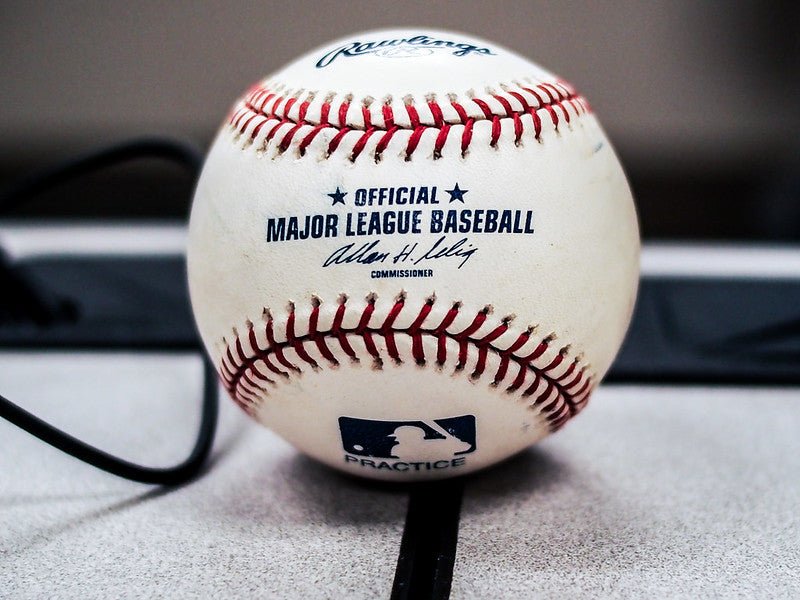
Typically, a professional baseball game uses around 120 baseballs, though the exact number can vary.
Ever wondered how many baseballs are used in a baseball game? It’s a common question for fans, and the answer is not as straightforward as one might think. Several factors influence how many balls a team goes through during a single match.
Fouls, home runs, and balls getting scuffed or damaged contribute to the need for frequent ball changes. Umpires regularly remove balls from play. So the amount used in one match can go into the hundreds.

How Many Baseballs Are Used in a Baseball Game?
Ever watched a baseball game and wondered how many balls they actually go through? It’s way more than just one! It’s not like a basketball game where they mostly use the same ball the whole time. In baseball, balls get hit, they get dirty, and sometimes they even go flying into the stands. So, let’s dive into the fascinating world of baseball usage and find out just how many baseballs get used in a single game.
The Short Answer: It’s More Than You Think!
While there’s no fixed number, a typical Major League Baseball (MLB) game uses anywhere from 70 to 120 baseballs. Yes, you read that right – sometimes even more! This number can change based on several factors, which we’ll explore shortly. It’s definitely a lot of balls being used, but there’s good reason for it.
Why So Many Baseballs?
You might wonder why baseball teams don’t just use the same ball for the whole game. Well, there are several good reasons for this: First and foremost, the condition of the baseball is extremely important. Let’s investigate some key reasons for the high turnover of baseballs.
Condition and Integrity
- Damage from Hitting: Baseballs take a beating! When a batter connects with a ball, the impact can cause slight deformities or scuffs on the leather. These imperfections, even if minor, can affect how the ball travels through the air.
- Dirt and Mud: Imagine a ball bouncing through the infield dirt, or worse, landing in a puddle. Mud, grime, and general dirt build-up can change the ball’s weight and aerodynamics, making it behave unpredictably.
- Maintaining Consistency: To keep the game fair and predictable, baseball officials need to replace balls that have been damaged or soiled. A fresh, clean ball ensures all batters and pitchers face a ball with the intended weight, texture, and flight characteristics.
Safety Concerns
- Protecting the Players: Damaged balls can be dangerous. A split seam or a severely misshapen ball could cause unpredictable bounces or fly erratically, potentially injuring players.
- Reducing Risk of Injury: By regularly swapping out used balls for new ones, the risk of a dangerous situation is minimized. This is about player safety and making sure that the game is as safe as possible.
Rule Compliance
- Umpires’ Role: Umpires are responsible for making sure the baseballs meet certain standards before being put into play. They closely examine each ball before it enters the game to detect damage, dirt, or any sort of tampering.
- Maintaining Standards: By frequently changing out the balls, the game maintains a level of consistency across all the plays. This rule also helps maintain the sport’s integrity and fairness.
The Journey of a Baseball: From Storage to the Stands
Let’s follow the journey of a baseball from the time it arrives at the stadium to when it leaves play:
New Balls Arrive
- Pre-Game Prep: Brand new baseballs arrive at the stadium in boxes. These are typically rubbed with mud by an equipment manager to take away the shine and improve grip for the pitchers.
- Secure Storage: The prepared baseballs are stored in a controlled environment, often in a dugout or bullpen, until they’re needed during the game.
During the Game
- Initial Use: The umpire provides a fresh ball for the pitcher to start the game, or after a previous ball is removed from play.
- Constant Evaluation: Throughout the game, every ball in play is continually assessed by the umpire for damage or irregularities after it has been used.
- Ball Swaps: When a ball is deemed unsuitable for play (hit too far out of shape, dirty, damaged, or having a slight mark), it’s removed from the game and a new ball is introduced into play.
After the Game
- Used Ball Retrieval: Used balls that are still in decent condition may be used for practice and training.
- Souvenir Status: Some baseballs that are hit into the stands are kept by the fans as souvenirs. These balls are usually out of play for good.
- Discarded: Baseballs that are extremely damaged or too dirty are typically discarded after a game. They’ve done their job!
Factors Influencing the Number of Baseballs Used
The final number of baseballs used can change from game to game. Here are some of the most common reasons why some games see more baseballs used than others:
Offensive Production
- Lots of Hits: Games with many hits mean more opportunities for balls to get knocked out of shape or sent into the stands.
- Home Runs: Home runs can be especially costly in terms of baseball consumption, as these balls are almost always retained by fans.
- Foul Balls: A large number of foul balls increases the likelihood that balls will be removed due to damage or getting lost.
Pitching Style
- Wild Pitches: If a pitcher throws a lot of wild pitches, it can lead to balls getting lost or being damaged by hitting the ground hard.
- Ground Balls: Ground balls can be problematic, especially on a muddy infield, quickly making the ball dirty.
Weather Conditions
- Rainy Games: Rain can quickly make the baseballs muddy and slippery, leading to a higher rate of replacement.
- Extreme Heat or Cold: Extreme temperature variations can impact the leather and performance of the ball, leading to quicker replacements.
- Windy Conditions: In windy conditions balls can fly out of the play easily and increase the usage of baseballs.
Game Situation
- Close Games: Sometimes, in tight, tense games, teams may be more cautious about using slightly-damaged or dirty balls.
- Playoff Games: High-stakes playoff games are where the umpires may be extra vigilant about the condition of the baseballs.
The Cost of Baseballs
All these baseballs add up in cost. While the price of a single baseball may seem small, when you consider the quantity that is used in the course of a single season, it becomes quite expensive.
- Official MLB Baseballs: Official MLB baseballs are not cheap, costing around $6 to $10 per ball. When multiplied by hundreds of balls per game, and then hundreds of games per season, the cost can become very substantial.
- Other Levels of Play: Baseballs used in Little League or high school are often less expensive, but the cost adds up for these levels of play as well.
Ball Security
- Dedicated Staff: Baseball teams employ staff to handle baseballs, both new and used. This helps ensure that there are enough baseballs available for the games.
- Storage Protocols: They have very specific protocols for storing, accessing, and distributing these balls during each game.
What Happens to the Used Baseballs?
Used baseballs have several afterlives, depending on their condition:
- Practice Balls: Some used baseballs, if still in reasonable condition, become practice balls for batting and pitching drills.
- Fan Souvenirs: Some are taken home by lucky fans as souvenirs after a home run or other memorable play.
- Charity: Some teams may donate used baseballs to local youth baseball leagues or charities.
- Disposal: Severely damaged or muddy baseballs are typically discarded.
A Quick Recap
Let’s quickly recap the typical amount of baseballs used in a single game:
| Type of Game | Estimated Number of Baseballs Used |
|---|---|
| Major League Baseball | 70-120+ |
| Minor League Baseball | 50-100 |
| College Baseball | 30-80 |
| High School Baseball | 20-60 |
| Little League | 10-40 |
Note that these are estimations and can vary significantly from game to game.
So, the next time you watch a baseball game, remember the incredible number of baseballs that are used. It’s an important part of the game, ensuring player safety, maintaining standards, and giving fans a chance to take home a memorable souvenir. It’s all part of the unique charm of baseball!
Good Question: How Many Baseballs Are Used In A Game?
Final Thoughts
In short, the number of baseballs used in a game varies greatly. Teams often use several dozen baseballs due to foul balls, hits, and general wear and tear. A single game might see 80 to 100 baseballs or even more used.
So, answering ‘how many baseballs are used in a baseball game’ is not an exact science. The quantity depends on many factors during the play of the game. This is just a general estimate of baseball usage.

