
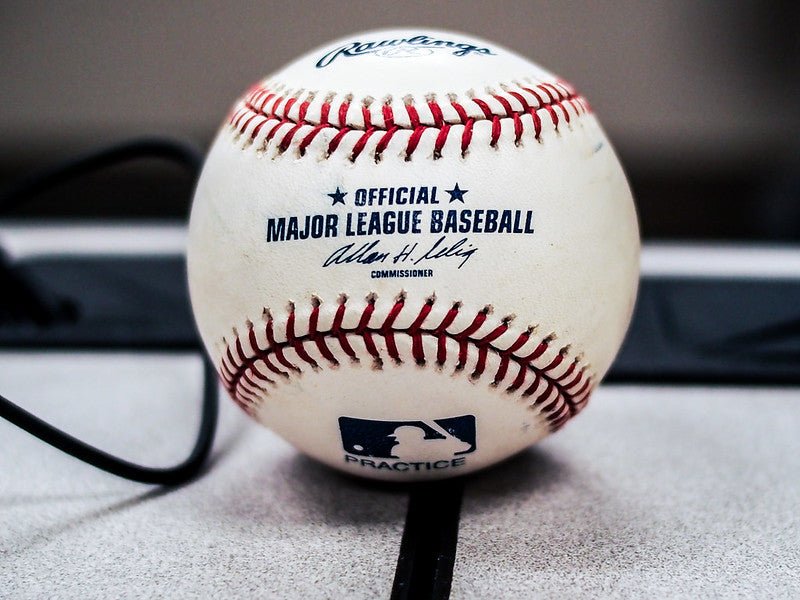
Approximately 120 baseballs are used in an average MLB game.
Ever wondered how many baseballs are used in an average MLB game? The seemingly endless supply of pristine white spheres always ready for action. It’s a staggering number when you think about the constant hits, fouls, and pitching changes happening throughout a single match.
These aren’t just any balls, either; they’re specially made for the pros. The rate at which they get tossed out is surprisingly high.

How Many Baseballs Are Used in an Average MLB Game?
Ever watched a Major League Baseball game and wondered just how many baseballs get used? It’s a lot more than you might think! We’re not just talking about the home runs that fly into the stands. Many baseballs go out of play for all sorts of reasons. Let’s dive deep into the fascinating world of baseball usage during a game, exploring all the factors involved.
The Journey of a Baseball: From Storage to the Stands
Before a single pitch is thrown, baseballs begin their journey to the field. Each MLB game requires a substantial quantity of brand-new, pristine baseballs. These aren’t just any balls; they’re carefully crafted with specific regulations and stored under precise conditions to ensure optimal performance.
Pre-Game Preparation
The process begins long before the first batter steps up to the plate. Teams typically receive multiple dozens of baseballs prior to each series. These baseballs aren’t just tossed haphazardly into a bucket; they are carefully inspected and often rubbed with a special mud to improve the grip for pitchers. This special mud, made of a unique clay, removes the slick surface from the brand-new baseballs, giving pitchers better control over their pitches. The balls are then stored in temperature-controlled environments, a crucial step as temperature and humidity affect how a baseball flies.
- Inspection: Each baseball undergoes a close inspection to verify that it meets MLB standards for size, weight, and stitching.
- Mud Rubbing: The balls are rubbed with mud (specifically Lena Blackburne Baseball Rubbing Mud) to remove any sheen and improve pitcher grip.
- Storage: The baseballs are stored in a humidor, maintaining consistent moisture levels for optimal play.
Why So Many Baseballs?
You might wonder why teams go through so many baseballs during a single game. It’s not just about home runs! There are several reasons why a baseball might get taken out of play.
Fouls
One of the main reasons for the high turnover of baseballs is foul balls. Each time a batter hits a ball that goes out of play, whether it lands in the stands, the dugout, or anywhere else outside the field of play, it is typically removed from the game. These foul balls account for a significant portion of the baseballs used in each game, sometimes even a majority of them. The amount of fouls varies from game to game and depending on the players at the plate, and how many pitches they see before getting a hit or getting out.
Home Runs
Yes, those exciting home runs contribute to the total! When a player hits a homer over the fence, that ball usually disappears into the stands and is replaced by a new one. While this is a less frequent occurrence than fouls, the thrill of a home run means that baseball also contributes to the consumption of baseballs during a game.
Baseballs Hit into the Dugout or Stands
Even if the ball isn’t a home run or a foul, a batted ball that goes out of the field of play is taken out of circulation. This could be a ground ball that flies into the dugout or a pop fly that goes up and over into the seats along the side of the field. These balls are often taken by fans and are not returned to the game.
Pitching Issues
Sometimes, a baseball is removed from play for reasons related to pitching. A ball may become scuffed or damaged, impacting its aerodynamics, making it unsuitable for use. Also, umpires often take baseballs out of play if they feel they have become too dirty or worn. When pitchers throw a lot of pitches, the ball can become worn down, affecting the way it travels through the air. The ball also gets sticky from the rosin bag, which pitchers use to dry off their hands.
Strategic Ball Changes
Umpires also have the discretion to swap out baseballs at their own discretion, if they deem a ball to be unfit for play. If a ball is a little out of shape or has any inconsistencies, it can be taken out of the game, and a fresh ball is put into play.
The Numbers Game: How Many Baseballs on Average?
So, after all that, what’s the real number? While it’s tough to give an exact figure for every game due to fluctuations, we can look at averages. On average, an MLB game uses anywhere between 70 to 120 baseballs. Keep in mind that some games might be much higher and some might be lower depending on the circumstances of the game.
Factors That Influence the Number
Many factors can sway the number of baseballs used in a game. Here are some key elements:
- Pitch Counts: If pitchers are having trouble getting batters out, and throwing a lot of pitches in each at-bat, it means they’ll be getting more chances to foul off pitches and thus potentially go through a large amount of balls.
- The Number of Home Runs: A game with a lot of home runs will use more baseballs than a game with just a few.
- Fouls: A game with a lot of foul balls will use more baseballs than a game with only a few. This factor is probably the most variable and also the most impactful on the number of balls used in a game.
- Pitcher Control: Pitchers who struggle to control their pitches can lead to more balls in the dirt or wild throws that go out of play.
- Weather Conditions: Rain or extreme temperatures can affect the condition of the baseball, causing it to be taken out of play sooner than normal. Also, in a situation with a lot of wind, more balls might be blown out of the play into the stands.
- Game Length: An extra-innings game will naturally use more baseballs than a standard nine-inning game.
An Approximate Breakdown
Let’s look at a possible breakdown of where all those baseballs go during a game. These numbers are rough estimates and can vary.
- Foul Balls: 50-80 baseballs
- Home Runs: 2-8 baseballs
- Balls out of Play that are not Home Runs or Fouls: 10-20 baseballs
- Pitching Changes & Other: 5-15 baseballs
This shows how much variation exists within the amount of balls used per game.
The Fate of Used Baseballs
What happens to all those used baseballs after they’re taken out of the game? It depends on their condition. The ones that are scuffed, dirty, or otherwise damaged are removed from the game permanently, they can be given as souvenirs, used for practice, or donated to local baseball teams. Here are some possible scenarios:
- Fan Souvenirs: Many balls that are hit into the stands during a game end up as a treasure for fans who get to keep them.
- Souvenirs: Some players and coaches request to keep baseballs for various reasons, and they are often allowed to take some of the used balls.
- Team Practice: Baseballs that are still in reasonable shape, but are no longer fit for official use, are often reused during team practices or batting practice.
- Minor Leagues and Charities: Some teams may donate used baseballs to minor league teams, charities, or youth baseball organizations, allowing them to be used for practices and games on a lesser level.
- Collection: Many collectors seek to obtain game-used baseballs for collections. Balls from milestone games are especially popular amongst collectors.
- Disposal: Baseballs that are very damaged or no longer useable are often disposed of, but that is less common than the other alternatives mentioned.
The Impact of the High Usage of Baseballs
The high usage of baseballs in MLB games has implications beyond just the numbers. It affects the sport in different ways.
Economic Factors
The constant demand for new baseballs also has economic impacts. A single, high-quality MLB baseball costs money to manufacture, and those costs add up when you consider the massive amount used in the league every year. There is a steady, ongoing need to produce new baseballs for MLB, which means that money is constantly spent on manufacturing and purchasing baseballs.
Environmental Considerations
The continuous production and disposal of baseballs have some environmental implications, including resource usage and waste generation. While many are reused or repurposed, the constant production of new baseballs does have some impact. MLB has made changes in recent years to try to reduce the amount of waste generated in the sport.
The Unique Experience of the Game
Finally, the use of so many baseballs is a part of what makes baseball such a unique viewing experience. The anticipation of every pitch, and the possibility that the ball will fly into the stands, adds a layer of excitement to the game. It all adds to the magic of baseball, which is full of so much tradition.
So, the next time you’re watching a baseball game, remember the many factors that contribute to the use of many balls per game. It’s not just about the home runs; it’s about the fouls, the pitching changes, and the many other moments that add to the drama and excitement of the game. Hopefully this clarifies just how many baseballs are used in a typical MLB game. The amount is certainly surprising if you haven’t thought about it much before.
How Many Baseballs in MLB Game?
Final Thoughts
On average, Major League Baseball games utilize approximately 120 baseballs. This high number accounts for foul balls, home runs, and balls taken out of play for various reasons. Teams replace balls often to maintain consistent play conditions.
Therefore, understanding how many baseballs are used in an average mlb game highlights the significant amount of equipment required. This also speaks to the game’s dynamic nature.

