
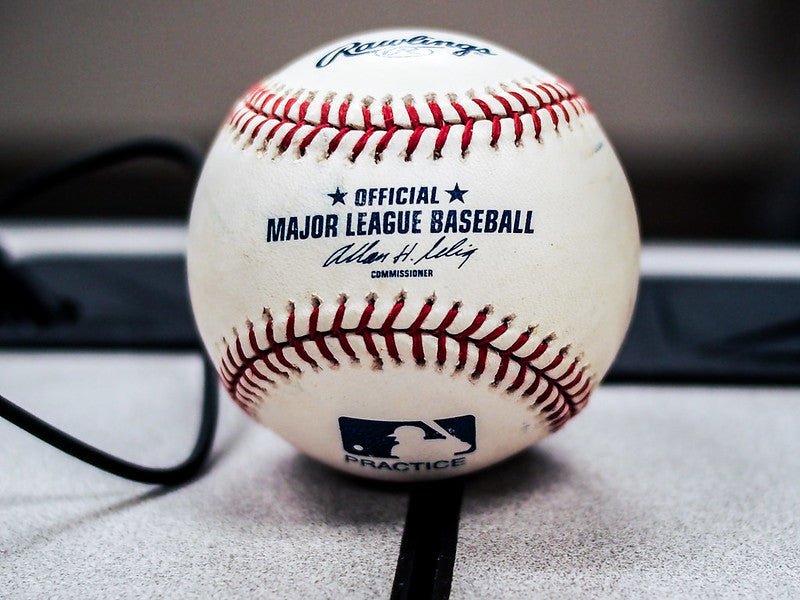
Approximately 120 baseballs are typically used in one game.
Ever wonder about the sheer quantity of equipment involved in a baseball game? It’s more than just bats and gloves, you know. The question of ‘how many baseballs used in one game’ often pops up among fans. It’s surprising when you think about all those foul balls, home runs, and even just simple pitch changes.
The actual number might fluctuate slightly, depending on various factors. However, a fairly consistent amount gets used each time. This use reflects the fast-paced nature of the game, and the high impact each ball receives.

How Many Baseballs Used in One Game?
Ever watched a baseball game and wondered just how many baseballs they go through? It’s more than you might think! It’s not like other sports where one ball is used for the entire match. Baseballs get hit, get dirty, get scuffed, and sometimes even disappear into the stands. Let’s dive into the fascinating world of baseballs and explore how many are typically used during a single game.
The Reasons Behind the Frequent Ball Changes
Why can’t they just use one baseball for the whole game? There are several good reasons why baseball teams use so many baseballs. First, the condition of the ball greatly impacts how the game is played. Here’s a breakdown of the key factors:
Impact on Performance
- Loss of Grip: When a baseball gets dirty or scuffed, it loses some of its grip. This makes it harder for pitchers to control the ball, and it can change the way a ball behaves when hit. Think about it: a pitcher needs to have a good grip to throw those curveballs and fastballs accurately!
- Scuffing and Damage: A hit baseball often comes into contact with the bat, sometimes leaving scuff marks or even slightly misshaping it. A scuffed ball flies differently, which can be unsafe and unfair to both the batter and the fielders.
- Safety: If a ball is damaged, there’s a higher chance it might break apart. This could lead to small bits of the ball flying off, which could cause injury, particularly if it hits someone in the face. Changing to a new, undamaged ball keeps everyone safer.
Therefore, keeping the baseballs in good condition is important for fair play and player safety. That means, frequent ball changes.
Rules of the Game
Even if a ball seems alright to the average person, umpires are always watching the baseballs very closely. They have a particular method to inspect and change them:
- Umpire’s Discretion: Umpires have the power to take any ball out of play if it’s deemed unsuitable, even if it’s only slightly damaged or discolored. This could happen after a foul tip, a hard hit into the ground, or just because it’s gotten too dusty.
- New Ball Requirement: In some situations, a fresh new ball will be introduced for fairness. For example, if a ball is hit into the stands or out of play. The teams need to have access to an abundance of new baseballs available at all times.
Tracking Baseball Usage: A Statistical Deep Dive
It’s fascinating to look at the average number of baseballs used, but the actual amount can vary a lot from game to game. Several elements influence the quantity of baseballs used:
Factors Influencing the Number of Baseballs
- Pitching Styles: If there are pitchers who throw a lot of breaking balls (like sliders and curveballs), they tend to scuff the baseballs more often, which means more changes.
- Weather Conditions: On a hot, humid day, the baseballs may get more slick due to moisture, and they would need to be changed more frequently. On a rainy day, the balls get wet and need to be switched out.
- Home Run Count: Every time someone hits a home run and the ball goes into the stands, it means one less ball on the field, and a new one must be introduced. Games with a lot of home runs see a faster depletion of baseballs.
- Fouls & Hits: A high number of foul balls and hits into the dirt can also make more baseballs get taken out of play. Some balls go into the dugouts or stands, sometimes they go to the outfield, or sometimes they hit some object and become unplayable, resulting in the increased number of baseballs being used.
- The League: Each league may have different rules regarding when and how often a baseball must be changed. Major League Baseball has different rules than a youth league.
- Ball Quality: The quality of the baseball used can also influence how often they need to be swapped. Some balls will be more durable and less likely to be affected by normal gameplay than others.
General Statistics
While the specific number of baseballs used in a game can vary widely, baseball experts have given a reasonable estimation. Here are some general statistics:
- Average Game Usage: On average, a professional baseball game typically uses anywhere from 8 to 12 dozen baseballs. That’s between 96 to 144 baseballs per game!
- Extreme Cases: Some games, especially high-scoring ones or ones with lots of foul balls, can use over 200 baseballs. While others, that have very low scores may end up using 70-80 baseballs only.
- Seasonal Impact: During the season, many baseballs are used because there are so many games. There may be even a requirement of thousands or tens of thousands of baseballs for one baseball team, just for the whole season.
Think of it like this: if you were to watch several baseball games in a row, the amount of baseballs used could fill several large boxes! That’s quite a lot of baseballs!
The Life Cycle of a Baseball in a Game
Let’s follow the journey of a baseball during a typical baseball game:
From Storage to the Field
Before a game begins, teams have a storage room with a lot of baseballs. Typically, they will keep these in a special humidor to keep them in the best shape possible for the games to come.
- Prepared & Ready: The baseballs are typically taken out in dozens or half dozens to be ready for the game by the bat boys.
- Initial Inspection: Before a baseball goes into play, the umpire makes sure it is clean and within the official standards. This ensures a fair game.
During the Game: In the Thick of Things
- Pitching and Hitting: Once the game begins, the baseballs are used for every pitch and hit. This is where the most wear and tear happen to the baseball.
- Fouls and Home Runs: Fouls and home runs can take balls out of play, needing the introduction of a new ball.
- Changing Out: Umpires and bat boys are always on the lookout, and they will change out a ball if it seems discolored, scuffed, or not up to the official standards.
After the Game: Beyond the Diamond
- Collection: After the game ends, baseballs that were not hit into the stands are collected.
- Practice or Disposal: Some balls may be reused for practice, while some may be discarded, depending on their condition. It is also possible for some of them to be given to the fans or the teams as a souvenir, in those cases the balls are not reused.
So, the baseballs have a brief but crucial role during games.
The Cost of Baseballs
With so many baseballs being used, it’s natural to wonder how much it all costs. Baseballs might seem like simple objects, but when they’re used in such high quantities, the costs can add up considerably. Here’s a quick look at the cost factor:
Cost Per Ball
The price of a baseball varies based on its quality and who manufactures it. Here are some general prices:
- Professional Baseballs: These are the highest quality and usually cost between $5 to $10 each. The precise leather and stitching contribute to their premium price.
- Practice Baseballs: These are less expensive, typically costing from $3 to $6 each, and might be made with a different quality of material.
- Youth League Baseballs: They may have a lower quality control, and often cost even less, from $2 to $4 each.
Total Cost
Let’s do a little math to see the overall cost:
- Average Game: An average game using 120 baseballs at an average cost of $7 per ball would cost $840.
- Season: Now, consider a team playing about 162 games, multiplied by the average amount of baseball used (120). This adds up to 19,440 baseballs used per team per season! The cost can reach up to $136,080.
- Big Picture: If you think about all of Major League Baseball, this cost becomes a large investment in baseballs each season. For instance, a baseball league with a total of 30 teams would spend roughly over 4 million dollars on baseballs in just a single season.
You can see, using this many baseballs adds up to a big amount for baseball organizations. That’s why some of the baseballs are recycled for practice sessions or donated to little league clubs. It’s a costly, but necessary, part of the sport!
Beyond the Game: What Happens to Used Baseballs
Once a baseball is no longer being used in a professional baseball game, its journey doesn’t always end there. Many used baseballs have an extended life. Here are a few possibilities:
Recycling for Practice
- Practice Sessions: Many used baseballs, especially those that aren’t too damaged, end up being used for practice by players at various levels, from professional to youth leagues.
- Batting Cages: You can usually see used baseballs in batting cages for practice, they are a good fit for batting practice where the exact condition of the baseball is less of a priority.
Donations and Charity
- Youth Leagues: Many teams donate used baseballs to youth leagues, helping to lower the cost of equipment for young players.
- Charities: Some organizations collect used sports equipment, including baseballs, to give to programs that help children all over the world.
Souvenirs and Memorabilia
- Keepsakes: Some fans catch foul balls or home runs and keep them as souvenirs, and the players can sometimes give them away too! These balls hold special memories from the game, making them more than just a used baseball.
- Autographed Baseballs: Signed baseballs can become valuable collectibles and mementos, with the used balls taking on much more meaning to fans and collectors.
As you can see, even when a baseball has been taken out of the game, it often finds a second purpose or is treasured as a precious memory. It’s a fascinating aspect of the lifespan of a baseball!
The amount of baseballs used in a single baseball game is surprisingly large, and the practice is necessary for fair play and safety. So, next time you see a baseball game, remember that there are around 100 baseballs being used behind the scenes to make it possible for the game to be played. This continuous change of balls is an important part of the game.
The number of baseballs used per MLB game can vary, but will typically be a minimum … #shorts
Final Thoughts
Typically, a single baseball game uses around 120 baseballs. Foul balls, home runs, and balls that get scuffed all contribute to this high number. Umpires regularly swap out baseballs for fresh ones to maintain playing conditions and ball consistency.
The quick changes of baseballs keep the game fair. This is why we see a constant flow of new balls into play. Therefore, how many baseballs used in one game is a big number and fluctuates based on game events.

