
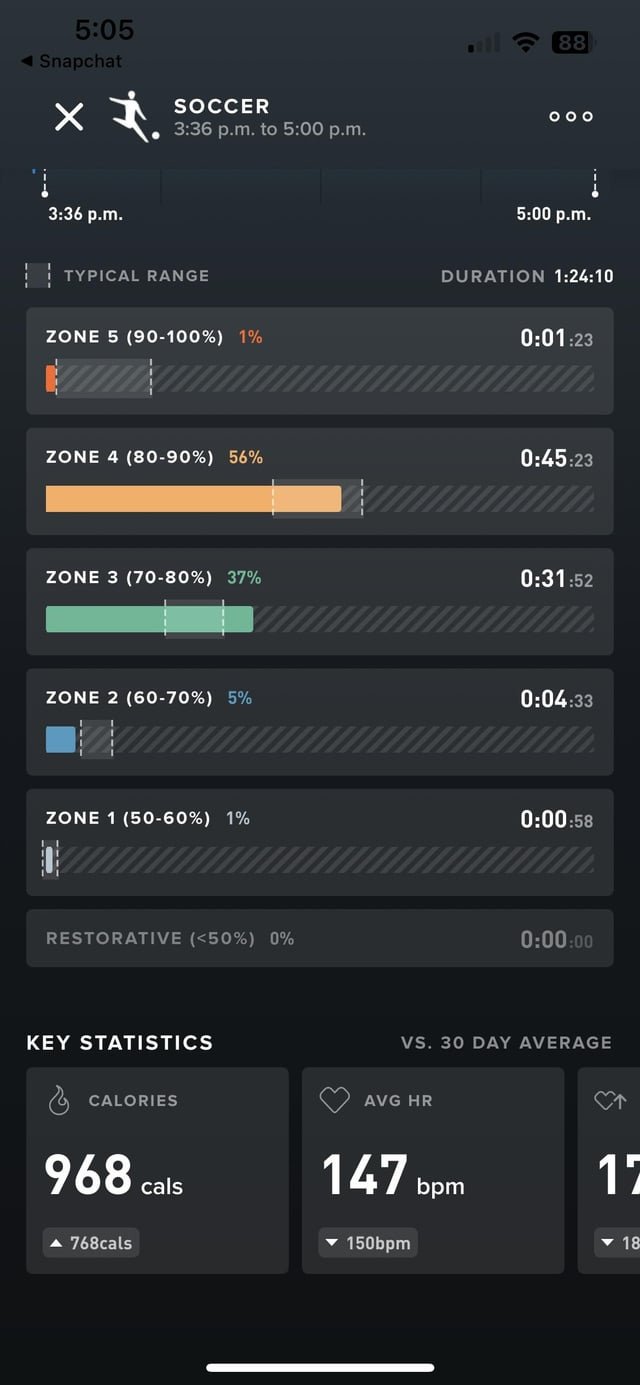
You burn roughly 600 to 1200 calories in a soccer game, but the exact amount varies based on factors like your weight, intensity of play, and playing position.
Ever wondered how many calories do you burn in a soccer game? The beautiful game, with all its running, jumping, and tackling, certainly makes you sweat. It’s a fantastic way to get active, but just how much energy are you really expending out on the pitch?
Understanding the calorie burn in soccer can help athletes better manage their nutrition and training plans. Factors like individual body weight, the intensity of the match, and even playing position have a significant impact on this figure.

How Many Calories Do You Burn in a Soccer Game?
Ever wondered how many calories you’re burning while running around on the soccer field? It’s a common question, and the answer isn’t a simple number. It depends on lots of things, kind of like a recipe with many ingredients. Let’s dive deep into understanding how many calories a soccer game can use up and what makes that number change.
The Basics: Why Soccer Burns Calories
Soccer is a fantastic sport that gets your whole body moving. You’re not just standing still; you’re constantly running, sprinting, jumping, and changing direction. All this movement takes energy, and your body gets that energy from calories. When you’re more active, your body needs more calories, and that’s why you burn them off. This process is also called metabolism, which is how your body uses food and drinks for energy. So, soccer works out not just your legs but also your heart and lungs, burning lots of calories along the way.
Factors That Influence Calorie Burn
Many things play a part in how many calories you burn during a soccer game. It’s not just about playing; it’s about how you play and who you are. Here are some important factors to consider:
Your Weight
One of the biggest factors is how much you weigh. If you weigh more, your body uses more energy to move, so you burn more calories. Think of it like carrying a backpack; a heavier backpack needs more effort to carry around.
Your Playing Position
The position you play on the field also makes a difference. For example:
- Midfielders: They often cover the most ground, running back and forth, so they usually burn the most calories.
- Forwards: They have bursts of high intensity running and sprinting, and may burn a lot too.
- Defenders: They may have less overall running but have intense periods of action too.
- Goalies: They burn fewer calories than other positions because they don’t move as much but still have bursts of activity.
Your Intensity Level
How hard you play is a key factor. Are you just jogging around, or are you sprinting and putting in maximum effort? When you go at high intensity, you use up calories much faster. This is why training sessions, where you’re pushing yourself harder, can burn more calories than a relaxed game.
Game Duration
The longer the game, the more calories you’ll burn. A full 90-minute game will naturally burn more calories than a shorter 60-minute game. Think of it like walking; the longer you walk, the more calories you burn.
Your Fitness Level
People who are fitter generally burn more calories during the same activity than people who are less fit. That’s because their bodies are better at using energy efficiently and can sustain higher levels of intensity for longer periods. It’s like a well-tuned car getting better mileage than one that’s not.
Environmental Conditions
Even the environment around you can affect calorie burn. Playing in hot weather can make you sweat more and use more energy. Playing on a windy day might also make you work harder. Think of it like trying to run uphill versus downhill; one burns more calories.
Your Age and Gender
Age and gender also influence how many calories you burn. Younger people often have a faster metabolism, and men often burn more calories than women, even when doing the same activity.
Your Body Composition
People with more muscle mass burn more calories than those with a higher proportion of body fat, even when resting. Muscle tissue is more metabolically active, meaning it uses more energy, even when you’re not moving.
Estimating Calorie Burn: Numbers and Ranges
Now, let’s talk about some actual numbers. It’s hard to give an exact calorie count because it varies so much, but we can provide some estimates based on studies and research. Generally, an average person will burn somewhere between 600 and 1200 calories in a typical 90-minute soccer game.
Here’s a breakdown by weight that helps to paint the picture:
Estimated Calorie Burn for 90 Minutes of Soccer:
| Weight (lbs) | Approximate Calorie Burn |
|---|---|
| 130 | 500-800 |
| 150 | 600-950 |
| 180 | 750-1100 |
| 200 | 900-1250 |
Please note these are just estimates, and actual calories burned may vary considerably based on the various factors mentioned above.
These are just averages; if you’re a particularly active midfielder or a heavier player, you might burn more than these numbers. If you’re a goalie or someone who is less active during the game, you might burn less.
The Role of High-Intensity Intervals
Soccer is not just steady running; it includes bursts of high-intensity activities like sprinting, jumping, and quick changes of direction. These high-intensity intervals are great at burning calories because they make your body work hard, and afterward, your body still uses energy to recover. This is why soccer is so effective for calorie burn – it’s not just a constant moderate workout; it includes intense bursts of energy too.
The Afterburn Effect (EPOC)
Did you know your body continues to burn calories even after the game is over? This is called the “afterburn effect,” also known as Excess Post-Exercise Oxygen Consumption (EPOC). When you do high-intensity exercise, your body needs extra oxygen to recover, so it burns extra calories even when you’re relaxing. The harder you play, the bigger the afterburn effect. This means you’re not only burning calories during the game, but also for hours afterward.
How to Maximize Calorie Burn in Soccer
If you’re looking to burn more calories during a soccer game, here are some tips:
- Play with Intensity: Don’t just jog; try to sprint when needed, change direction quickly, and push yourself. The harder you work, the more calories you burn.
- Play Often: Playing more games or having more training sessions will increase your overall calorie burn over time.
- Focus on Off-the-Ball Movement: Even when you don’t have the ball, keep moving, making runs, and looking for opportunities. This increases your overall activity level.
- Vary Your Training: Include some high-intensity drills and interval training into your practice to prepare for the game and improve your overall fitness.
- Cross-train: Engage in other cardiovascular activities like running, swimming, or cycling to boost your fitness level so you can perform better on the soccer field and burn more calories.
The Difference Between Calorie Burn and Weight Loss
It’s important to remember that burning calories is not the same as losing weight. While soccer can help you burn calories, it’s just one part of the equation. To lose weight, you need to consistently burn more calories than you eat.
The Importance of Diet
While soccer is great for burning calories, you also have to be mindful of what you eat. If you eat lots of junk food after a game, you might negate some of the calorie burn. A healthy, balanced diet that’s rich in fruits, vegetables, whole grains, and lean protein will help you reach your goals faster.
Tracking Your Progress
You can use wearable technology like fitness trackers or heart rate monitors to get a better estimate of how many calories you’re burning. These tools can help you monitor your progress and keep track of your activity level. However, don’t rely too much on these numbers; remember that they are just estimates.
Other Benefits of Playing Soccer
Besides burning calories, soccer has lots of other health benefits:
- Cardiovascular Health: It strengthens your heart and lungs, improving your overall fitness.
- Strength and Endurance: It builds muscle strength and stamina.
- Coordination and Agility: It improves your ability to move quickly and skillfully.
- Teamwork and Social Skills: It teaches you to work with others and improves your social interactions.
- Stress Relief: Physical activity is a great way to relieve stress and improve your mood.
So, while burning calories is a fantastic benefit, soccer provides many more reasons to get out on the field.
Beyond the Game: Calorie Expenditure Outside of Soccer
It’s beneficial to look at how many calories you burn during daily activities to put your soccer game calorie burn into perspective. Things like walking, climbing stairs, and even household chores burn calories. So, incorporating more activity throughout your day, along with your soccer games, can enhance your total calorie expenditure.
Daily Activities vs. Soccer
While soccer can lead to high calorie burn in a focused period, it’s important to remember that consistency matters. Doing other physical activities regularly throughout the week will contribute to your overall health and fitness. It’s not just about what happens on the field; it’s about keeping your body active all the time.
How Much Exercise Do You Need?
Health experts recommend that adults get at least 150 minutes of moderate-intensity or 75 minutes of vigorous-intensity aerobic activity each week. This doesn’t necessarily mean only playing sports like soccer; it also means you should also try to do some kind of physical activity regularly.
Playing soccer is a fantastic way to burn calories and have fun at the same time. While the exact number of calories you burn depends on various factors, it’s clear that soccer is a good workout that gives you many health benefits. By playing with intensity, staying consistent, and eating a healthy diet, you can see great results on and off the field.
Which BURNS More CALORIES?! Did You Know? #shorts #activity #sports #calories #fitness #soccer
Final Thoughts
The number of calories you burn playing soccer varies widely. It depends on factors like your weight, intensity of play, and your position on the field. Generally, a 90-minute soccer game can burn between 600 and 1200 calories.
Determining the exact figure is challenging. Individual metabolic rates affect the calorie expenditure. How many calories do you burn in a soccer game is influenced by both your activity level and physiology. It is definitely a solid workout.

