
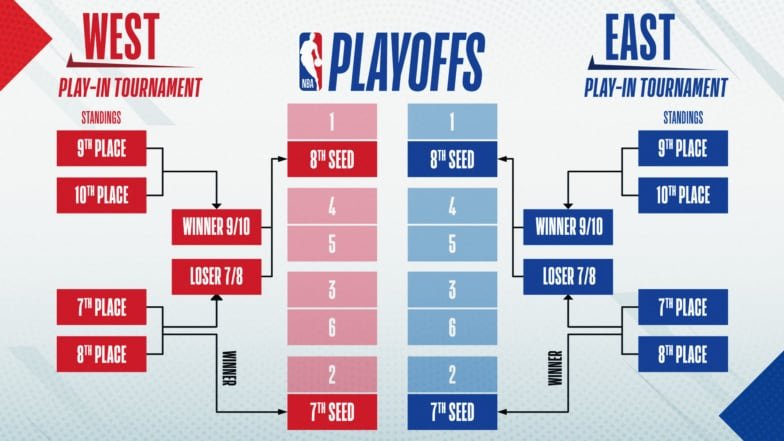
A standard NBA playoff series consists of a best-of-seven format, meaning the first team to win four games advances.
Ever wondered how long the tension lasts in a basketball showdown? We often get caught up in the drama, the clutch shots, and the rivalries, forgetting a simple question. Specifically, how many games in a nba series truly determine a champion? It’s a crucial aspect of the playoffs.
Knowing this setup helps to understand the strategic depth of the game. Each contest, each possession, carries a significant weight in the march towards victory. The format can make each game incredibly vital for the teams.

How Many Games in an NBA Series?
So, you’re curious about how many games it takes for an NBA team to win a series? Well, you’ve come to the right place! The answer is actually quite straightforward, but understanding the “why” behind it adds some extra fun. Let’s dive into the exciting world of NBA playoffs and the number of games it takes to reach the finals.
The Magic Number: Seven
In every single round of the NBA playoffs, whether it’s the first round, the conference semifinals, the conference finals, or the ultimate showdown – the NBA Finals – teams compete in a best-of-seven series. This means that the first team to win four games wins the entire series and moves on to the next round (or gets crowned champion!). It’s like a race to four wins, with each game being a very important step.
Why Best-of-Seven?
The best-of-seven format wasn’t pulled out of thin air. There are some good reasons why the NBA uses this specific structure:
- Fairness: A longer series helps to minimize the impact of a single bad game or an unlikely upset. Over seven games, the better team is more likely to emerge victorious. It prevents a single lucky shot or a referee’s decision from swinging an entire series.
- Drama and Excitement: Seven games often create a gripping back-and-forth battle. Think about it: a team could be down 3-0 and still make a historical comeback! The longer format gives the teams more opportunity to adjust, making it even more interesting.
- Fan Engagement: More games mean more opportunities for fans to watch thrilling basketball. It keeps the excitement up through the entire series.
- Revenue: Let’s be honest, more games also mean more tickets, merchandise, and TV viewership, which is good for the league.
How a Series Plays Out
Now that we know it’s best-of-seven, let’s quickly look at how a series could play out. Here’s a breakdown:
- The Basics: There can be a minimum of four games played in a series if one team wins the first four, or a maximum of seven if it reaches that point.
- Home Court Advantage: The higher-seeded team (the team that performed better during the regular season) gets home-court advantage. This means they play more games at their home arena.
Usually, it’s a 2-2-1-1-1 pattern, two home games for the higher seed, two away, one home, one away and the last one is home for the higher seed, if required. For example, If team A has a better record than team B, team A will play games 1, 2, 5, and 7 at their home arena. - Winning: The series ends the moment a team reaches four wins. Once this occurs, the remaining games aren’t played.
Potential Series Outcomes
Here are a few examples of how a best-of-seven series can conclude. In these examples, let’s consider a matchup between Team A and Team B.
- A Quick Sweep: Team A wins games 1, 2, 3, and 4. The series ends 4-0, and Team A is victorious.
- A Close Call: Team A wins games 1, 2 and 4. Team B wins game 3. Team A wins game 5 and the series ends 4-1.
- A Nail-Biter: Team A wins games 1 and 2. Team B wins games 3 and 4. Team A wins game 5. Team B wins game 6. Team A wins game 7. The series ends 4-3, a very close match, and Team A moves on.
- Another Close Call: Team B wins games 1 and 2. Team A wins games 3 and 4. Team B wins game 5. Team A wins game 6. Team B wins game 7 and the series ends 4-3, a very close match, and team B moves on.
The Importance of Each Game
While the series is a marathon of seven games at most, each game is very important. Here’s why:
Game 1: Setting the Tone
The first game often sets the tone for the entire series. A team that wins Game 1 builds confidence and gets the psychological edge. It puts pressure on the losing team to catch up.
Game 2: Adjustments and Adaptations
After the first game, teams adjust their strategies. They try to fix the mistakes they made and exploit the opponent’s weaknesses. A team down 0-1 needs to win game 2 to avoid a 0-2 start, which is tough to overcome.
Games 3 and 4: Pivotal Moments
These two games are often considered crucial. A team winning both games creates a strong position to win the series, while a team losing both games is in a tough spot. A team down 1-2 or 0-3 needs to bounce back with a win in game 4.
Game 5: Chance for Victory
If a series goes to Game 5, it is called a “swing game” because the team that wins Game 5 goes on to win the series more often than not. It could also be the winning game for a team and thus series over. The teams that win game 5, usually go on to win the series, though there have been exceptions to the rule.
Game 6: Elimination or Extension
If a team is up 3-2, Game 6 is a chance to close out the series. For the team that is down 2-3, it’s about extending the series to a Game 7. The pressure is very high during this game and the team down 2-3 often plays their best basketball of the series.
Game 7: The Ultimate Decider
If a series reaches Game 7, it is the pinnacle of drama and pressure. Everything is on the line, and teams usually leave it all on the court, in a do-or-die contest for the series win. These are most highly watched games in a series and a real treat for the fans.
Factors Affecting Series Outcomes
While the best-of-seven format offers a level playing field, many factors can influence who eventually wins:
- Injuries: Key player injuries can shift the balance of a series significantly. A star player missing games can cause a team to lose.
- Home Court Advantage: Playing in front of your fans can provide a massive advantage in terms of energy and confidence. The home team usually has a better record than the visiting team.
- Momentum: The emotional swing of wins and losses can affect how a team performs in the next game. Teams going on a winning streak can gather momentum and play better basketball.
- Team Chemistry and Coaching: A well-balanced team with excellent coaching will have better odds of winning the series. Teams that know each other well are more likely to perform better as a unit.
- Individual Performances: Players can have stellar or terrible performances in a series and that can affect the overall outcome. Players who step up their game in the play-offs can propel their team to victory.
Historical Trends in NBA Series
Throughout NBA history, there have been some interesting trends:
- Sweeps are Uncommon, but Not Rare: A 4-0 sweep is not very common, but it does happen. Usually, a series reaches game 5 or 6, before someone wins.
- 3-0 comebacks are incredibly rare: Coming back from 0-3 down in an NBA series is incredibly difficult to do and it has been done only once in the history of the league. It requires a very high level of play, along with some luck.
- Game 7s are Thrilling: Games that go to 7 are often the most memorable of a series. These games are usually close and full of drama, with fans on the edge of their seats.
Exceptions to the Rule
While the best-of-seven format is standard in the NBA playoffs, there have been exceptions throughout history. One such exception was during the early years of the league, the series format used to be different, where a series could be as low as 3 games. These formats were changed later to make the games more competitive and engaging.
Why This Format Works
The best-of-seven format in the NBA is not just about deciding a winner; it’s about building excitement, showcasing skill, and creating a dramatic narrative. The longer format allows for swings in momentum, strategic adjustments, and gives teams a chance to prove their mettle, and the format works to ensure the team with the best performance during the whole series, comes out as a winner. The format is also designed to be engaging for fans across the world.
Ultimately, the best-of-seven format contributes significantly to the excitement, unpredictability, and tradition of NBA playoffs. It’s what makes the journey to the championship so compelling for both the players and the fans.
How Does the NBA Work?
Final Thoughts
An NBA series always consists of a best-of-seven format. This means the first team to win four games advances to the next round. The maximum number of games in any NBA series is therefore seven.
Understanding ‘how many games in a nba series’ is crucial for following the playoffs. Each series provides intense competition as teams battle to reach four victories. This format keeps fans engaged throughout.

