
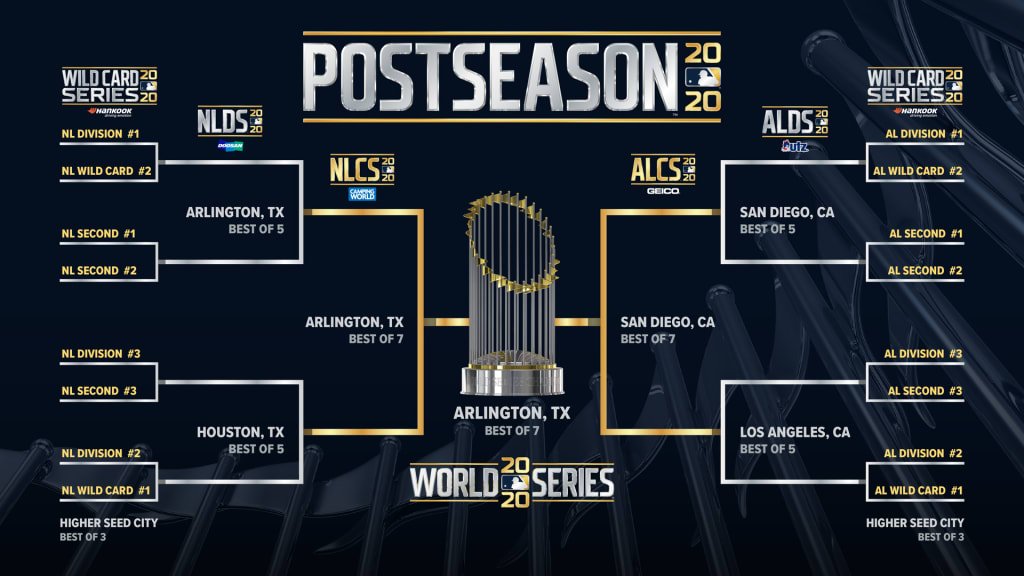
A baseball series typically consists of 3, 5, or 7 games.
Ever wondered about the structure of baseball playoffs? Many fans ponder how many games in baseball series are actually played. It’s a valid question, considering the varied lengths of different matchups.
The number of games depends on the specific round of the playoffs or a regular season series. Some series are short, while others extend over a week. It all impacts the strategy and drama of the competition.

How Many Games in a Baseball Series?
Okay, let’s talk about baseball! We know baseball is a super fun game with lots of action, but sometimes the schedule can be a little confusing. One question that often pops up is: “How many games are in a baseball series?” Well, it’s not always the same number. Let’s explore all the different lengths of baseball series you might see throughout the season.
The Standard 3-Game Series
The most common type of series you’ll see in baseball is a 3-game series. Think of it like a mini-tournament between two teams. This is a regular thing during the regular season. For example, the Yankees might play three games against the Red Sox, then move on to play another team. These series happen all the time, giving teams the opportunity to try different strategies and see how their players perform over a few days.
Here’s why a 3-game series is so popular:
- Sufficient Sample Size: It gives teams enough games to get a feel for each other’s playing style. One game can be a fluke, but after three games, you get a better sense of which team is playing better.
- Fits the Schedule: It’s an easy length to fit into the busy Major League Baseball schedule. Three games can be played in a weekend or over a few weekdays without taking up too much time.
- Travel Efficiency: Teams can travel to a city and play three games, then move on to another city or go home. This cuts down on travel time and expenses.
A 3-game series allows for some back-and-forth strategy as managers can adjust lineups and pitching rotations from game to game. It’s a classic part of baseball, making it a familiar and enjoyable experience for fans.
The 4-Game Series
Sometimes, you’ll come across a 4-game series. This is a slightly longer series and usually happens when teams have a lot of time scheduled to play each other and also sometimes due to a rain out from one of the earlier games in the series. Imagine if the same two teams play for four days in a row. It’s like getting an extra game to see which team is truly the better one. 4-game series is not so popular as a 3-game series, but sometimes happens in MLB.
Why do they schedule 4-game series?
- Extended Competition: It provides a longer look at each team’s strengths and weaknesses, and you will get to know in a series, who is performing better.
- Make-Up Games: They are also useful for making up for postponed or rained-out games during a season, they give the possibility of rescheduling the match.
- Scheduling Flexibility: It can fit into the schedule, particularly if a team is traveling from a longer distance, so they can play for four days at the same location, instead of traveling back and forth.
A 4-game series gives managers and players more opportunities to make an impact. This kind of series is sometimes a real test of a team’s depth and stamina.
The Rare 2-Game Series
Two-game series are pretty uncommon, and they are not as frequently scheduled in the current era of the game. When teams have a matchup that was rescheduled or some oddities in the schedule, you might see these series.
Why might a team play a 2-game series?
- Travel Constraints: If there is a long travel distance that will make it difficult to organize 3 games on consecutive days. This can result in scheduling a two-game series.
- Rescheduling: When one game has been postponed due to bad weather conditions or something that caused the game to postpone, a two-game series can be the best way to make up for a canceled game.
- Unique Circumstances: Sometimes, there can be weird or unusual scheduling situations that will result in a two-game series.
A 2-game series doesn’t give a very good opportunity for teams to get a feel for their opponent, It’s more like a quick battle and it’s not the same as the longer, more drawn-out series.
The Longest Series: 7 Games in the Playoffs
Now, let’s talk about the big leagues – the playoffs! During the playoffs, when the best teams in baseball battle to become champions, series jump up to a maximum of 7 games. These series are intense, and the teams are very well matched, the competition will be fierce, and the results will determine which team will advance to the next round. This 7 game series is the biggest test of a team’s resilience and performance.
Here’s what makes 7-game series so special:
- The Ultimate Test: It is a true test of skill and stamina, with the best teams facing off to prove that they are the better team.
- More Opportunity: Players will get to show more of their skills, and there will be more chances to see great baseball.
- High Stakes: These games are the most important of the season. Every play, every run, and every out matters so much more.
The teams alternate home and away games, and this structure can be very intense, giving us nail biting action. With the maximum number of games in any baseball series, they are the most exciting for the fans as they see the best of the best in the game.
Understanding Home and Away Games
Regardless of whether it’s a 3, 4, or 7-game series, the concept of home and away games is very important. One team plays on their home field, with the support of their fans, while the other team plays as a visiting team.
Here’s how it usually works:
- 3-Game Series: Usually, two games are at one team’s stadium, and then one game is at the other stadium, or vise-versa.
- 4-Game Series: The teams will typically play two games at one home stadium, and two games at the other, with the first two or last two home games in either order.
- 7-Game Series (Playoffs): The games are played in a 2-3-2 format. This means two games at one team’s home stadium, then three at the other team’s home stadium, and then if needed, the final two games go back to the original home stadium.
Playing at home offers an advantage, with their own fans in the stadium, as well as the familiarity of the home field. However, this back-and-forth structure keeps each series competitive and exciting.
Scheduling and Travel
The schedule for baseball series is complicated and needs careful planning. Teams travel frequently, and the number of games in each series has a huge impact on the travel arrangements. The shorter series means less time in one location and more frequent travel.
Here’s how scheduling is usually handled:
- Travel Days: Teams usually get a day off between series to travel to the next city.
- Back-to-Back Games: Sometimes, teams play back to back games, or even a double header which means that they will play two games in one day. These happen when one game is postponed or as per the team’s schedule.
- Long Road Trips: Teams sometimes have long road trips which will cause them to travel for more than a week at a time, playing multiple series away from home.
Scheduling plays an important role in how teams play. A team with a lot of travel can be more tired than a team who is playing at home.
Why Series Length Matters
The number of games in a baseball series impacts different aspects of the game such as team’s strategies, and player’s performance. Each series length creates a unique type of challenge.
Here is why series length is very important:
- Strategic Planning: The manager needs to consider the depth of the team, so they can plan accordingly for each series.
- Player Rotation: Pitchers need rest, and players might need days off, that’s why managers rotate their players accordingly, based on the series length.
- Momentum Shifts: In a long series, the momentum can shift, with the momentum of one team going up and the other going down, which will create a swing in the performance of the team.
- Fan Experience: Short series are exciting and fast, and the longer ones give fans the chance to follow the game more deeply.
The series length in a baseball series can create a distinct narrative for each matchup, providing unique experiences for both the team and the fans.
Unique Series Formats
While the 3-game, 4-game, and 7-game series are the standard, there are some unique situations which might alter the length of the series. These situations can be due to special events or unexpected circumstances.
Here are some unique series formats you might come across:
- Split Series: Sometimes, a series might be split into different dates. For example, two games on one weekend, and one game on the following week.
- International Series: Occasionally, teams will play series in other countries as a showcase for baseball. These can have unique game lengths.
- Exhibition Series: During Spring Training, there are exhibition series which don’t follow the regular season schedule rules. The series might have different lengths, and the purpose of these series are for practice and experimenting.
These unusual series add a little spice to the regular schedule, offering variety to the viewing experience for the fans.
Impact on Players and Teams
Different series lengths can have different impacts on how the players and the teams perform. A long series can be a challenge to a team’s endurance, while a short series will test their adaptability.
Here’s how the length of a series impacts the team:
- Physical Demands: Longer series will put a lot of physical demand on players, especially pitchers. They have to play for a long period of time, so it requires them to be in top condition to compete effectively.
- Mental Strategies: In a shorter series, teams have to come out strong, while in a longer series, they need to maintain consistency and also make adjustments to win the series.
- Momentum Shifts: Shorter series can be about getting lucky, while longer series will test the overall quality of the teams, and who is consistent and capable.
- Team Depth: If a team has lots of capable players, then they will perform well in long series, as they can rotate their players.
Understanding how series length can impact players and teams can help fans understand the dynamics of the game and better appreciate all the different factors involved in winning a series.
The Beauty of Baseball Series
In the end, baseball series are an important and beautiful aspect of baseball. From the common 3-game series to the thrilling 7-game playoff matchups, the different lengths will create a very unique experiences for the players and the fans. It is always exciting, whether the games are being played during the week or a weekend, a home or away. So, next time when you watch a baseball series, you’ll have a much better understanding of how the number of games can shape the competition, and contribute to the joy of the game.
From the quick and intense 2-game series to the marathon 7-game playoffs, each format brings its own brand of excitement and challenges. The standard 3-game series provides a regular dose of competition, while the 4-game series offers an extended look at team matchups. The playoff 7-game series is the ultimate test of skill and stamina. They all play a key part in the baseball season and the excitement the game brings to the fans.
How MLB is Organized | Baseball Explained
Final Thoughts
A standard baseball series typically has three or four games. The exact number depends on the schedule and the teams involved. Postseason series, however, always have a set amount of games.
A best-of-five series requires winning three games, while a best-of-seven series needs four wins. Figuring out how many games in baseball series is straightforward. These formats ensure one team comes out the victor.

