
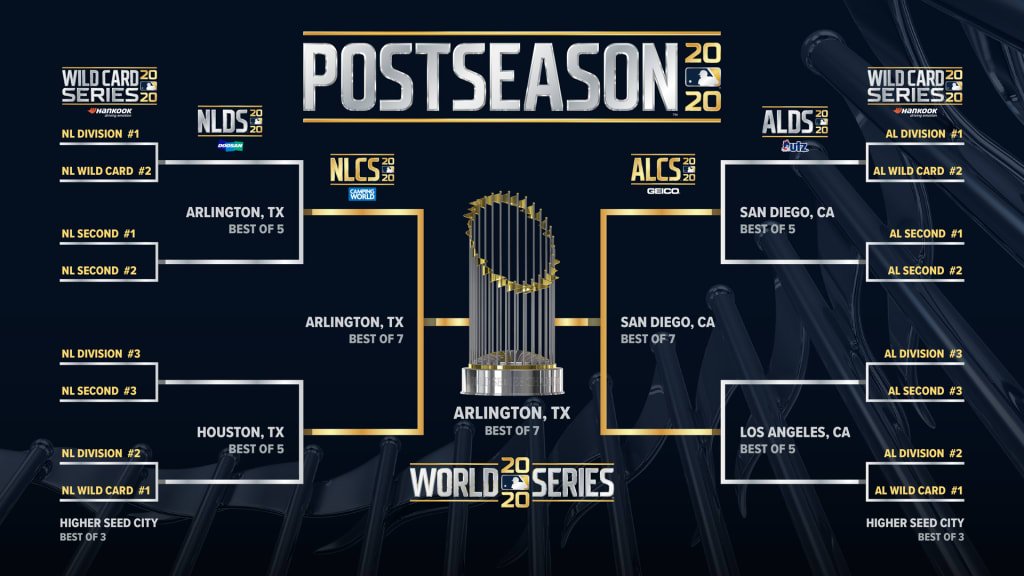
The team that wins four games first claims the World Series title.
The World Series, baseball’s ultimate showdown, generates much excitement every year. It’s a clash of the titans, but how many games needed to win world series? That’s the question many baseball fans often ask.
The journey to the championship is grueling, requiring skill and determination. This best-of-seven series means each game counts immensely.

How Many Games Needed to Win World Series?
Alright baseball fans, let’s talk about the big one – the World Series! It’s the final showdown, where the best teams from the American League and the National League battle it out for ultimate bragging rights. But have you ever stopped to wonder, exactly how many games does a team need to win to actually lift that trophy? It’s not just a random number; there’s a specific formula that decides the champion. Let’s dive deep and explore the details of how this exciting series unfolds.
The 7-Game Series Format
The World Series is played using a “best-of-seven” format. This means that the first team to win four games is declared the champion. Think of it like a race to four wins! It doesn’t matter how many games the other team wins; once a team reaches that magic number of four, the series is over. This format adds to the drama and excitement, because every single game becomes incredibly important. This format has been around for a good while, and it’s the standard for many championship series in different sports.
Why Seven Games?
You might be thinking, “Why seven games? Why not five, or nine?”. The seven-game format is a sweet spot. It’s long enough to give each team a fair chance to demonstrate their strength and strategy over a series of matches. One or two games would be too short, and there would be more of a luck factor. A longer series might become tiring for players and viewers. Seven games offer a good balance of competition and excitement, giving teams time to adjust and showcase their skills without becoming a marathon.
Home-Field Advantage
Another interesting factor is home-field advantage. The team with the better regular season record gets to host four games of the series. In the seven-game format the home games are usually are: Games 1, 2, 6, and 7 are at the better team’s stadium. In most of the cases. The visiting team plays at their own home for games 3, 4, and 5. Hosting games gives teams a boost because they play in front of their home crowd, which can be a big help for the players, making it louder and more inspiring.
The Importance of Home Field
Playing in your own stadium can make a huge difference. Home-field advantage is important in the World Series because it can affect the team’s performance. The players are more comfortable in their familiar environment. The crowd cheers louder, and the feeling of being home can lift the team. However, this doesn’t always guarantee a win. Many times, away teams have shown great performance and have captured the championship.
Breaking Down a Potential Series
Let’s imagine a scenario to understand how a World Series might play out. Let’s say we have Team A and Team B competing. Team A had a better regular season record, so they get home field advantage.
- Games 1 & 2: Team A plays at home.
- Games 3, 4 & 5: Team B plays at home.
- Games 6 & 7: (If necessary) Team A plays at home.
Now, let’s see some examples of how the series could end:
- Scenario 1: Team A Wins Quickly
Team A wins Games 1, 2, 3, and 4. The final result would be Team A wins the World Series by 4-0. In this scenario, the series ends early with Team A as the Champion, with the remaining games being unnecessary.
- Scenario 2: A Closer Series
Team A wins Games 1 and 2. Team B wins games 3 and 4. Team A wins game 5. Then, Team A wins game 6. The final result would be Team A wins the World Series by 4-2. This type of series is more typical, where the teams are evenly matched, and there are ups and downs throughout the series.
- Scenario 3: The Full Seven-Game Series
Team A wins Games 1 and 3. Team B wins Games 2 and 4. Team A wins game 5. Team B wins game 6. Team A wins game 7. This is the most thrilling result, a full seven-game battle. The team which wins the final game takes the World Series. The result of this would be Team A wins the World Series by 4-3.
What if there is a Tie?
There are no ties in baseball. One team will always win each individual game. But if a game ends in a tie, then additional extra innings will be played to determine the winner. In simple terms, there is no tie and there must be a winning team. So, there are no ties to be concerned about in the World Series or any other baseball games.
The Intensity of Each Game
Every single game in the World Series is a high-stakes event. Teams play their hearts out. There is a lot at stake. Players know that every run, every hit, and every good play could be the thing that determines if they take home the championship trophy. The pressure can be intense, and players must have mental and physical toughness to perform at their peak. Games are very exciting to watch because both teams put everything out on the field. These moments are the ones that we remember as fans for years to come.
Strategies and Adjustments
Because the series has many games, it is not all about one game only. Teams also change their strategies based on what they see throughout the games. If one team is doing a great job with pitching, another team might work on their hitting to be more effective. If one team is very good at stealing bases, the other team will try to prevent them from stealing. Managers make important decisions based on game performance. The whole series is not just about the players; it is about their adaptability and smart playing.
The Impact on Players
Playing in the World Series is a dream for most baseball players. It’s the pinnacle of the sport, and it is very challenging for players both mentally and physically. The season can be very long, with many games before the playoffs. The added intensity and pressure can be tough. Players have to handle all of this pressure and deliver their best. A series like this can push players to their limits, and the winning team is remembered not just for their skills but for their resilience and mental focus.
Beyond the Game
The World Series is more than just a set of baseball games; it’s a cultural event. It brings people together, creates communities around teams, and is a topic of discussion and excitement for weeks. The stories and memories that are created during the World Series last for years. It’s a time when friends and families gather to enjoy the game and share some wonderful moments. The World Series is the place where legends are made and where history is created. It is the time to celebrate the spirit of baseball.
Historical Trends in Series Length
Although the World Series is a best-of-seven, it is interesting to note the trends throughout history. Some series are quick, ending in four games, while some are intense battles that go down to the wire in a seventh game. Here’s a little about the length of the World Series through the years:
Sweep Series
A “sweep” happens when one team wins all four games of the series and takes the championship. Sweeps are less common but they do occur, signifying a great team performance. Sweeps can happen in any sport, not only in baseball. A sweep can also mean that either the winning team is much better than the other or the losing team underperformed.
Going the Distance
The seven-game series are always the most exciting for viewers. These series show a level of competition where both teams give it their best. The games are full of intense, nail-biting moments, and the fans are on the edge of their seats until the final result. This type of series shows that both teams are very good and gives a dramatic ending.
Average Series Length
Over the years, the most common lengths of World Series are either six or seven games. A four-game sweep or a five-game series happens less frequently. The pattern shows a balance between a quick victory and a long, drawn-out battle for the championship, giving baseball fans of different preferences something to enjoy.
Why the World Series is Important
The World Series is the final event of baseball, where the winning team is crowned the champion of the year. The stakes are very high, and the series showcases the best players from all around. The series is the culmination of a long baseball season, and it determines the champion for the entire year. Fans and players consider it to be a symbol of success and excellence. This prestigious event makes it more special, as the winning team is also written in history.
The Impact of the Win
Winning the World Series has a huge impact on the team, the players, and the fans. The winning team gets the trophy. The players get lifetime recognition, along with championship rings. And most important of all, the fans of the winning team get a year of bragging rights, which can be great to enjoy. The World Series win becomes part of baseball history. It creates lifelong memories for those who are involved.
So, how many games to win the World Series? The answer is four. A team needs to win four out of seven games to be crowned the champion. The format gives us a lot of exciting moments and showcases the very best that baseball can offer. Whether the series is a quick sweep or a full seven-game thriller, it’s always an event that we look forward to, making the series a key moment in baseball. The World Series is more than just games; it’s a celebration of skill, passion, and the spirit of competition. And now you have a good handle on how the World Series unfolds, so, get ready for some amazing baseball action!
Cubs win World Series with Game 7 win
Final Thoughts
To win the World Series, a team must secure four victories. The series follows a best-of-seven format, meaning the first team to reach four wins claims the championship title. This format makes every game important.
The contest tests both skill and resilience. A team needs to perform consistently well throughout this series to succeed. The question of how many games needed to win World Series is answered simply: four.

