
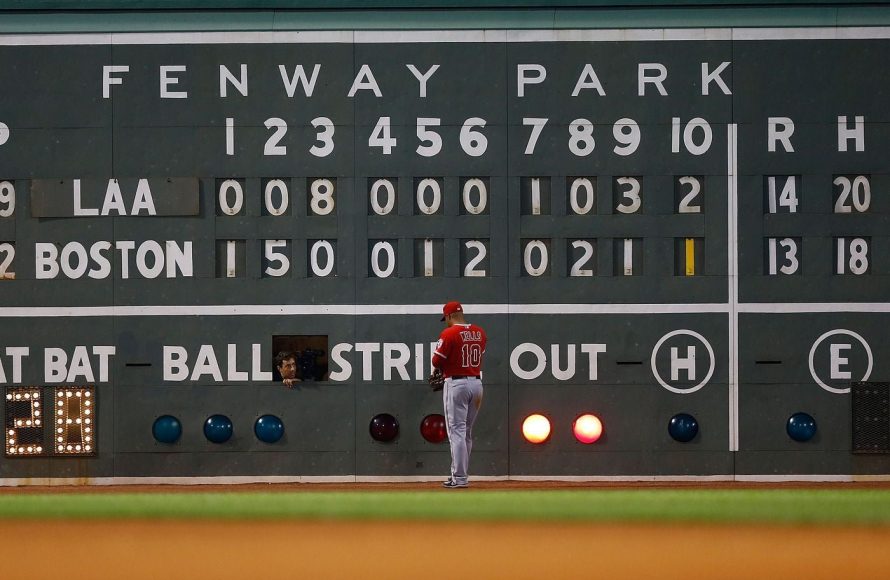
A standard baseball game has 9 innings.
Ever wondered about the duration of a baseball game? It all comes down to innings. The question of how many innings are in a game of baseball is a fundamental one for any fan.
This constant structure provides a framework for the back-and-forth action we all enjoy. Each team gets a chance to bat in every inning, creating a thrilling, competitive flow to the game.

How Many Innings are in a Game of Baseball?
Baseball, a sport loved by millions, has its own unique rhythm and structure. One of the most fundamental aspects of a baseball game is the concept of innings. So, how many innings make up a standard game of baseball? The simple answer is nine. A regulation baseball game is structured around nine innings, with each inning giving both teams a chance to bat and score runs.
Understanding the Basics of an Inning
Before we go any further, let’s break down exactly what an inning is. Think of an inning as a mini-game within the larger baseball game. Each inning is divided into two halves: the top and the bottom. During the top of the inning, the visiting team bats while the home team plays defense. In the bottom half, the roles reverse, with the home team batting and the visiting team playing defense. This back-and-forth continues until the completion of nine innings – that’s the general rule for a typical baseball game.
The Structure of an Inning: Outs and the Three-Out Rule
Within each half of an inning, the team at bat tries to score as many runs as possible. However, their turn at bat doesn’t go on forever. It continues until the team makes three outs. An out is when a batter is retired, meaning they are not allowed to continue their turn. This can happen in many ways:
- Strikeout: When a batter swings and misses at three strikes, or when they don’t swing and are called out on strikes by the umpire.
- Ground Out: When a batter hits a ball on the ground and is thrown out at first base.
- Fly Out: When a batter hits a ball in the air and it is caught by a fielder before it hits the ground.
- Force Out: When a runner is forced to advance to the next base because a batter becomes a runner and they are tagged or the base is tagged while they are running.
- Tag Out: When a runner is tagged by a player holding the ball while the runner is not safely on base.
Once a team accumulates three outs, their half of the inning is over, and the other team comes to bat. This three-out rule keeps the game moving and ensures each team gets a fair opportunity to score.
What Happens if the Game is Tied After Nine Innings?
Baseball is a game with few hard and fast rules about time. Unlike some other sports with strict time limits, a baseball game can extend beyond nine innings if the score is tied. In this scenario, the game proceeds into extra innings. Teams continue to play full innings until one team has scored more runs than the other at the end of an inning. This ensures there is always a clear winner. Extra innings can mean a very long and exciting game!
Variations in Game Length
While nine innings is standard for professional leagues and most adult leagues, it’s important to know that game lengths can vary. Here’s a quick look at some of the more common exceptions:
Little League and Youth Baseball
Games in Little League and other youth leagues are often shorter to account for younger players’ attention spans and physical limitations. The standard length might be six innings instead of nine. These modifications help make the game more age-appropriate and enjoyable for everyone involved.
- Little League Baseball: Typically 6 innings
- T-Ball: Can be anywhere from 3-5 innings, or can be a set amount of time
- Other Youth Leagues: Often 6-7 innings, but can vary based on age and league rules
These shorter games help prevent player fatigue and keep the focus on skill development and having fun. They also allow for quicker game times, which is helpful for families with younger players.
Doubleheaders
Sometimes, particularly in professional baseball, you might encounter a doubleheader, where two games are played on the same day between the same teams. These were once much more common, and can still happen, especially when games have been postponed. In some instances, these doubleheader games are only seven innings long, rather than the standard nine. This shortens the total time spent playing baseball on a single day, reducing wear and tear on the players.
- Seven-Inning Doubleheaders: Sometimes seen in MLB and Minor League baseball
Rain Shortened Games and The “Official Game” Rule
Baseball is an outdoor sport, so weather can definitely play a role. If a game is interrupted by rain or other inclement weather, it may not always be possible to finish all nine innings. If a game is interrupted after a certain point, and can not be completed, it can be considered an official game by the league, based on certain conditions. A game can only be considered an official game, if the losing team has completed 5 full innings, or if the home team has scored more runs than the visiting team after 4.5 innings. If this standard is not met, then the game is considered “suspended” and has to be played to completion at a later time. The final score in rain-shortened games is determined by the score at the end of the last full inning played.
Let’s break that down a little:
- Minimum Innings for an Official Game: Typically 5 innings, but can be 4.5 innings if the home team leads.
- Suspended Games: if fewer innings are played, the game is continued at a later date
International Baseball
While nine innings is the norm in professional baseball leagues in the United States, Canada, and Japan, other leagues around the world may have slightly different rules or may play shorter games for various reasons, including youth levels. For instance, you may see differences in the number of innings played at the World Baseball Classic or in some European leagues. While the differences are not huge, they are present. You will almost always see 9 innings in a professional game, but not always at all levels of the game.
- World Baseball Classic: 9 innings, similar to Major League Baseball.
- European Leagues: Can vary slightly based on specific league rules.
Why Nine Innings?
The nine-inning standard isn’t something that was just pulled out of thin air. It’s a practice that evolved over a long period, as the game of baseball was developing. As baseball emerged as a sport in the mid-1800s, teams would play “matches” which were not based on innings. They would be playing until one team reached a specific number of runs, say 21, or 100. Over time, the game was codified, as the National League began play, and it was decided that innings were a better way to organize the game. Eventually, nine innings became the standard by which most baseball leagues play today. The exact reasoning may be lost to history, but the nine-inning standard provides a balanced contest where each team gets a full opportunity to score while keeping the game manageable. Nine innings provides enough time for each team to come back from a deficit, and to showcase their abilities. It also helps create more dramatic and suspenseful moments, adding to the thrill of watching a baseball game.
The Strategic Importance of Innings
Understanding the number of innings is crucial not just for keeping track of the game but also for understanding strategy. Coaches and players think differently depending on where they are in the game. Knowing that there are nine innings, or fewer in some cases, shapes the decisions made by managers. In the late innings, managers may play more aggressively or take different kinds of risks because there are fewer opportunities to score. As an example, a coach may be willing to use a relief pitcher who isn’t a top pitcher, early in the game, to save his better pitchers for the end of the game. A team in the lead late in the game may take more defensive-oriented actions, while a team that is losing may try to score as quickly as possible. The strategic decisions in baseball, are shaped by the knowledge of the number of innings to play.
How the Number of Innings Affects the Pace of the Game
Baseball, is a long game, unlike sports like football or basketball. The number of innings plays a huge role in dictating the pace of the game. With nine innings, the game has enough space for tension and strategy to build slowly. This builds excitement, as a single hit in the late innings, can change the entire game. With a structured system of innings, fans and players alike get into the rhythm of the game, knowing that things can quickly change between the top and bottom of any inning. It’s the ebb and flow of the game that many enjoy.
How Innings Lead to Comebacks
One of the most exciting parts of baseball is the possibility of a comeback. The nine-inning structure provides plenty of chances for teams to bounce back from being down. A team might be losing after 5 innings, but they know that there are still four innings left to score. This opportunity to rally, and this hope for a comeback keeps fans engaged, and makes baseball a unique sport to watch. This comeback ability is also why many people feel it is a better sport, and more entertaining than others. You can really never count a team out, and they always have a chance to come back.
So, there you have it. A standard baseball game has nine innings, but there are some important variations to keep in mind. Now, when you watch a baseball game, you’ll have a solid understanding of why games go the length that they do. The format of innings is part of what makes baseball so exciting and strategic!
How Baseball Innings Work
Final Thoughts
A standard baseball game features nine innings. Each team gets to bat once in an inning. This cycle continues until the ninth inning concludes, determining the winner of the match.
If the game remains tied after nine innings, extra innings occur. These additional innings continue until one team holds a higher score at the end of an inning. Therefore, how many innings are in a game of baseball depends on if the game is tied.

