
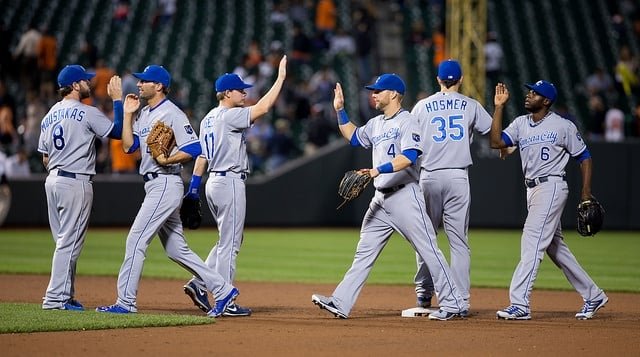
A high school baseball game consists of 7 innings.
Ever wondered how long a high school baseball game actually lasts? Well, the duration primarily depends on the number of innings played. Understanding the structure is vital for any fan or player, especially if you’re new to the sport.
Many people often ask, ‘how many innings are in a high school baseball game?’, and it’s a simple answer. Unlike professional leagues, high school games follow a different format. So, let’s clarify this important point.

How Many Innings Are In A High School Baseball Game?
Ever wondered how long a high school baseball game actually lasts? The heart of the game lies in its innings, the periods where teams take turns batting and fielding. The number of these innings decides the game’s duration, setting the stage for dramatic plays and nail-biting finishes. Let’s dig into the specifics of how many innings define a typical high school baseball game.
The Standard Seven Innings
In most cases, a standard high school baseball game will have seven innings. This is the established norm for most high school leagues and competitions across the United States. Each team gets to bat once per inning, aiming to score as many runs as possible before switching to defense. Think of it like a mini-marathon, where both teams are constantly trying to outscore each other within those seven periods. The home team bats in the bottom half of the inning after the visiting team bats in the top half.
Understanding an Inning
Let’s break down what an inning really means. Each inning is divided into two halves: the top and the bottom. The top of the inning is when the visiting team is at bat, trying to score runs. Once the visiting team has made three outs (meaning three players have been eliminated by the fielding team), the teams switch sides. The home team then comes up to bat in the bottom half of the inning, attempting to outscore the visiting team or to add to their lead.
This sequence of top and bottom halves ensures that both teams have an equal opportunity to score and defend throughout the game. Once all seven innings are complete, the team that has scored the most runs is declared the winner. If the score is tied after seven innings, the game goes into extra innings.
Extra Innings: When the Game Isn’t Over Yet
Sometimes, the excitement of a baseball game goes beyond the standard seven innings. If, at the end of the seventh inning, the score is tied, the game goes into extra innings. Here’s how it works:
- Continuing the Cycle: Extra innings are simply extra periods of play following the same top and bottom format. Teams continue to bat and field until one team scores more runs than the other at the end of a full inning.
- Sudden Death (In Some Situations): While in most scenarios, extra innings will continue until one team leads after a full inning, some leagues or tournament rules might implement a “sudden death” system, where a team wins immediately if it scores any runs in extra innings.
- No Limits (Usually): Typically, there’s no hard limit on how many extra innings can be played. The game can extend to as many innings as necessary until a winner is determined. Games can go into 10, 12, or even more extra innings. However, there are situations with time limits that we’ll talk about soon.
Why Extra Innings Happen
Extra innings are an important part of baseball, they keep the spirit of fair competition and make sure that no game ends with a tie. This adds a significant element of tension and excitement, as each additional inning is important and can be the decisive one. Extra innings tests the strength, strategy, and endurance of each team, often leading to memorable moments of athletic achievement.
Variations in Game Length
While the standard is seven innings, there are instances where a game might not reach this duration. Here are a few common scenarios:
Shortened Games Due to Weather
One of the most common reasons for a shorter game is weather. Rain, thunderstorms, or other severe weather conditions can make playing unsafe or impossible. If a game is called due to weather before it’s officially complete, it can be shortened, resulting in a different outcome.
- Minimum Requirement: Typically, a game must reach at least five innings before it’s considered “official.” If the game gets called off before that, it’s often declared a suspended game that might be resumed at a later date.
- Rain Delays: If a game is paused due to weather, there might be rain delay that might not stop or reduce the game length.
- Game Resumption: If a game is stopped before the five-inning mark, the game is usually continued later, picking up from where it left off. The score from the previous part will be considered the official score to proceed with the remaining part of the game.
Time Limits
Some leagues or tournaments may use time limits instead of the standard seven innings. This is often done to keep games moving, especially during tournaments, or to fit games within specific time windows at shared playing facilities. Here’s how time limits might affect a game:
- Game Ends: The time limit is the most important thing here, if a time limit is reached before seven innings are played, the game will end at that point, regardless of how many innings have been played.
- Score Determines: In this case, the score at the time the limit is reached is what determines the winner of the game. It might not reach the standard seven innings.
Time limits, while not as traditional as innings, make sure that schedules are maintained, this also makes sure that there are no excessively long matches.
Mercy Rules
Another scenario where a game might be shorter is due to a “mercy rule.” Mercy rules are put into place to prevent extremely one-sided contests, this can be done to protect the losing team’s spirit. Here is a general explanation of this:
- Run Difference: If one team gets a very large run advantage over the other team, usually 10 or more runs after a certain point in the game (example: after the 5th inning), the game might be stopped under the mercy rule.
- Shortened Game: The team with the lead wins, and the game is over. In this scenario, the game does not go into the usual seven innings or complete the rest of the innings.
The implementation of a mercy rule can be based on the specific rules of a league or tournament, and these are not always in every game or league, only some specific ones.
Doubleheaders
Sometimes, high school teams might play two games in one day, known as a doubleheader. This often occurs to make up for games canceled due to weather or to accommodate a tight schedule. When this happens, the games may or may not follow the normal seven-inning structure.
- Same Day, Two Games: In a doubleheader, two games are played back-to-back, each between the same two teams on the same day.
- Possible Shorter Games: Sometimes, in a doubleheader, the innings per game may be reduced, often to five innings, to save players from exhaustion and allow both games to finish within a reasonable timeframe.
- Standard or Special Rules: The decision to reduce innings in a doubleheader would be made by the league or tournament in which the games are being played.
Factors Influencing Game Length
Several things can affect the overall time of a baseball game. While innings directly dictate how much playing time there is, other elements can cause a game to be longer than the set period. Here’s how certain things can influence the length of the match:
- Pitching Changes: Frequent pitching changes can extend the length of a game. Each time a new pitcher comes in, it can take a little time for them to warm up and get into the game. This can take up a lot of time, especially if there are many changes.
- Injuries and Timeouts: Injuries or time-outs can also contribute to a longer game. It takes time for coaches and other staff to check on injured players, and it might also delay the game if there are lengthy discussions involved in certain situations.
- Number of Hits and Runs: Games with a lot of hits and runs typically go longer. When teams get many players on base and the game is high scoring, it generally takes longer.
- Close Games: Games with more tight scores can also be longer, as teams strategize more to get ahead. These games can have more suspense, with players trying to win till the very end.
- Defensive Errors: Errors by the fielding team can prolong innings and lengthen the overall game. Errors can lead to more at bats, which makes the game longer.
Why Seven Innings? The Historical Perspective
The seven-inning structure is a longstanding tradition in high school baseball. Unlike professional baseball, which uses nine innings, the seven-inning format helps to strike a balance between providing adequate playing time and respecting the schedules of student-athletes. Here is why it is like this:
- Time for Students: Seven innings allow high school players to participate in sports while still having enough time to manage their studies, other activities, and school.
- Physical Demands: Seven innings are thought to be better suited for the physical requirements of teenage athletes, offering enough challenges without being excessively straining.
- Tradition: The seven-inning format is deeply rooted in the history of high school sports, having become the standard norm across states.
Comparing High School and Professional Baseball
It’s important to know the distinctions between high school and professional baseball, especially when talking about game lengths. Professional Major League Baseball (MLB) games use nine innings. This longer format is one of the many differences between these two types of games.
- Professional Games: MLB games follow the tradition of nine innings, usually taking about 3 hours to complete (sometimes more), whereas a high school game usually takes around 2 hours.
- Different Pace: The pace of professional baseball games might be different than high school, with MLB games often having more strategic moves and longer breaks during and in between innings.
- Development: High school games focuses on development and training for players, while the professional level of the game is about competition and strategy.
Understanding these differences helps to see why high school baseball has specific rules and lengths that might not directly relate to professional games.
In essence, the structure of seven innings in high school baseball is there to provide the perfect mix between fair and balanced competition while taking into account the various needs of high schoolers. Be it the standard seven innings, an intense extra innings, or a shortened game due to outside factors like the weather or mercy rules, each game offers different excitement and different results.
How Many Innings Are There in a High School Baseball Game? – The Baseball Xpert
Final Thoughts
High school baseball games typically consist of seven innings. This differs from professional baseball which plays nine innings. Understanding this rule is essential for fans and players alike.
Therefore, how many innings are in a high school baseball game? The answer is consistently seven. This structure provides enough time for competitive play.

