
Professional baseball games typically have 9 innings.
Ever wondered how long a baseball game lasts? A key part of understanding the game is knowing how many innings are in a professional baseball game. This is a fundamental aspect, shaping the strategy and flow of the contest.
Knowing that the standard is nine innings lets you appreciate the structure of the game. It’s the framework within which the entire competition unfolds, from first pitch to final out.

How Many Innings are in a Professional Baseball Game?
Let’s dive into the heart of a professional baseball game. The standard game, whether you’re watching Major League Baseball (MLB) in the United States or a professional league elsewhere, is built around a specific structure: the inning. So, how many innings does that mean for a full game? The answer is a definitive nine innings. This nine-inning format is a cornerstone of baseball, defining the rhythm and flow of the competition. Each inning is like a mini-game within the larger contest, creating numerous chances for momentum shifts, incredible plays, and ultimately, victories. This format has been standard for a very long time and has become instantly recognizable.
Understanding the Structure of an Inning
Before we go further, it’s important to fully grasp what an inning represents in baseball. An inning isn’t just a random chunk of time; it’s a structured period with a clear beginning and end. Think of it as a mini-battle between two teams. Here’s a breakdown of an inning:
The Top of the Inning
The top of the inning is where the visiting team steps up to the plate, trying to score runs. Imagine it as the visiting team’s chance to showcase their offense. During this time, they have to try and bat, get on base, and hopefully score runs. The top of the inning continues until the visiting team makes three outs. These outs could happen in several ways: striking out, hitting a fly ball that’s caught, hitting a ground ball that is fielded, or getting tagged out.
The Bottom of the Inning
After the visiting team has made three outs, the home team then gets their turn to bat in the bottom of the inning. The home team has the home-field advantage and their fans cheering them on, which is a big boost. Just like in the top of the inning, the home team continues batting until they make three outs. Once they hit the third out, the inning is officially over and the next inning begins. This cycle of top and bottom continues until the end of the game.
The Significance of Nine Innings
Why nine innings? Why not eight or ten? The nine-inning game has become traditional for many years, and it allows for a good balance between offense and defense. It gives each team a fair number of opportunities to score runs, which leads to a fair game. While other sports sometimes change the length of their games, baseball has stuck to its traditional nine innings which makes it unique. Many fans enjoy the predictability of a nine-inning game, which creates a sense of familiarity.
What Happens if the Score is Tied After Nine Innings?
Sometimes, after all nine innings have been played, the game is tied. This means that both teams have scored the same number of runs. Now what happens? This leads to what is called extra innings. Extra innings means they continue playing until one team scores more runs than the other team at the end of an inning. Usually, games don’t last too long in extra innings, but there is no set number of extra innings that need to be played. They continue until one team wins the game.
Extra Innings Rule Variations
Over the years, baseball has had different rules about extra innings, especially in recent times. These rules try to speed up the game and prevent very long games. Some of these recent rule variations include:
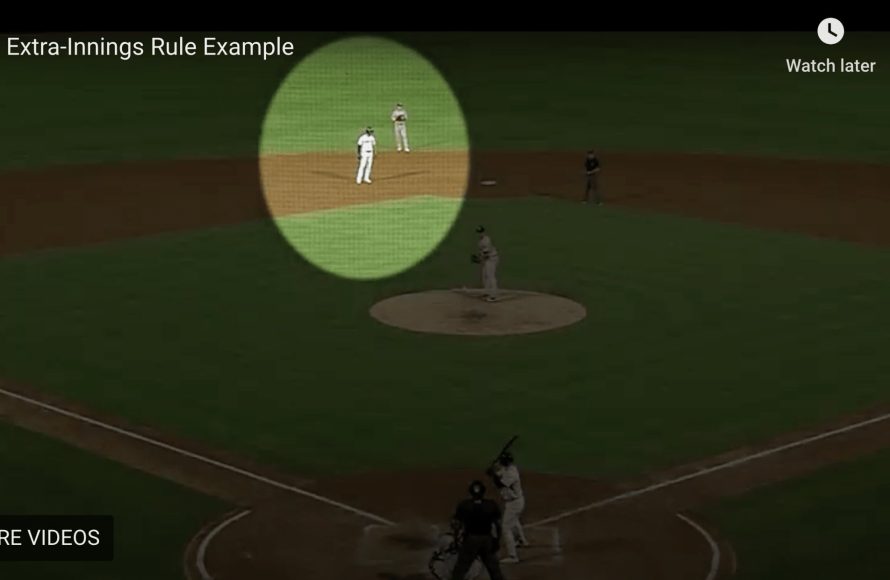
- The “Ghost Runner”: This rule variation puts a runner on second base at the start of each extra inning. This makes it easier for teams to score, and usually ends games much faster.
- International Tiebreaker: This is another way that allows for faster-paced games. This rule also puts a runner on second base at the start of the inning.
These recent rule changes have been made to shorten games and make them more enjoyable, but it’s important to note that not all professional leagues use these rule changes. The rules for regular season games, and playoff games may also be different.
How Game Length Varies in Different Situations
Even though nine innings is standard for professional baseball, the length of a game isn’t always the same amount of time. Weather can play a big role in how long a game lasts. Rain delays often happen, which can pause the game for some time, and it will continue when the weather improves. Other things can also affect game length, like pitching changes, player injuries, and timeouts. Games can be short and sweet, or long and drawn out depending on what happens during the game. A typical game can last around 2 1/2 hours, but some games can go for 3 hours or more.
Factors Affecting Game Duration
Many factors influence how long a baseball game will be. Here are some of the more common factors:
- Pitching Changes: When a pitcher gets tired or is not performing well, the manager will often decide to replace the pitcher with another one. This can take time as the new pitcher needs to come out to the mound.
- Injuries: Player injuries may also cause a pause in the game as trainers assist the player. If the player is not able to continue, a new player needs to be chosen.
- Timeouts: Sometimes, a player or coach will call a timeout to discuss strategy or give a break to their players.
- Walks and Hits: If the game has a lot of hits, the game length may take longer. When a batter is walked or gets on base by a hit, it takes time for them to get to their base, which can lengthen the game.
The Role of Innings in Baseball Strategy
The structure of nine innings greatly influences how baseball teams plan their strategy. Managers carefully strategize for each game to try and get a victory. A team might play more aggressively in the early innings to try and take the lead. They might also switch up pitchers in the later innings, to make sure they prevent the other team from scoring runs. The nine-inning format allows for a great variety of different strategies.
Variations in Innings Across Different Baseball Leagues
While nine innings is the standard for professional baseball games in North America, other leagues may have different formats. Leagues such as those played in youth baseball and softball often have fewer innings, this allows for games to finish in a shorter amount of time. Some minor league baseball games may also have variations in the game length. Some of these variations include:
- Youth Baseball and Softball: Youth leagues often have shorter games with 6 or 7 innings. This helps make sure younger kids don’t get too tired and can enjoy the game more.
- Doubleheaders: Sometimes, professional teams will play two games back-to-back. In these scenarios, each game is usually seven innings long, rather than nine. These doubleheader games give an opportunity to teams to make up for any games that were postponed because of weather.
So, while nine innings is the standard for professional leagues like the MLB, it’s important to know that baseball leagues have different formats based on the game type and the players. Understanding these different variations helps fans to fully enjoy and understand the sport.
The Historical Evolution of the Nine-Inning Game
The nine-inning format didn’t just appear out of nowhere. It evolved over time as the game of baseball developed. In the early days, baseball games were much longer and the number of innings was not as consistent. As the sport became more formalized, organizers established the nine-inning game format, which made it more structured and consistent. This fixed number of innings helped make baseball easier for fans to follow, and also made the games more fun to watch.
Early Baseball Variations
In the early days of baseball, the game didn’t have a fixed number of innings. Games would sometimes last a very long time, and it was difficult for fans to follow. As different organizations and teams grew, they started to adopt the nine-inning game, which eventually became the standard in baseball leagues. The consistency of this structure helped the sport become more popular and easier to understand.
The Enduring Appeal of the Nine-Inning Format
The nine-inning format has stood the test of time for good reasons. It provides a framework that allows the game to have plenty of twists and turns. This structure makes it a great and fair test of the skill and abilities of both teams. It creates an enjoyable and exciting experience for fans. The nine innings offer enough time for teams to develop their strategies, overcome difficulties, and ultimately compete for the win. This is a major reason why it has endured so long in baseball history.
The nine-inning game is much more than just a set number of innings. It is a basic part of baseball. This nine inning format creates a structure for the game and it also allows for complex strategies. It can also be fun to follow the game as it develops, and this makes the game exciting and creates much more enjoyment for fans. It is a major part of what makes baseball so unique and has made it a popular sport for many decades.
How Many Innings Are in a Professional Baseball Game? – The Baseball Xpert
Final Thoughts
A standard professional baseball game includes nine innings. Both teams get a chance to bat in each inning, attempting to score runs. The game continues until all nine innings are complete, unless a team leads at the bottom of the ninth.
The team with more runs at the end of the specified innings wins the game. Therefore, understanding how many innings are in a professional baseball game is essential for following the sport. The nine-inning format provides the structure for every regular MLB game.

