
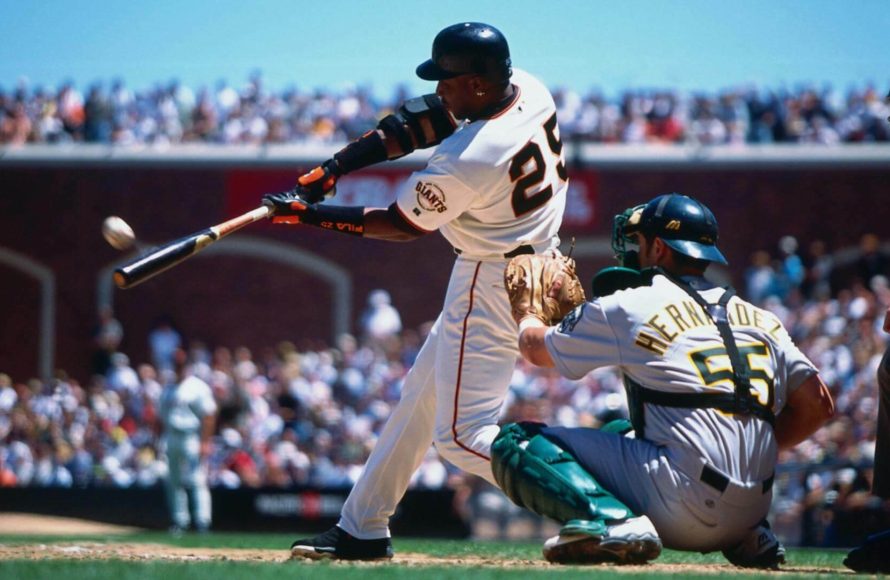
A standard baseball game has 9 innings.
Ever wondered about the duration of a baseball match? The game unfolds in segments, but how many innings in a ball game constitute a complete match?
It’s a question many new fans and even some seasoned spectators ask. Understanding this fundamental aspect helps you grasp the flow and structure of the game. Knowing that nine innings make up a full game is vital.

How Many Innings in a Ball Game?
Okay, let’s talk about baseball! When you watch a game, you probably see players running around, hitting balls, and making awesome catches. But did you ever stop to wonder how long a game actually is? Well, a big part of that is about something called “innings.” So, how many innings are in a regular baseball game? The answer is 9 innings. Let’s dive deeper into what that really means and why it’s so important in baseball.
Understanding the Basics of an Inning
Think of an inning like a mini-game within the bigger game. Each inning is split into two halves: the top and the bottom. It’s like a turn for each team to bat and to play defense. In baseball, each team gets a chance to bat in every inning. The team that is the visitor or is considered the “away” team bats first in each inning and that’s known as the “top” of the inning. Once they’ve had their turn, the “home” team bats, which is called the “bottom” of the inning.
The Top of the Inning
The “top” of the inning is when the visiting team comes up to bat. Their goal is to get as many runners on base as possible, and score runs by sending these runners home. The other team, the home team, is out in the field, trying to get the visiting team out and keep them from scoring any runs. The top of the inning ends when the visiting team records three outs. There are many ways a batter or runner can get out. Common outs are like:
- Striking out (when a batter swings and misses the ball three times, or doesn’t swing at good pitches)
- Getting caught out (when the batter hits the ball and it’s caught before it touches the ground)
- Getting tagged out (when a fielder touches a runner with the ball while the runner is not standing on base).
Once three outs are made, the teams switch places. The team that was batting now takes the field, and the team that was playing defense gets to bat.
The Bottom of the Inning
After the top of the inning ends, it’s time for the bottom of the inning! Now, the home team gets a chance to bat. Their goal is the same as the visiting team: to get runners on base and score runs. The team that was batting in the top of the inning is now in the field, trying to get the home team out. Just like in the top of the inning, the bottom ends when the batting team gets three outs. And, once again, those outs happen the same way as in the top of the inning such as striking out, catching a fly ball or tagging a runner.
Why Nine Innings?
You might be asking, “Why nine innings? Why not ten or eight?” Well, that’s a great question! The number nine is just a baseball tradition. It goes all the way back to the early days of the game. There is no big reason for the choice of nine innings, it’s just how the game has been played since it was developed into what we know today. Over time, this rule of playing nine innings became standard for professional and other high-level baseball leagues. It gives each team a good amount of time to score runs and try to win.
The Fairness of Equal Turns
Having nine innings means that each team gets the chance to bat an equal number of times. It makes the game fair and gives both teams the chance to score runs. One team doesn’t get to bat more or less than the other team. Each team has an equal opportunity to make a comeback, and that makes the game more exciting to watch and fun to play!
The Pace of the Game
Nine innings also help keep a good pace to the game. It’s not too short that the game ends too quickly, but it’s not too long that people lose interest either. Baseball is a game of strategy and patience, and nine innings is a good amount of time to see how the strategy of both teams will play out. It’s usually a good length of time to hold fans’ attention without making the game too long.
When Games Don’t Go the Full Nine Innings
While most baseball games go the full nine innings, sometimes things happen that mean a game might be shorter or longer. Here are a few situations:
Shortened Games Due to Weather
Rain, snow, or even super strong winds can sometimes stop a baseball game. If the weather gets too bad, the game might need to be called off, and it might not go all nine innings. These games are called “shortened games.” If at least five innings have been played and the home team is winning the game or 5 and a half innings have been played with a tie or visiting team lead then the game is official and won’t need to be made up. If the required amount of innings has not been met then the game may need to be made up, or be continued another day.
Games That End Early Because of a Big Lead
Sometimes the score of a game can get so one-sided that the trailing team cannot mathematically catch up. In youth leagues or amateur games, there are usually run rules or mercy rules. These rules let a game end early if one team has a huge lead of usually 10 runs or more after a certain number of innings. This keeps the game from lasting too long and is also not fun for the trailing team when they have no chance of winning. These games also do not have to go the full nine innings.
Extra Innings
What happens when the game is tied after nine innings? That’s when we get into extra innings. If the score is tied after the top of the ninth inning is completed, the game continues into the 10th inning and as many innings as needed until one team is winning after they complete their turn at bat, or until the home team takes a lead in the bottom of an inning. There is no limit to how many innings there can be in a baseball game. Some games will go 10, 11, 12 or even more innings! These extra innings can be super exciting and make the game unpredictable, because either team can win any time!
How Extra Innings Work
Extra innings follow the same basic rules as regular innings: The visiting team bats at the top, and the home team bats at the bottom. Each team gets three outs to score as many runs as they can. The game will continue until one team scores more runs than the other at the end of an inning.
In some leagues, like some professional leagues, there are special rules for extra innings, such as starting with a runner already on base. These rules are used to try and speed up the game and prevent it from lasting too long. But in most cases, extra innings will just continue until one team wins.
Innings in Different Levels of Baseball
While nine innings are the standard for many baseball games, it’s worth mentioning that the number of innings can be different for younger players.
Youth Baseball Innings
In youth baseball games for kids, it is very common to play fewer than nine innings. This is done for a couple of reasons. First, it’s done to keep the game time shorter because young players have shorter attention spans and less energy for a long game. Also, fewer innings help make the game less exhausting and more age-appropriate. Most youth leagues play six or seven innings instead of nine, but each league has its own set of rules.
Shorter games for youth baseball help to keep it fun and enjoyable for younger kids who are just starting to play baseball. It also gets them used to the flow of the game and introduces them to the rules, strategy and pacing of the game.
Other Levels
Different leagues might also have different inning rules. High school baseball games usually play seven innings, while college baseball uses the standard nine innings. It all depends on the rules set by each particular league.
A Quick Review: Innings in a Baseball Game
Let’s quickly review everything we’ve covered:
- A regular baseball game has 9 innings.
- Each inning is split into two parts: the top (when the visiting team bats) and the bottom (when the home team bats).
- Each team gets three outs during their turn at bat.
- If the game is tied after nine innings, the game goes into extra innings.
- Youth baseball games often have fewer than nine innings.
The Importance of Innings
Innings are not just a way to measure the length of a baseball game, they are the structure of the game itself. The flow of the game from inning to inning, the changes in momentum as a result of that, how teams perform at different points in the game, all contribute to the excitement and fun of playing and watching baseball.
Understanding the flow and structure of innings can make the game more interesting, it can help you understand why players or teams do what they do and what the consequences are as a result. Innings give the game a start, middle, and end, and they give teams opportunities to score runs, make great plays, and work their way to a victory!
So, the next time you watch or play a baseball game, you will have a much better understanding of what innings are, and how they contribute to the game that we love.
How Baseball Innings Work
Final Thoughts
The standard baseball game features nine innings. Both teams alternate batting and fielding each inning. After the ninth inning, if the score is tied, they play extra innings until one team leads. This helps determine a winner.
So, how many innings in a ball game is typically nine, but extra innings are possible. This system provides the structure for the game and its exciting finish.

