
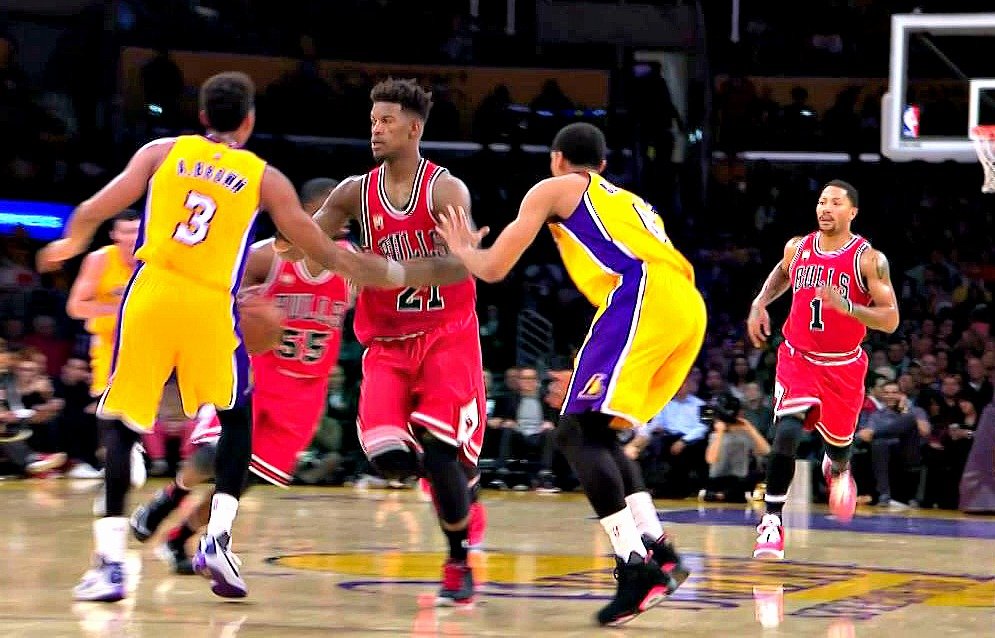
NBA players typically run between 2.5 to 3 miles per game.
Ever wondered just how much ground NBA players cover during those intense 48 minutes? It’s a question that often pops up: how many miles do NBA players run in a game? These athletes showcase incredible stamina, but the exact distance might surprise you. Players constantly sprint, change direction, and maneuver around the court. This article will briefly delve into this fascinating aspect of basketball.

How Many Miles Do NBA Players Run in a Game?
Ever wondered just how much ground NBA players cover during a game? It’s not just about the amazing dunks and three-pointers you see. These athletes are constantly moving, running back and forth on the court, playing both offense and defense. Let’s dive into the world of NBA player movement and see how many miles they actually log during those intense 48 minutes.
The Average Distance Covered
While it’s tricky to pinpoint an exact number that applies to every player, we can talk about averages. Generally, an NBA player runs approximately 2.5 to 3 miles in a typical NBA game. Think about that for a second – that’s more than most of us walk during our entire day! But, it’s important to know this number isn’t set in stone. Many things can influence just how far a player travels on the court.
Factors Affecting Distance
A lot of variables impact how many miles an NBA player runs during a game. It is not just a random number. Let’s explore some of them:
Playing Position
The position a player plays has a big impact on how much they run. Think about it:
- Point Guards: These players are often the main ball handlers, running all over the court to orchestrate the offense. They are likely among the players who run the most miles in a game.
- Shooting Guards and Small Forwards: These players also have to do a fair bit of running, often cutting and moving without the ball to get open for shots or drives to the basket.
- Power Forwards and Centers: While these players might not cover as much court horizontally as guards, they do a lot of moving within the paint, boxing out for rebounds, and running up and down the court during fast breaks. Their distance may be less, but the intensity of their movement can be quite high.
Playing Time
This one seems obvious, but it’s important. The more minutes a player is on the court, the more ground they’ll cover. A player who logs 40 minutes will likely run further than a player who only plays 20 minutes. Players who get more playing time, because they are important to their team’s strategy, will obviously rack up more distance over a match. This means players who are starters tend to run a lot more than players who are on the bench.
Game Pace and Style
The style of play and the pace of a game also influence the distance covered by NBA players. Here’s how:
- Fast-Paced Offenses: Teams that like to push the ball quickly in transition often mean more running for all players on the court.
- Half-Court Sets: Teams that prefer slower, more deliberate offense with a lot of half-court set plays, might have their players run less.
- Defensive Intensity: Players on teams with a highly active defense, rotating frequently and contesting shots, tend to run more than players in more static defensive systems.
Individual Player’s Style and Effort
Not every player runs the same way. Some players are known for their constant movement, while others are more strategic with their energy. Players who are known for their constant running, and playing with high effort throughout the whole match, will cover a bigger distance than the players with strategic plays.
The Data Behind the Movement
Sports technology has evolved a lot over the years, which allows to precisely measure how much players are running during a match. NBA teams now use wearable sensors that track movement during the game, using GPS and other tracking technologies. It gives teams access to extremely detailed information about every player, which helps them create strategies for the matches, and train the players accordingly. This tracking provides data like:
- Distance Covered: How many miles a player actually ran during the game.
- Speed: How fast a player moves on the court.
- Acceleration and Deceleration: How quickly a player can change speed and direction.
- Heat Maps: Visual representation of where on the court the player spends most of their time.
All of this data is very helpful for coaches to plan their game strategy, and helps them to see which players are performing well and which are not. It helps the coaches, to analyze player performance, and it also helps them to train the players according to the requirements of the game.
Comparing to Other Sports
Let’s see how NBA players compare to athletes in other sports:
Soccer Players
Soccer players are well known for their running. They can run up to 7 miles or more during a match. The field of a soccer pitch is much bigger than that of an NBA court, which results in soccer players running a lot more than NBA players.
American Football Players
American football players, with the exception of running backs, typically cover much less distance than basketball players. A typical American football player covers a mile to a mile and a half per match. The football games are shorter than NBA games, and they consist of short bursts of speed rather than constant running, which results in the lower distance covered by football players.
Marathon Runners
Marathon runners are obviously the kings of long distances. They have the most running distances between all the sports. Marathon runners run a distance of 26.2 miles. They have to keep up the pace for a long amount of time, which requires the utmost focus and dedication, as well as a lot of training.
Other Running Sports
Track athletes who specialize in the 1500m or 5000m races are very specialized, and will not run this amount of distances on an everyday basis. These athletes run shorter distances in competition, but their training involves running a lot more.
| Sport | Typical Distance Covered in a Game/Race |
|---|---|
| NBA Basketball | 2.5-3 miles |
| Soccer | 7+ miles |
| American Football | 1-1.5 miles |
| Marathon Running | 26.2 miles |
| Track Running (1500m, 5000m) | Varies, but shorter distances covered in races |
The Impact on Players
All this running has a huge impact on players’ bodies, and it’s a major factor in training and conditioning. NBA teams have fitness coaches who plan the training and fitness schedules of players, to ensure they are fit for the matches. Here’s how it impacts them:
Physical Demands
Running so much during a game requires a very high level of physical fitness and stamina, because the intensity is very high, and the players are constantly moving up and down the court. Players must be in really great shape to be able to perform at their best. All the training that players undergo, prepares them for the rigors of professional basketball.
Training Regimens
NBA teams don’t want their players to get tired during the matches, so they create training routines to improve the stamina of the players. The players have to go through different training techniques, and exercise programs, to make sure they don’t get exhausted easily. They use the information that is gathered by the sensors to plan out the training programs.
Injury Prevention
All that running puts a lot of pressure on a player’s knees, ankles, and feet. NBA teams have to plan workout routines, which allow the players to build their body and prevent injuries. They have to perform exercises, which build the strength of the joints, and help in flexibility. This helps them in the prevention of injuries, which keeps them on the court for a longer period.
Why Knowing This Matters
Understanding how much NBA players run in a game is really important. Here is why it matters:
- Appreciating the Athletes: It gives us an idea of just how physically demanding NBA basketball is, and how much dedication and effort players have to put in.
- Training Insights: It helps coaches, in designing effective workouts and game strategies.
- Fan Perspective: It makes watching the game more engaging. When you know how much a player is running, it gives you a new appreciation for their skill and athleticism.
Beyond the Numbers
While the numbers tell a story, there’s more to the movement in basketball than just miles run. The intensity, speed, and agility are as important as total distance. Quick sprints, sudden changes of direction, and explosive jumps make the game so exciting, and those cannot be quantified by just measuring the distance ran. It requires athletes to have an extreme level of physical fitness, and this makes the sport one of the most challenging.
In short, when we look at an NBA game, we have to remember that the players put in a great amount of effort in the match, and a large amount of physical exertion. The next time you watch a game, try to picture how much ground those players are covering, and you will appreciate their dedication and hard work even more.
Don’t ever touch a NBA player 😳 (via @mysecretaccount2.o/TikTok)
Final Thoughts
NBA players cover considerable ground during games. The average distance ranges from 2.5 to 3 miles per game, though it varies by position and playing time. Guards typically log more miles than centers due to their constant motion.
Factors like game pace and specific team strategies also affect player mileage. So, how many miles do NBA players run in a game depends on multiple variables, not just player’s role.

