
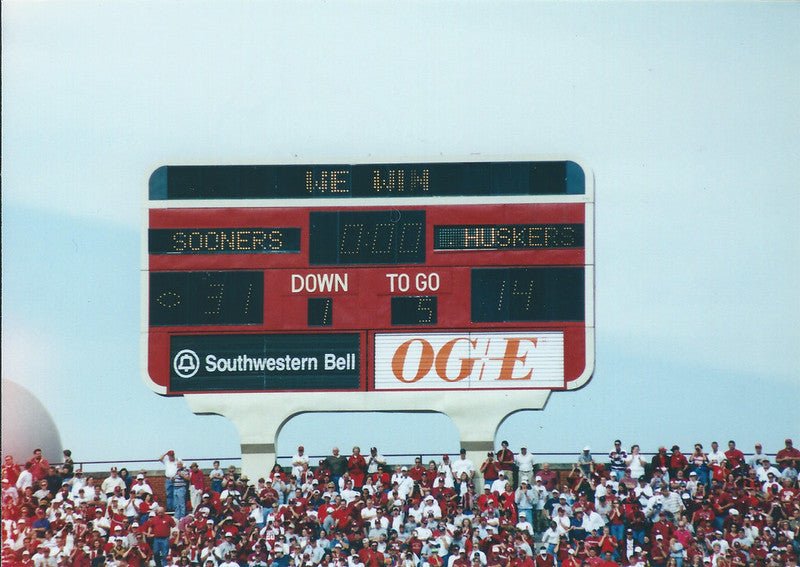
The standard length of a football game is 60 minutes.
Ever found yourself glued to the screen, wondering exactly how long a game lasts? It’s a question that often pops up, especially if you are new to the sport or just trying to plan your evening. Figuring out how many minutes are in a football game can be surprisingly useful.
Knowing the duration helps with scheduling. Also understanding game structure makes viewing more enjoyable. It prevents confusion about when the game might actually end.

How Many Minutes are in a Football Game?
Okay, let’s talk about football! You see those big guys running around, throwing and catching the ball, right? It looks super exciting, but have you ever wondered exactly how long they’re playing? It’s not just one long sprint! There are actually specific rules about how much time is spent playing during a football game. So, let’s break down all the timing bits and see what makes up a full football match. We’ll look at the official clock time, and what really happens on the field, all explained in a way that’s easy to understand. We’ll be discussing both professional football, like the NFL, and college football, which have slight time differences.
The Basics: The Four Quarters
Every football game, whether it’s your local high school team or the pros, is divided into four main chunks of playing time called “quarters.” Think of it like a movie with four parts. Each quarter has a set amount of minutes. This makes it easy to keep track of the progress of the game and allows for breaks for the players.
How Long is a Quarter?
Now, this is where things get interesting! The length of a quarter changes a bit depending on what level of football you’re watching. Here’s the deal:
- Professional Football (NFL): Each quarter is 15 minutes long. So, there are four 15-minute periods in the game.
- College Football (NCAA): Each quarter is also 15 minutes long. Yup, just like the NFL!
- High School Football: Here we have some change, as each quarter is typically 12 minutes long.
- Other Leagues: Some smaller or international leagues may have different quarter lengths, but these are the most common.
You can see that the length of a game differs based on level of play. We can see that high school games can be a little bit shorter than professional or college games. It’s essential to know this while watching your favorite team.
Total Game Time: The Official Clock
Now, if you just did the math, you might say, “Okay, a football game is 60 minutes long then!” (15 minutes/quarter x 4 quarters). That would be correct in terms of total quarter length. However, this does not include all of the other time elements, and that’s where the fun begins. It’s not a running clock for those 60 minutes. The game clock stops frequently for various things, which add time. This is why a football game takes much longer than an hour to complete.
Understanding Time Stoppages
The game clock stops for many reasons throughout a football game. Think of it like a pause button on a movie. Here are the main reasons the clock will stop during a game. These stoppages are vital and really extend the overall length of time it takes to watch a full game.
- Incomplete Passes: When a player throws the ball and it doesn’t get caught, the clock stops.
- Out of Bounds: If a player with the ball runs out of bounds, the clock stops.
- Penalties: When a team breaks a rule, the clock stops to allow the officials to deal with the situation.
- Change of Possession: After a turnover (like an interception or a fumble), the clock will stop.
- Injuries: If a player gets hurt, the game clock stops so they can get help.
- Timeouts: Each team gets a certain number of timeouts they can use to stop the clock and regroup.
- Scoring Plays: When a touchdown, field goal, or safety is made the clock stops, allowing for the game to be reset.
- End of Quarter: At the end of each quarter, the game clock stops, and a brief interval occurs between the quarters.
All of these stoppages add a significant amount of time to the length of a football game. It can sometimes seem like the clock is always stopping and starting and it’s not a continuous run, this constant stoppage is crucial for the way football is played.
The Halftime Break
Right in the middle of the game, between the second and third quarters, there’s a break called halftime. This break is longer than the breaks between the other quarters. In the NFL it’s usually about 12-15 minutes long, but the college game tends to have longer halftime, that can reach up to 20 minutes. This is a good time for players to rest and plan for the second half of the game, but also a good time for fans to get a snack or chat with friends and family.
Real Time vs. Clock Time
So, what’s the actual time it takes to watch a football game? Because of all those clock stoppages, timeouts, and halftime, the real time it takes to watch a full game is a lot longer than the official game clock time. It is important to understand this difference, so you can plan your viewing experience accordingly. This is often overlooked by new fans of the game.
Average Length of an NFL Game
Even though the clock says 60 minutes of game time, an NFL game usually takes around three hours to watch from start to finish. Yes, three hours! All those stops for incomplete passes, penalties, and timeouts really add up. Sometimes a game can even go longer if there are a lot of close calls or injuries.
Average Length of a College Game
College games tend to run longer than NFL games. College football games usually take around three to three and a half hours to watch. One reason for the extra time is that college games have some different clock rules, so games can run longer than NFL games.
Why the Difference?
You might be thinking, “Why does college football take longer?”. Here are a few of the main reasons:
- Clock Management Differences: College football has different rules on stopping the clock after a first down. Often the clock will be stopped after the first down is made in the college game. In NFL games, the clock generally continues to run after the first down. This will lead to longer games in college.
- More Scoring: Some argue that college games tend to have more scoring plays which stop the clock for each score.
- More Timeouts: The number of timeouts can vary based on the league and the game and that can lead to slight time differences.
Overtime: When Things Go Long
Sometimes, after the four quarters are over, the score is still tied. When this happens, the game goes into overtime. Overtime is an extra period of time to determine a winner, so this adds even more to the total length of a game.
NFL Overtime
In the NFL, the overtime rules have changed a few times. Now, if both teams get a chance to possess the ball, or if the first team to have the ball scores a touchdown, they win. This means that overtime can last a varying amount of time. It doesn’t have a set time limit, but usually it is one additional period.
College Overtime
College overtime is different. Each team gets a chance to score from the 25-yard line. If the game is still tied after one overtime round, teams will keep playing rounds until one team is ahead. This can often extend the length of the game significantly.
How The Clock Is Managed
The game clock isn’t just running on its own. There are people responsible for managing the clock and making sure it’s correct. There are dedicated people that will manage the clock and will stop and start the clock according to the game rules and official judgements made by the referees. This is important to keep the game fair and organized.
Official Timekeepers
These are the folks who make sure the game clock works correctly. They pay close attention to the refs and the plays to make sure they stop the clock when necessary. They work with the referees to keep everything organized and the game moving at the right pace. They use large timers, to ensure that they stay up to date.
Referees and the Clock
Referees also play a big part in managing the clock. They will signal to the timekeeper when the clock needs to stop or start again. Referees use hand signals to show the timekeeper what action has been taken so they know to appropriately manage the clock.
Why Time Matters
Time management in a football game is very important. The way a team uses the clock can be just as important as the plays they run. Coaches have to make decisions on when to try to score and when to try to run down the clock. Knowing how the clock works and how long is left in a game can make a big difference. The team that can manage time most effectively often wins the game, and this is something coaches will have to plan out. This is why it is vital to know the rules of the clock, so that you understand what they will be doing.
Strategic Use of Timeouts
Timeouts can be used to stop the clock and give the team more time to make a play, or strategize. They can also be used to give a player time to rest or to stop the clock if they need to change players or plays. Strategic use of timeouts can be vital in gaining an advantage.
The Two-Minute Warning
In the NFL, there is something called the “two-minute warning.” This is a mandatory timeout that happens with two minutes left in the second and fourth quarters. This warning is used to help teams manage the clock and give them a final chance to score. It can create some exciting final moments in the game!
How to Keep Track of Time
It might seem like a lot to remember, so here are some quick ways to keep up with how much time is left in a football game.
- Pay attention to the scoreboard: The scoreboard always shows the time left in the quarter.
- Listen to the commentators: The people talking about the game will often mention how much time is left.
- Look at your own clock: You can try and see how much time has passed in the game based on your watch or phone.
Beyond the Game Clock
While the actual game clock is important, there are other timings that are also relevant in the game. These times include things like the play clock, time to set up formations and time for reviewing replays. These all contribute to the final time.
The Play Clock
This is the time a team has to start a new play. When the time runs out, they have to face a penalty. This clock helps keep the game flowing and prevent teams from wasting time.
Replay Reviews
Sometimes, the refs need to look at a play again to make sure they made the right decision. This replay review can add some time to the game. They do this to ensure that every call is the correct call to maintain fairness in the game.
Between Plays
Between each play, there is a small amount of time for players to line up and get ready. These small bits of time add up over the length of the game. While it may only be a few seconds, when added up, this can be significant.
So, while the official clock might say 60 minutes (for NFL and college) or 48 minutes (for high school), the total experience of watching a football game is much longer than that. Understanding all the rules and timings can make watching football even more fun and rewarding.
How many minutes is a football game?
Final Thoughts
So, the final answer on how many minutes are in a football game? A standard game comprises four 15-minute quarters, totaling 60 minutes of play. That is the main game duration of actual play time.
However, the clock stops frequently for various reasons. These stoppages make the entire game last much longer than 60 minutes. So, while the answer for ‘how many minutes are in a football game’ is 60 minutes of actual play, expect the overall event to be much longer.

